
 English
 Russian
 French
 Spanish
 Portuguese
 Korean
 Japanese
 Thai
ThaiScalable Vacuum Homogenization: Unifying Lab Formulation and Production Performance
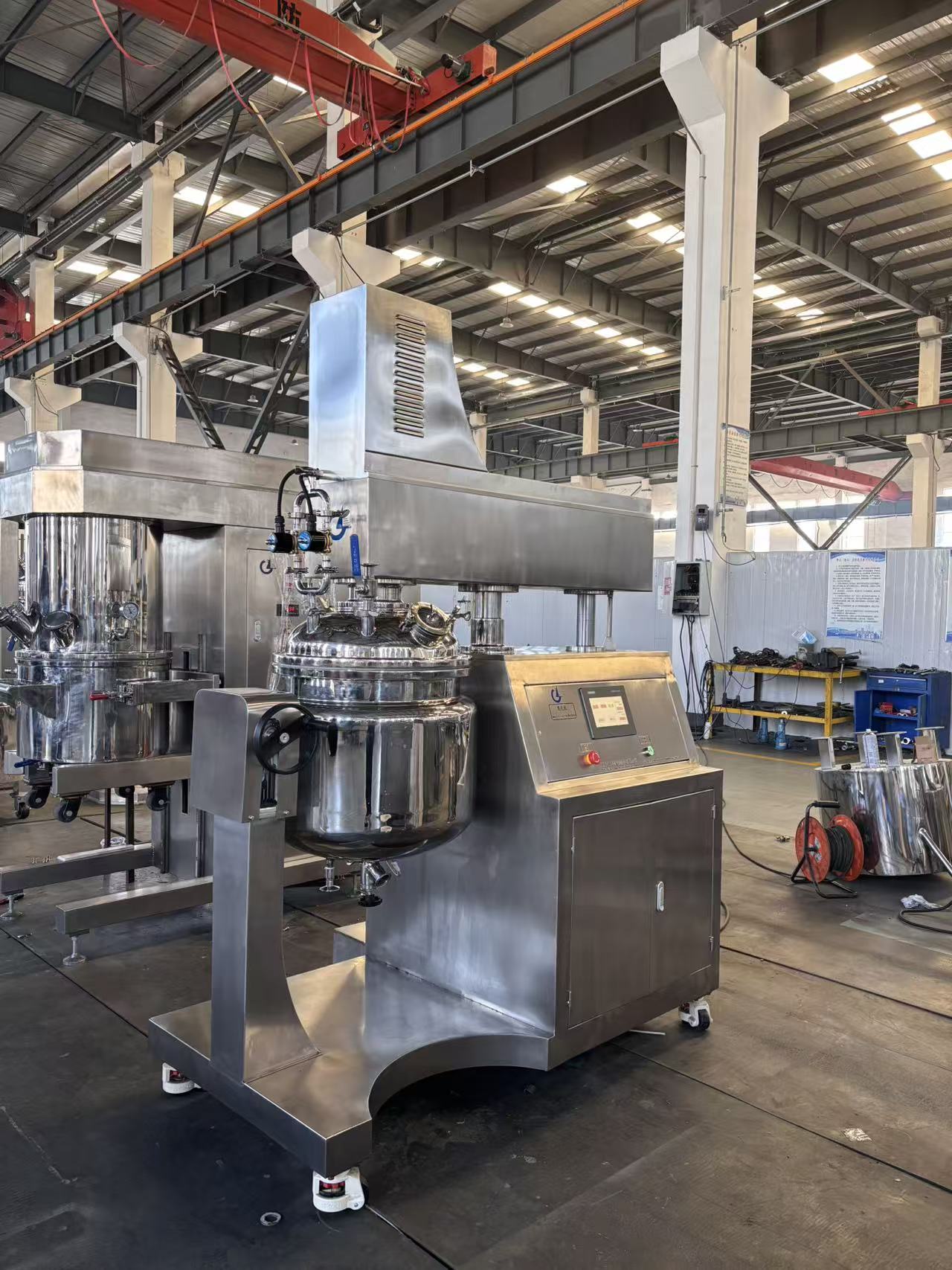
In modern industrial R&D and manufacturing, one of the most persistent pain points lies in bridging the gap between laboratory-scale formulation success and large-scale production stability. Many teams spend months optimizing product performance in small batches, only to face unexpected inconsistencies in texture, particle size distribution, and shelf life when scaling up. This is precisely where a well-designed vacuum homogenizer mixer becomes an indispensable tool for ensuring seamless transition from lab to full production.
The Core Challenge of Scale-Up
When researchers develop new formulations in the lab, they often operate under tightly controlled conditions: small volumes, precise temperature regulation, and carefully managed shear forces. However, traditional scaling methods frequently alter these critical parameters. Without consistent vacuum levels, homogenization speed, and mixing geometry across different batch sizes, even minor changes can lead to dramatic differences in final product quality. For industries ranging from pharmaceuticals and cosmetics to food and specialty chemicals, this inconsistency can result in wasted materials, delayed product launches, and non-compliance with regulatory standards.
A vacuum homogenizer mixer addresses this challenge by integrating three key functions in one system: high-shear emulsification, homogeneous mixing, and controlled degassing under negative pressure. Unlike simple stirrers or high-speed dispersers, it eliminates air entrapment during processing, prevents oxidation of sensitive ingredients, and ensures that every particle in the batch receives uniform mechanical treatment. This level of process control is the foundation for maintaining formulation performance regardless of batch size.
Design Principles for Scalable Vacuum Homogenizer Systems
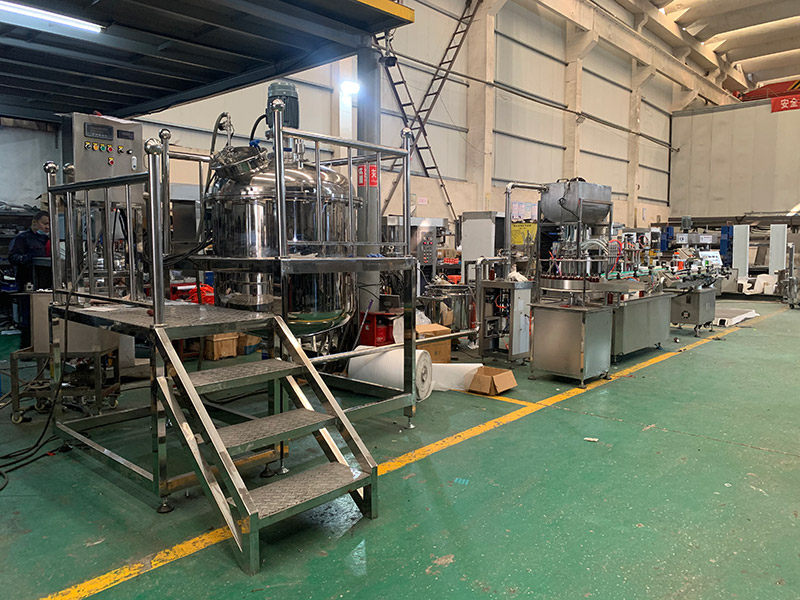
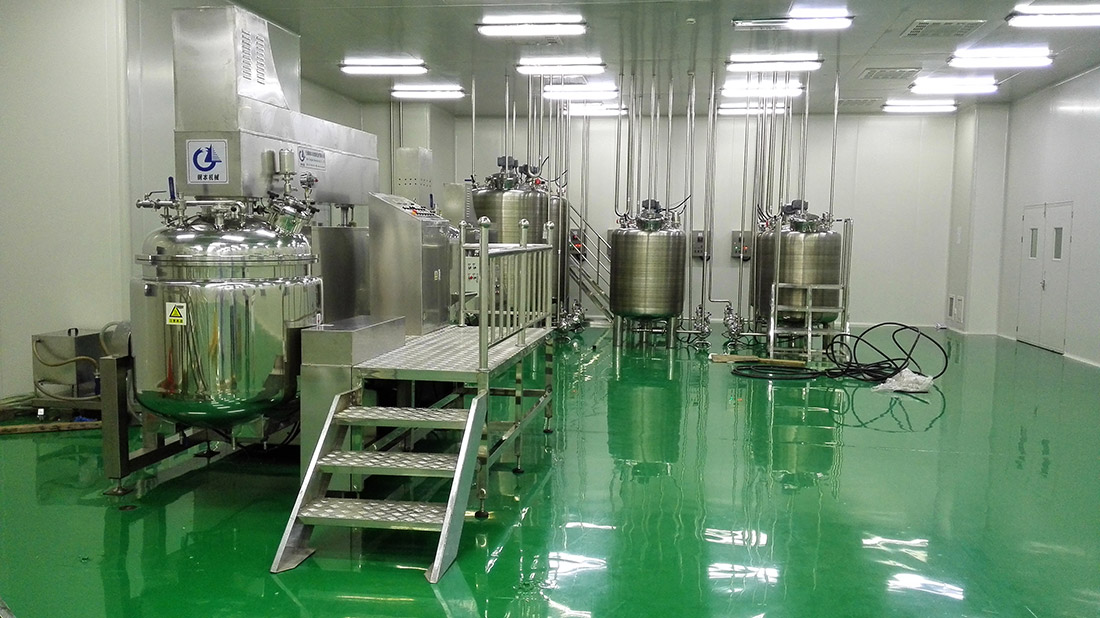
To achieve true lab-to-production consistency, scalable vacuum homogenizer mixer platforms are engineered with several shared design principles across all volume tiers. First, the geometric similarity of the homogenization head and mixing vessel is preserved from 1-liter lab units to 10,000-liter production systems. This means the tip speed, shear rate, and flow dynamics experienced by the material remain identical, rather than being distorted by disproportionate scaling of impeller sizes.
Second, process parameters are fully digitized and transferable. Modern systems allow users to save a complete recipe—including vacuum level, homogenization duration, temperature curve, and mixing speed sequence—on a lab-scale vacuum homogenizer mixer, then upload the exact same profile to a production-scale unit. The system automatically adjusts power output to maintain equivalent shear conditions, removing the guesswork that traditionally plagued scale-up trials.
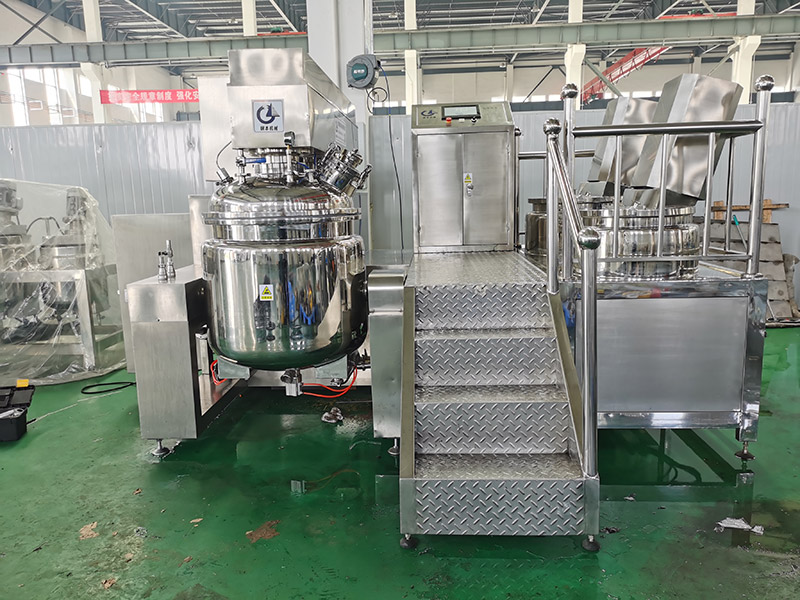
Third, modular design supports flexible expansion. Many scalable platforms allow teams to start with a compact lab unit for formulation work, then add intermediate pilot-scale units before moving to full production. Each stage retains the same core homogenization technology, so data collected at every step remains relevant and comparable. This modularity also reduces capital risk, as manufacturers do not need to commit to full-scale equipment until their formulations are fully validated.
Real-World Benefits Across Industries
In the pharmaceutical industry, a scalable vacuum homogenizer mixer ensures that topical creams, injectable emulsions, and lipid nanoparticle formulations maintain consistent particle size distribution from early lab trials to commercial batches. This directly supports regulatory compliance, as authorities require documented evidence that production methods replicate the conditions used in clinical trials.
For cosmetics and personal care products, the elimination of air bubbles under vacuum results in smoother textures, longer product shelf life, and more uniform appearance in every jar or tube. Brands can confidently launch new products knowing that the luxurious feel consumers experienced in sample batches will be preserved at full scale.
In food and beverage applications, vacuum homogenization prevents oxidation of sensitive nutrients, preserves natural flavors, and creates stable emulsions that do not separate over time. From plant-based milks to specialized sauces, scalable systems allow manufacturers to respond quickly to market demand without compromising on quality.
The Future of Consistent Manufacturing
As industries continue to demand faster product development cycles and higher quality standards, the role of the vacuum homogenizer mixer in scalable processing will only grow. Advances in real-time process monitoring, AI-driven parameter optimization, and seamless data integration with manufacturing execution systems are making lab-to-production consistency more achievable than ever before. By investing in homogenization platforms designed for scalability from the ground up, companies can turn formulation success in the lab into reliable, high-quality output at any production scale.
News
- Latest News
- Solutions
- FAQ
Recommend Products
-
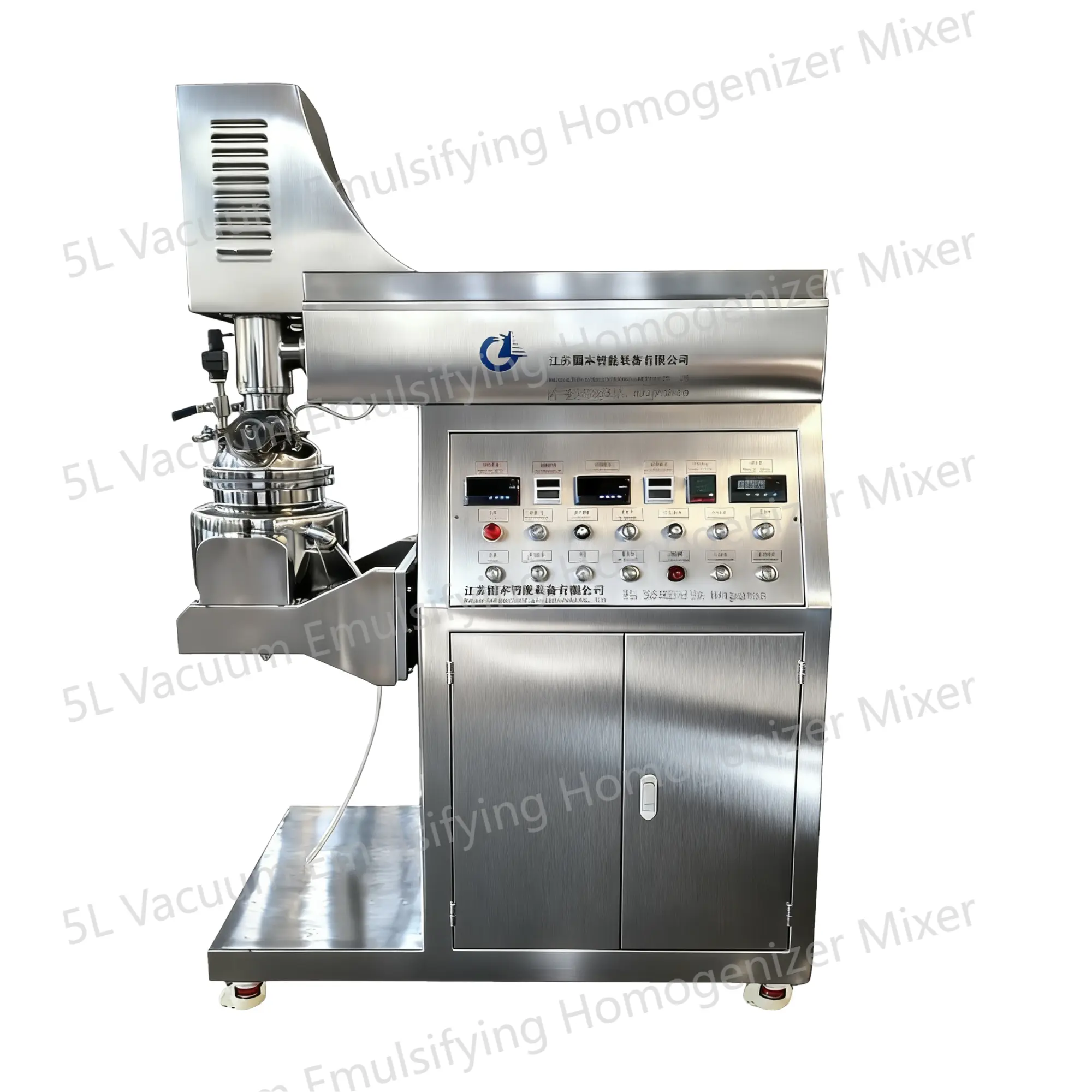 5L Vacuum Emulsifying Homogenizer Mixer
The 5L vacuum emulsifying mixer is a device designed for emulsifying and mixing various substances in a vacuum environment. This equipment is equipped with a mixing tank with a capacity of 5 liters and is widely applied in industries such as food, pharmaceuticals, cosmetics, and pesticides.
-
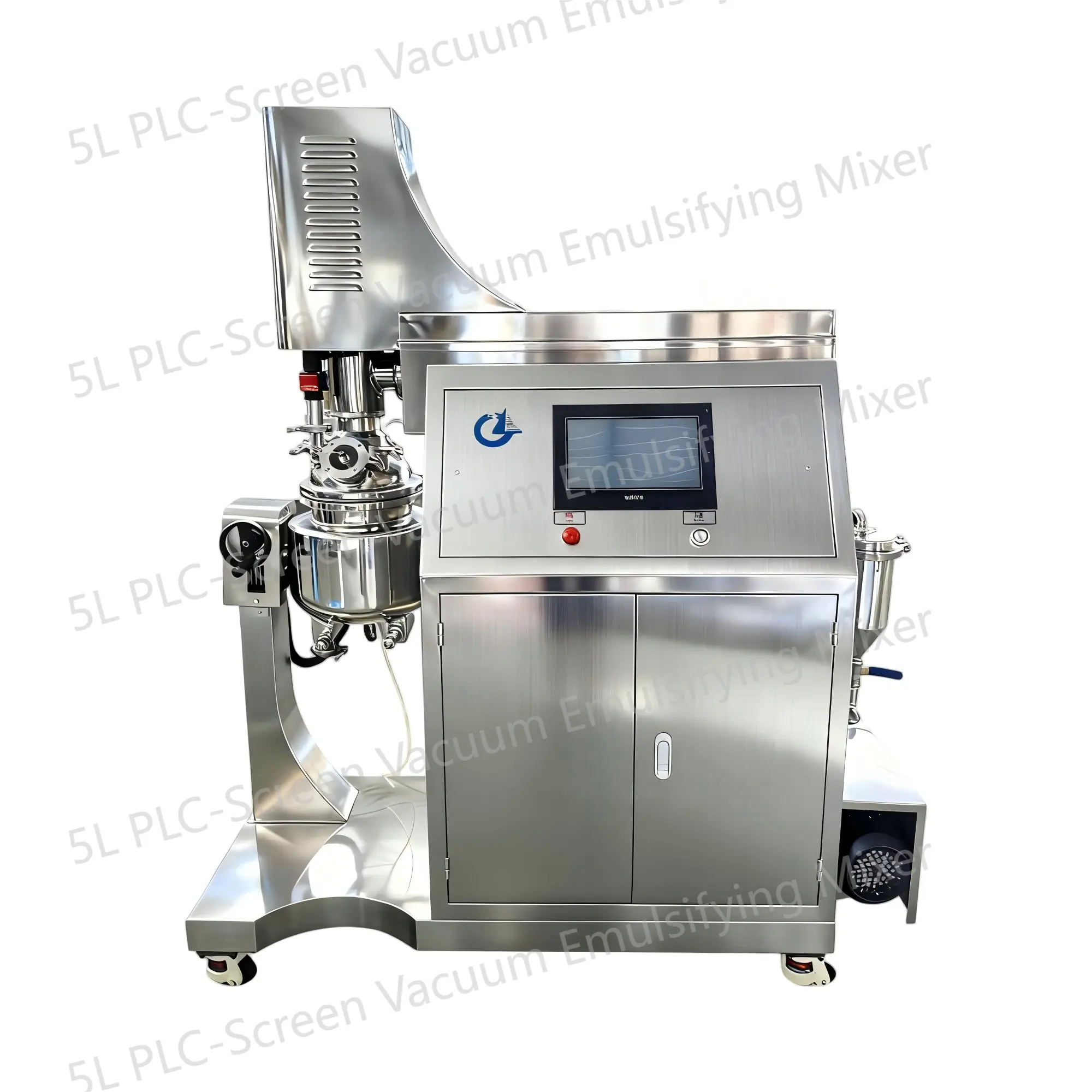 5L PLC-Screen Vacuum Emulsifying Mixer
The 5L PLC-Screen Vacuum Emulsifying Mixer is a device designed for emulsifying and mixing various substances in a vacuum environment. This equipment is equipped with a mixing tank with a capacity of 5 liters and is widely applied in industries such as food, pharmaceuticals, cosmetics, and pesticides.
-
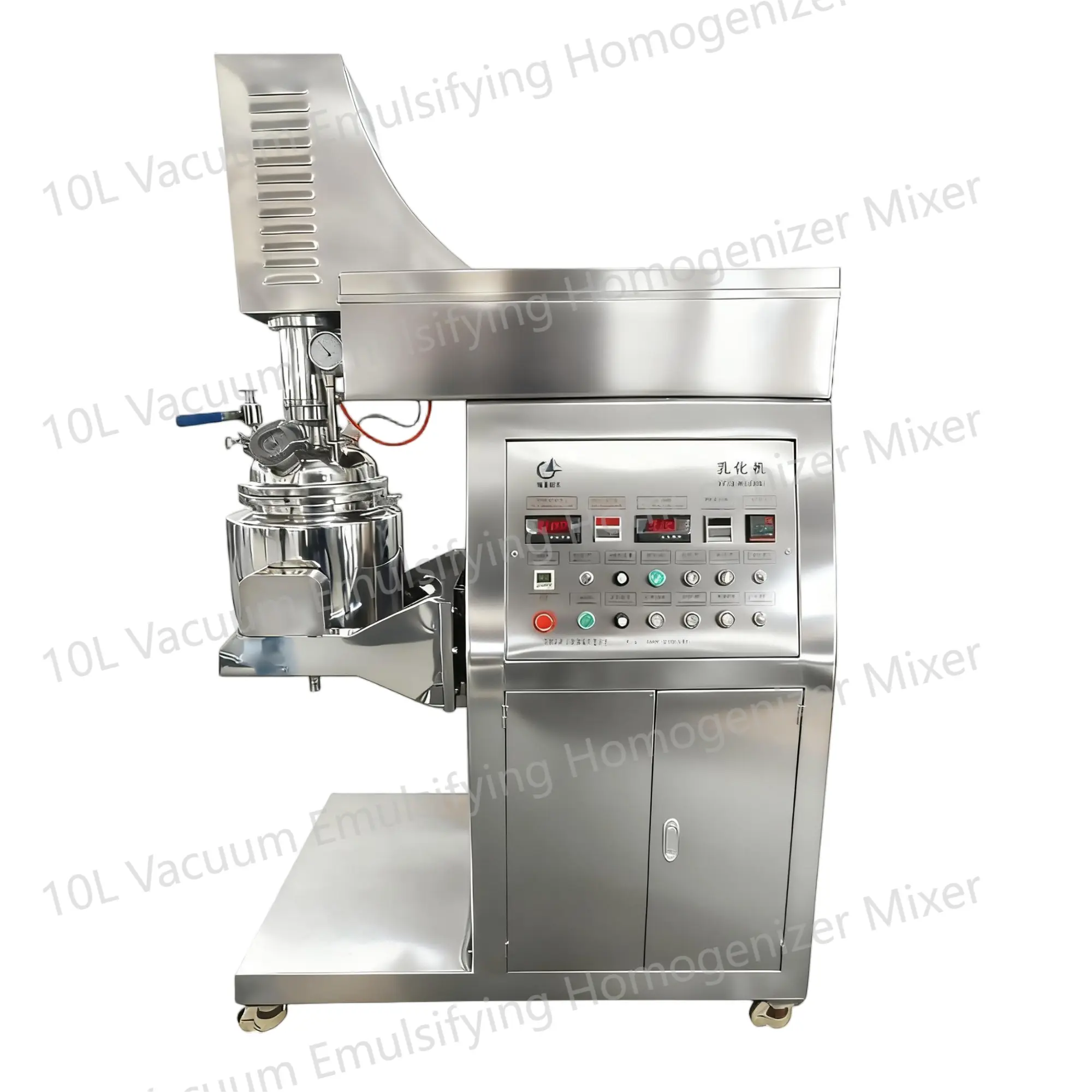 10L Vacuum Emulsifying Homogenizer Mixer
The 10L Vacuum Emulsifying Mixer is a device used for emulsifying and mixing various substances in a vacuum environment. It is commonly used in industries such as food, cosmetics, and pharmaceuticals.