
 English
 Russian
 French
 Spanish
 Portuguese
 Korean
 Japanese
 Thai
ThaiPrecision Under Pressure: How Vacuum Systems Enhance Homogenization Results
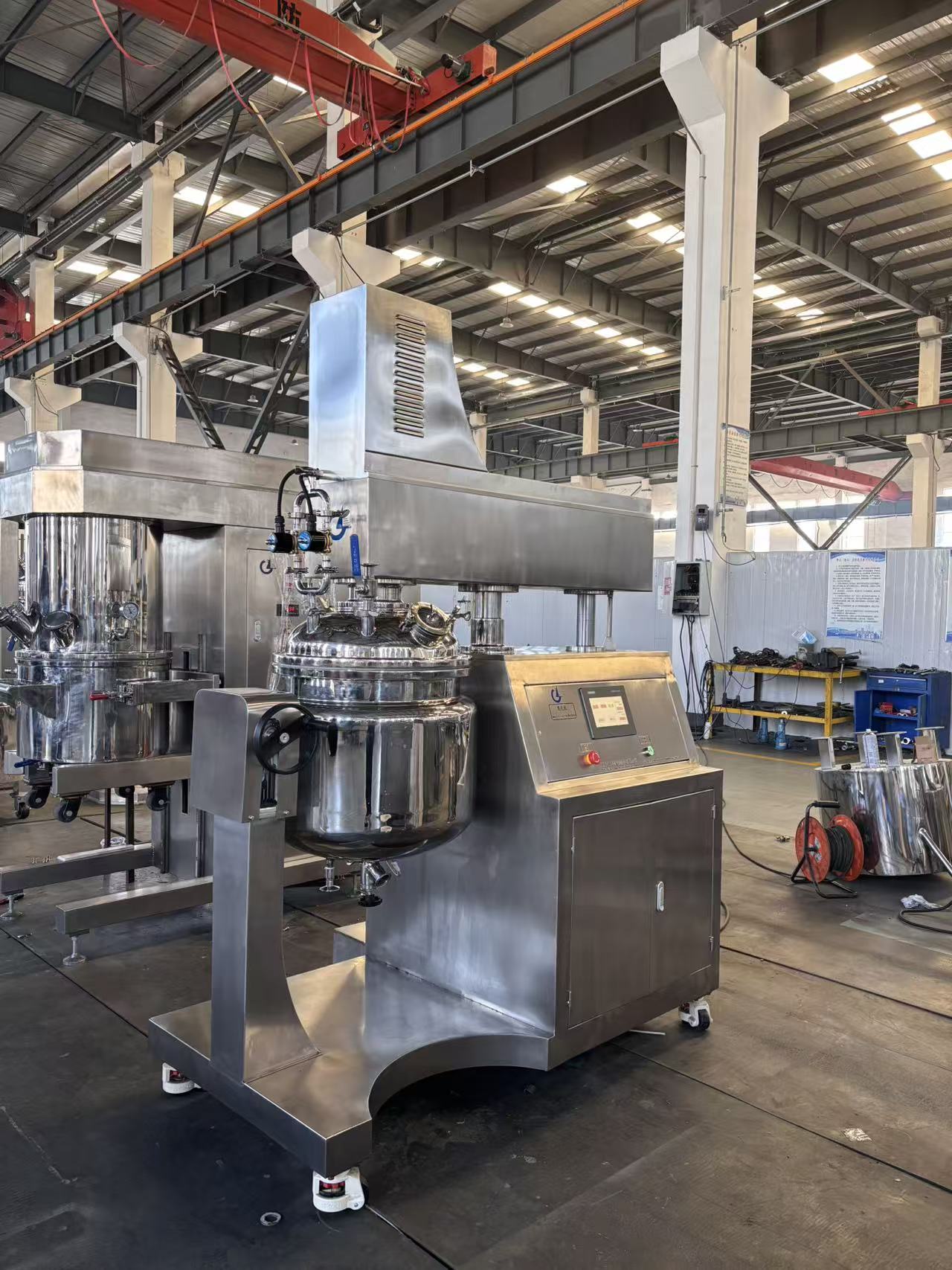
In high-precision manufacturing and formulation development, the difference between a qualified product and an outstanding one often hinges on the subtle control of pressure conditions during processing. While conventional mixing and homogenization equipment can achieve basic material blending, they frequently fall short when it comes to delivering the ultra-fine particle size distribution, zero air entrapment, and long-term stability demanded by modern industries. This is where a vacuum homogenizer mixer redefines the upper limit of homogenization performance, turning "good enough" results into consistently precise, reproducible outputs.
The Hidden Flaws of Atmospheric Homogenization
Most traditional homogenization processes operate under normal atmospheric pressure, a condition that introduces a series of easily overlooked quality risks. When high-shear rotors run at high speed, they inevitably draw external air into the material, forming tiny dispersed bubbles that are extremely difficult to eliminate in subsequent steps. These trapped air pockets not only create visible pores on the product surface and a loose, uneven internal texture but also act as catalysts for oxidation, accelerating the degradation of active ingredients and drastically shortening product shelf life. For formulations that require nanoscale particle dispersion, atmospheric pressure also creates a physical barrier: air bubbles trapped between particles prevent the homogenization head from applying uniform shear force, leading to inconsistent particle size data across different batches.
A professional vacuum homogenizer mixer completely eliminates these hidden interferences by integrating a fully sealed negative-pressure processing chamber. Before starting the high-shear homogenization cycle, the system first extracts all residual air from the vessel, creating a precisely controlled low-pressure environment. This seemingly simple adjustment fundamentally changes the material behavior during processing, laying the foundation for a series of performance improvements that are impossible to achieve under normal pressure.
Multi-Dimensional Performance Breakthroughs Under Vacuum
The first and most intuitive improvement brought by a vacuum homogenizer mixer is degassing optimization. Under continuous negative pressure, micro-bubbles generated during the mixing process expand rapidly, rise to the material surface and are extracted by the vacuum system before they can be wrapped into the internal structure. The final product after homogenization presents a dense, bubble-free texture, with no uneven color or rough surface caused by residual air. For high-end cosmetics, pharmaceutical ointments and optical coating materials, this level of smoothness is a core indicator that directly determines product quality.
Second, the vacuum environment significantly enhances the efficiency and uniformity of high-shear homogenization. Without the obstruction of air bubbles, the high-speed rotating homogenization head can make direct and full contact with every part of the material. The shear force, impact force and turbulent effect generated by the rotor-stator structure are not buffered or dispersed by air, acting directly on the material interface to achieve more refined emulsification and dispersion. Data from multiple formulation tests shows that under the same homogenization speed and duration, the particle size distribution of materials processed by a vacuum homogenizer mixer is 30% narrower than that of atmospheric equipment, and the D90 particle size can be stably controlled below 100 nanometers for specific formulations.
More importantly, the negative pressure environment effectively isolates oxygen, creating an inert processing condition for easily oxidized active ingredients. Many bioactive substances, unsaturated nutrients and special chemical raw materials will undergo irreversible denaturation or degradation once exposed to air during high-speed stirring. By maintaining a stable vacuum level throughout the entire homogenization cycle, the vacuum homogenizer mixer minimizes the contact probability between the material and oxygen, preserving the maximum activity of heat-sensitive and easily oxidized ingredients, and eliminating the need for additional antioxidant additives in many formulations.
Precision Pressure Control for Reproducible Results
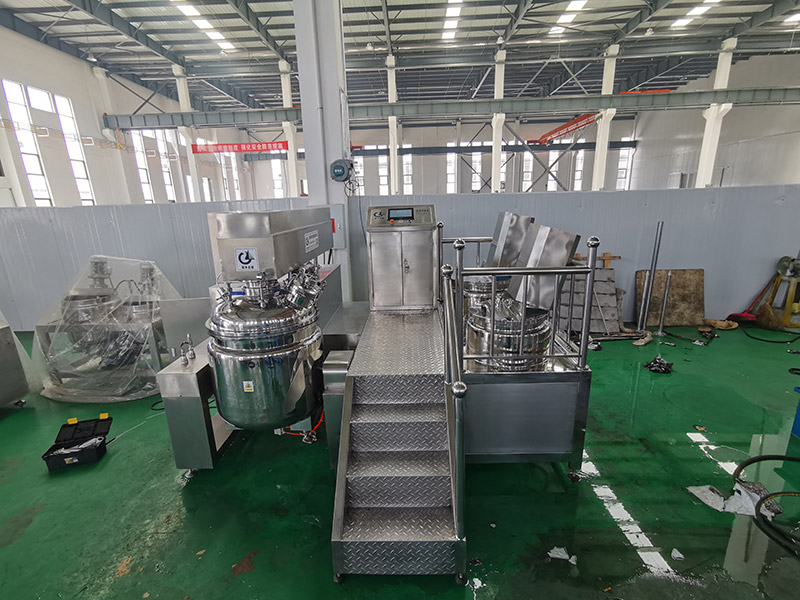
A high-performance vacuum homogenizer mixer does not just rely on a simple vacuum pump to provide negative pressure. Its core competitiveness lies in the full-range precision regulation of pressure parameters. Different formulations correspond to different optimal vacuum levels: high-viscosity paste materials require a gradual pressure reduction process to avoid material splashing, while low-viscosity emulsions can withstand a higher vacuum degree to achieve more thorough degassing. Modern systems allow users to set multi-stage pressure curves, automatically adjusting the vacuum value in real time according to the mixing speed, material temperature and processing stage.
This level of pressure control also brings unprecedented reproducibility to the production process. All pressure parameters, homogenization time, temperature and speed can be stored in the system's recipe library. Whether it is a 5-liter laboratory test batch or a 5000-liter industrial production batch, the exact same pressure curve can be called up to execute the process. This eliminates the subtle differences between operators and different batches, ensuring that every batch of products has exactly the same texture, particle size and stability.
Industry-Wide Value of Pressure-Driven Precision
In the pharmaceutical industry, the precise pressure control of a vacuum homogenizer mixer directly supports the production of high-quality topical preparations and lipid nanoparticle mRNA delivery systems. Uniform particle size distribution and zero air entrapment ensure the safe and efficient delivery of active ingredients, meeting the strictest regulatory requirements for pharmaceutical production.
In the field of new energy materials, vacuum homogenization avoids the performance degradation of electrode materials caused by air mixing, creating a more uniform and stable slurry for battery coating, which directly improves the cycle life and safety performance of batteries. In the food industry, vacuum processing prevents nutrient oxidation during homogenization, retaining the natural color, flavor and activity of fresh ingredients without adding extra preservatives.
From laboratory R&D to large-scale industrial production, the vacuum homogenizer mixer is redefining homogenization quality with its unique pressure control capability. It turns the originally uncontrollable processing details into precisely adjustable digital parameters, allowing every batch of products to stably reach the extreme precision standard that could only be achieved in the ideal state in the past. In an era where product quality competition is increasingly moving towards the micro level, this kind of precision under pressure has become a core capability that high-end manufacturing cannot ignore
News
- Latest News
- Solutions
- FAQ
Recommend Products
-
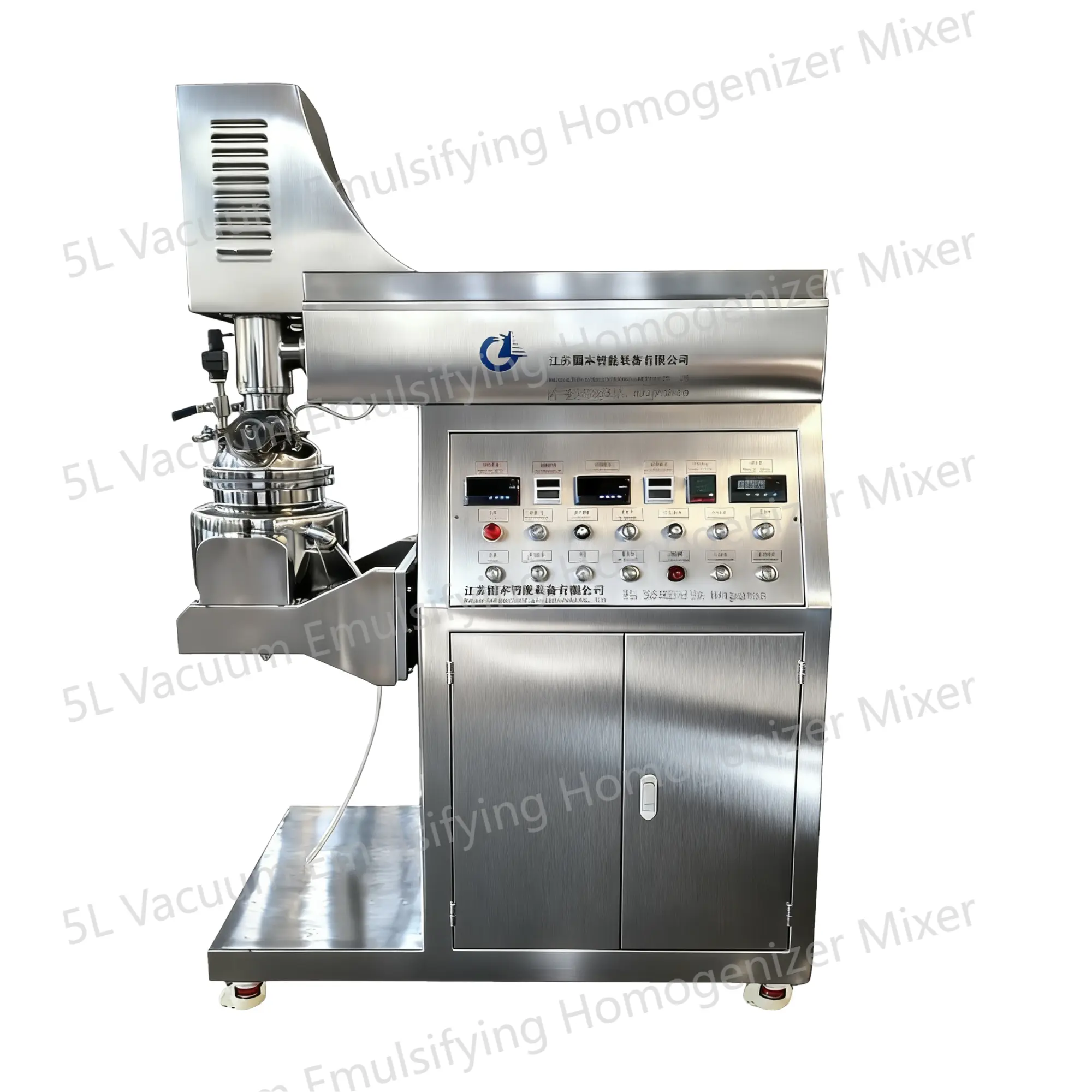 5L Vacuum Emulsifying Homogenizer Mixer
The 5L vacuum emulsifying mixer is a device designed for emulsifying and mixing various substances in a vacuum environment. This equipment is equipped with a mixing tank with a capacity of 5 liters and is widely applied in industries such as food, pharmaceuticals, cosmetics, and pesticides.
-
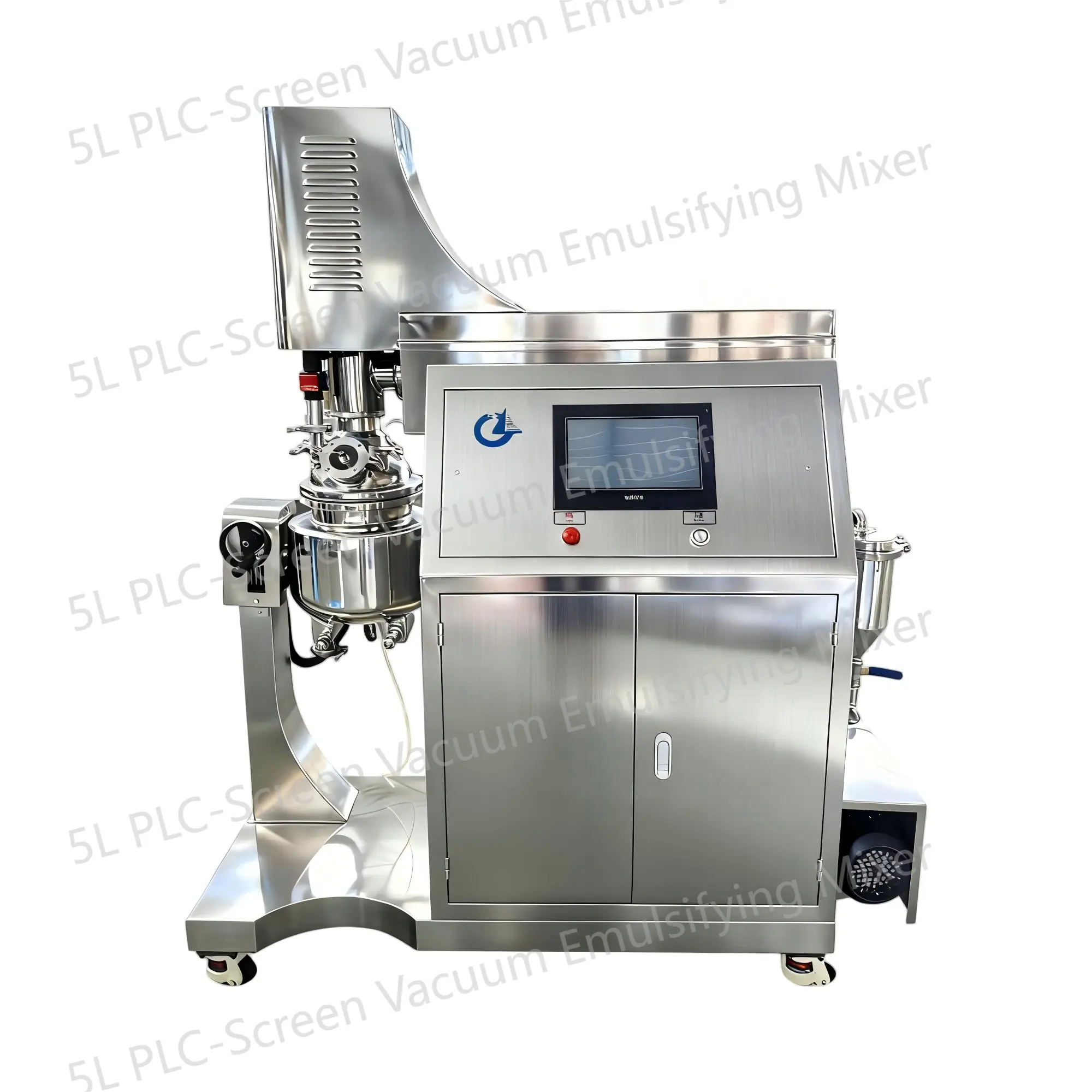 5L PLC-Screen Vacuum Emulsifying Mixer
The 5L PLC-Screen Vacuum Emulsifying Mixer is a device designed for emulsifying and mixing various substances in a vacuum environment. This equipment is equipped with a mixing tank with a capacity of 5 liters and is widely applied in industries such as food, pharmaceuticals, cosmetics, and pesticides.
-
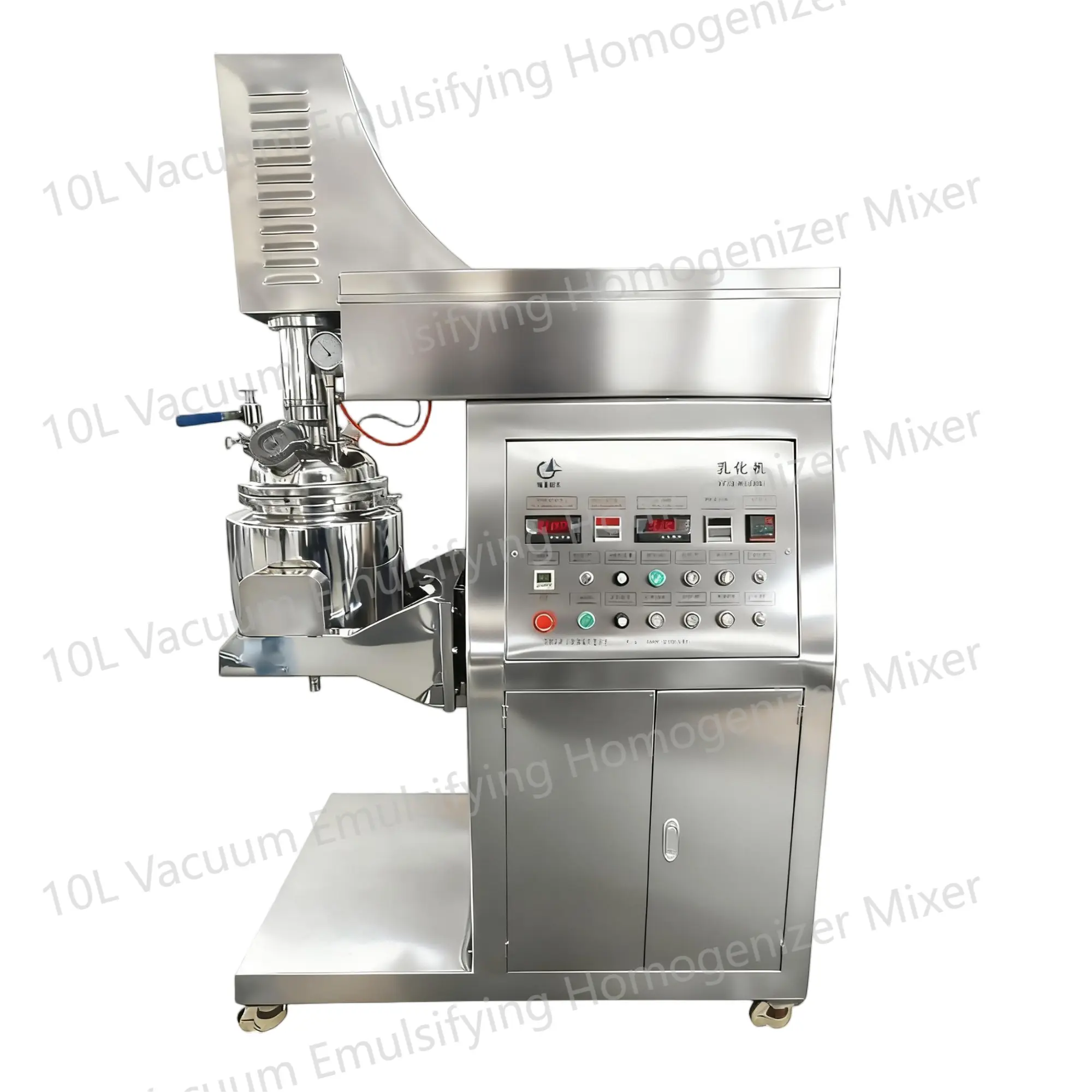 10L Vacuum Emulsifying Homogenizer Mixer
The 10L Vacuum Emulsifying Mixer is a device used for emulsifying and mixing various substances in a vacuum environment. It is commonly used in industries such as food, cosmetics, and pharmaceuticals.