
 English
 Russian
 French
 Spanish
 Portuguese
 Korean
 Japanese
 Thai
ThaiHow to Choose the Right Vacuum Emulsifying Mixer for Your Production Needs
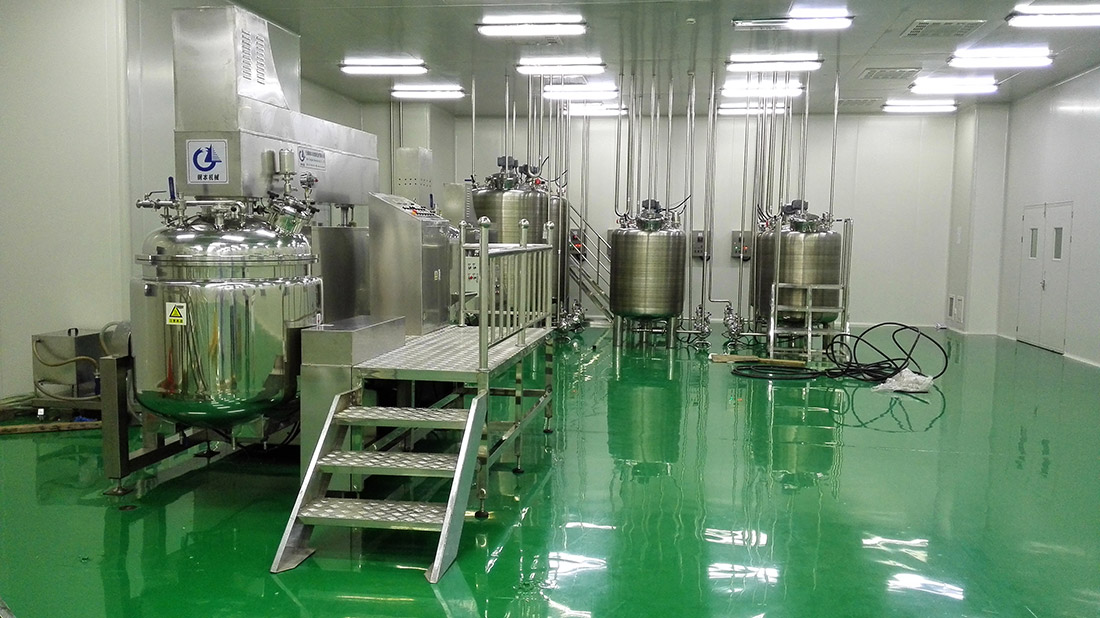
Selecting a suitable Vacuum Emulsifying Mixer is one of the most critical decisions for production teams in cosmetics, food, pharmaceutical and advanced material industries. This equipment directly determines the final texture, particle size uniformity, shelf stability and batch consistency of emulsified products. A poorly matched mixer will not only lead to frequent material waste and repeated rework, but also restrict the expansion of subsequent production capacity and the iteration of new formulas. By sorting out core factors such as production scale, material characteristics, process requirements and long-term expansion needs, you can accurately find the model that best fits your actual production scenarios.
1. Start with production scale and batch volume to lock the basic specification
The first step in selection is to clarify your conventional single-batch production volume. For teams that are in the new product research and development stage or only need to process small batches of samples every week, a Lab Vacuum Emulsifying Mixer is often the most cost-effective choice. Its tank capacity usually ranges from 1L to 10L, which can fully meet the formula verification and small-batch trial production needs, and will not cause unnecessary energy waste and equipment idling due to excessive configuration. For mass production lines that need to run continuously for multiple hours every day, you need to select a model with a tank capacity of 50L, 100L or even larger according to the maximum daily output, and ensure that the effective working volume of the equipment can leave 20%~30% of the margin for subsequent temporary order growth.
It is worth noting that the batch consistency of large-scale production models must be strictly verified. The difference in emulsification effect caused by different feeding sequences and stirring rhythms must be eliminated through reasonable structural design, so that the particle size distribution and viscosity performance of each batch of products after amplification can be highly consistent with the results obtained by the Lab Vacuum Emulsifying Mixer in the research and development stage, avoiding the common industry problem that "the small test effect is good, but the large production effect is out of control".
2. Match material characteristics to confirm core functional configuration
Different materials put forward completely different requirements for the performance of the mixer. For conventional low-viscosity lotions, serums or salad dressings, the basic standard configuration of the Vacuum Emulsifying Mixer can already meet the production needs. But for high-viscosity materials such as moisturizing creams, ointments and high-concentration pastes, you need to pay special attention to the design of the stirring system. At this time, the equipment needs to be equipped with a high-power homogenizing motor and a multi-layer stirring structure with a scraper, which can continuously scrape off the material adhering to the inner wall of the tank to ensure that no local dead zone that is not fully emulsified is formed.
For production scenarios that involve high-viscosity materials above 1 million CP, you can even consider a hybrid configuration combined with a Double Planetary Mixer structure. This design can generate strong shearing and kneading forces through the simultaneous revolution and rotation of the stirring paddles, so that the materials with extremely high viscosity can still achieve uniform mixing and full emulsification without agglomeration. In addition, you also need to confirm the material of the contact part: for products that meet food-grade or pharmaceutical-grade hygiene standards, the part in contact with the material should be made of high-quality stainless steel with mirror polishing, which is easy to clean and will not cause residual contamination of the material.
3. Process adaptability and long-term scalability are key to avoiding frequent replacement
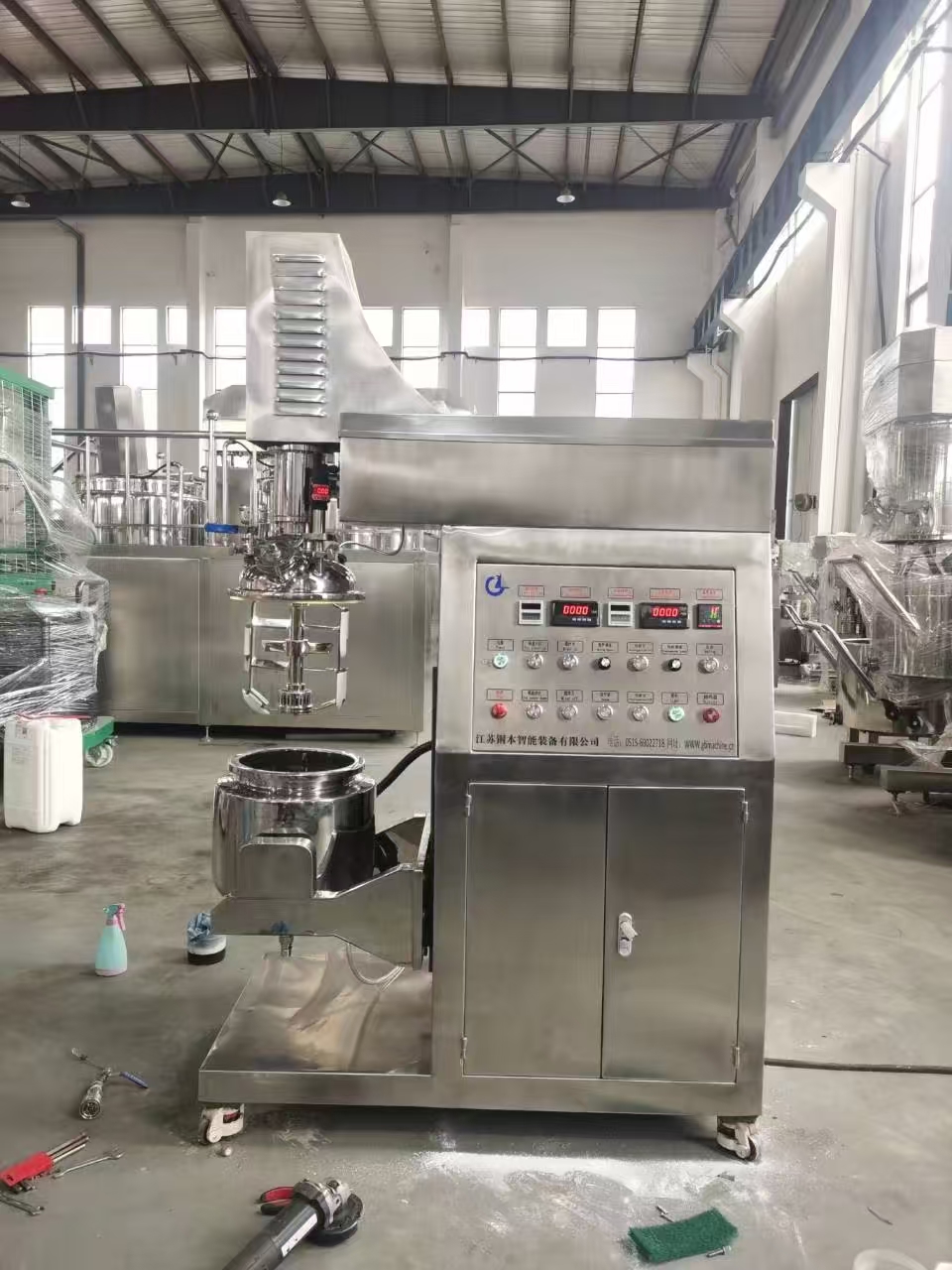
Many teams only focus on whether the current model can meet the immediate production needs when purchasing, but ignore the adaptability to subsequent new processes, resulting in the equipment being eliminated in a short time. A high-quality Vacuum Emulsifying Mixer should support multi-level adjustable homogenization speed, independent temperature control system for oil and water pots, and stable vacuum negative pressure regulation function. These configurations allow you to flexibly adjust the process parameters when introducing new formulas, rather than being restricted by the fixed functions of the equipment.
If your R&D team often needs to develop new products with different emulsification difficulties, the Lab Vacuum Emulsifying Mixer used in the R&D stage should maintain a high degree of parameter consistency with the large-scale production model. The same shear speed range, vacuum degree control accuracy and temperature adjustment logic can greatly reduce the difficulty of process scale-up, and the experimental data obtained in the laboratory can be quickly replicated to the large production line. For enterprises that have the demand to expand product categories in the next 2 to 3 years, it is also necessary to give priority to models that support modular upgrades. After the subsequent production demand increases, you can add online cleaning systems, automatic feeding modules or data collection interfaces without replacing the main engine, so that the equipment can keep up with the pace of long-term production development.
4. Final verification: match the model with your actual scenario
Before finalizing the selection, you can sort out all your core needs and compare them one by one: if the main demand is small-batch R&D and flexible trial production, the Lab Vacuum Emulsifying Mixer with compact structure and flexible parameter adjustment is your best choice; if the main demand is large-scale continuous production of conventional emulsified products, the standard Vacuum Emulsifying Mixer with stable performance and easy operation can maximize the production efficiency; if you often deal with high-viscosity, difficult-to-disperse paste materials, a model with enhanced stirring and homogenization performance or integrated with the Double Planetary Mixer structure will bring more stable production results.
A suitable Vacuum Emulsifying Mixer is not the model with the most complete functions and the highest configuration, but the one that perfectly matches your batch scale, material characteristics, process habits and long-term planning. Through systematic sorting and verification, you can avoid unnecessary cost waste and obtain a set of emulsification production solutions that can bring stable output and long-term value for the production line.
News
- Latest News
- Solutions
- FAQ
Recommend Products
-
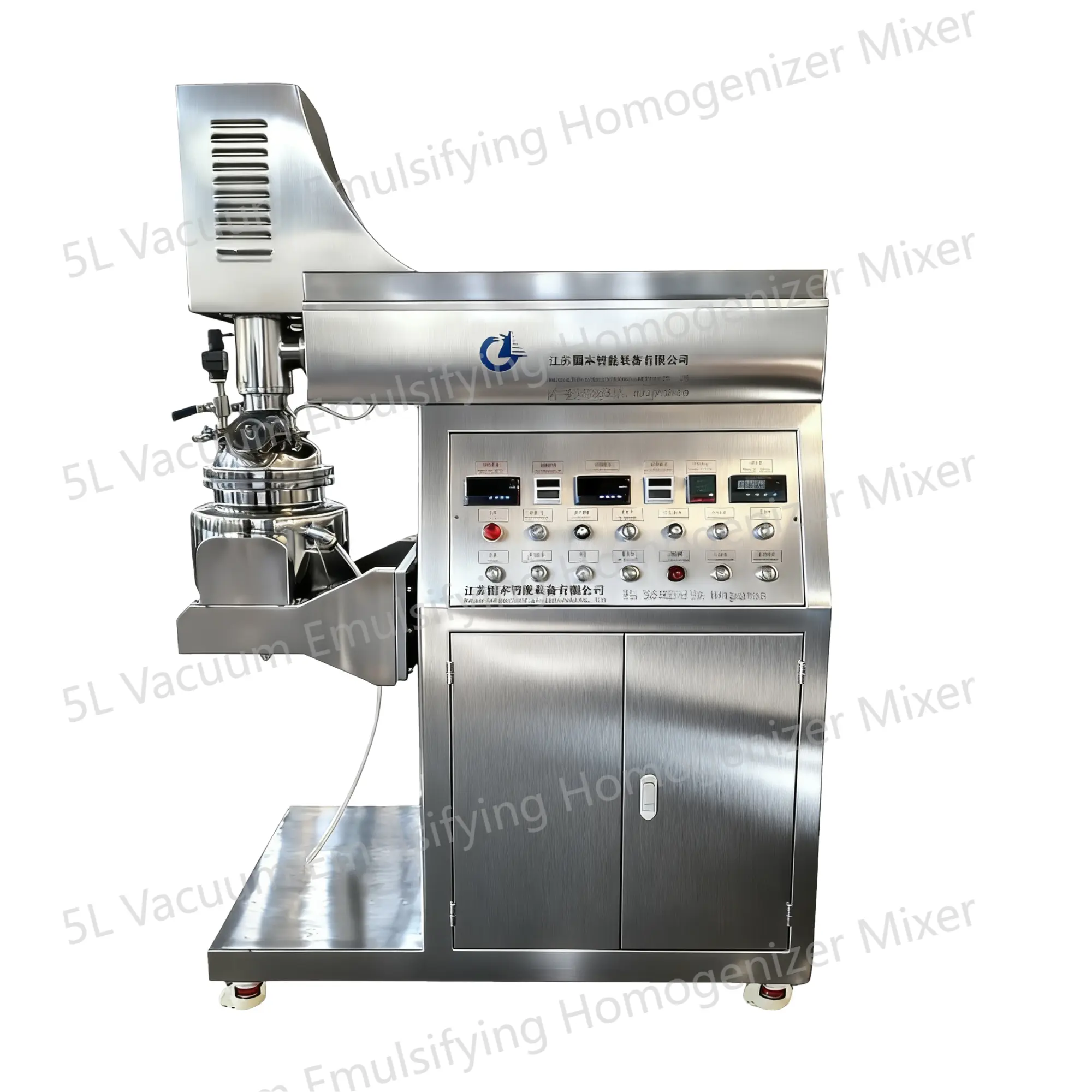 5L Vacuum Emulsifying Homogenizer Mixer
The 5L vacuum emulsifying mixer is a device designed for emulsifying and mixing various substances in a vacuum environment. This equipment is equipped with a mixing tank with a capacity of 5 liters and is widely applied in industries such as food, pharmaceuticals, cosmetics, and pesticides.
-
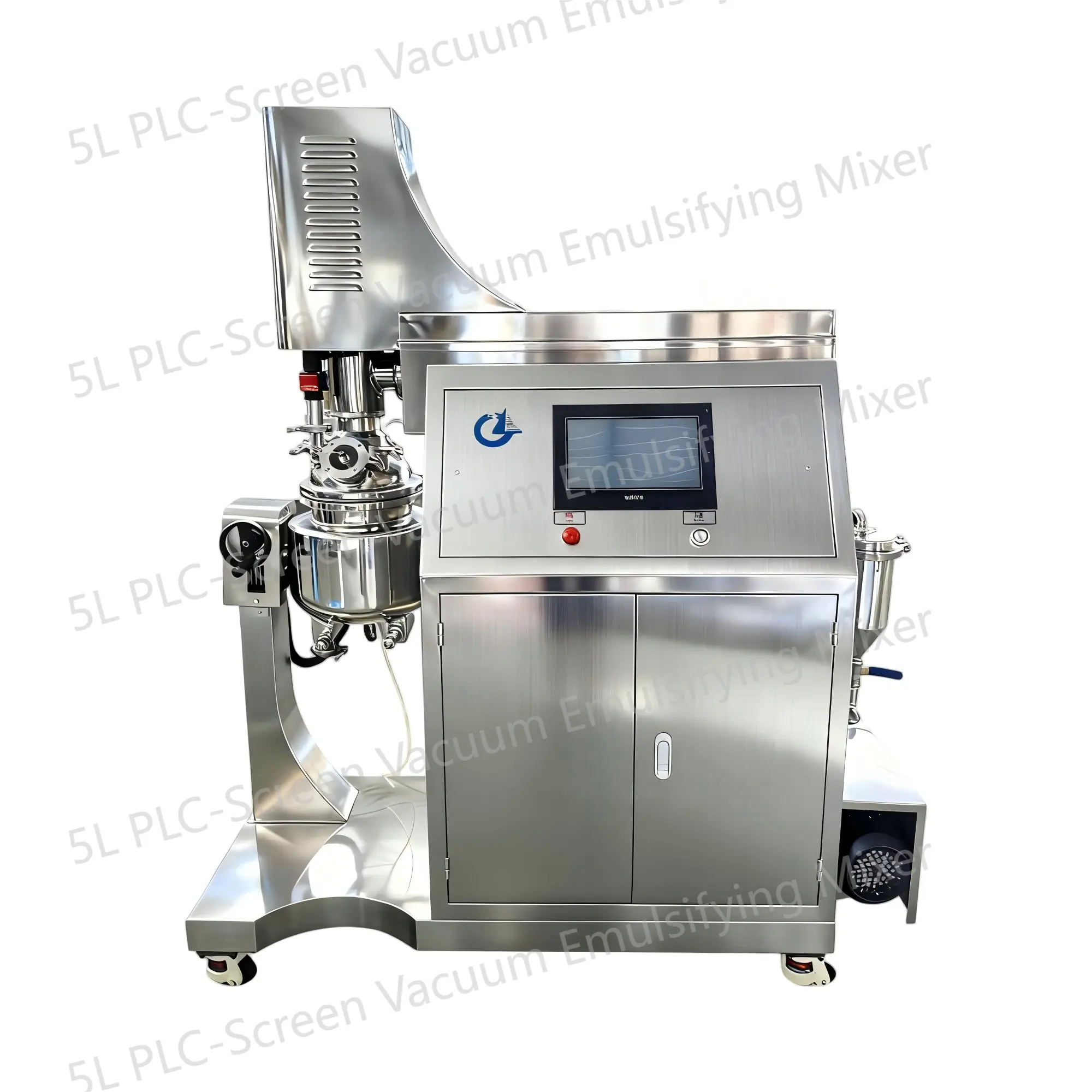 5L PLC-Screen Vacuum Emulsifying Mixer
The 5L PLC-Screen Vacuum Emulsifying Mixer is a device designed for emulsifying and mixing various substances in a vacuum environment. This equipment is equipped with a mixing tank with a capacity of 5 liters and is widely applied in industries such as food, pharmaceuticals, cosmetics, and pesticides.
-
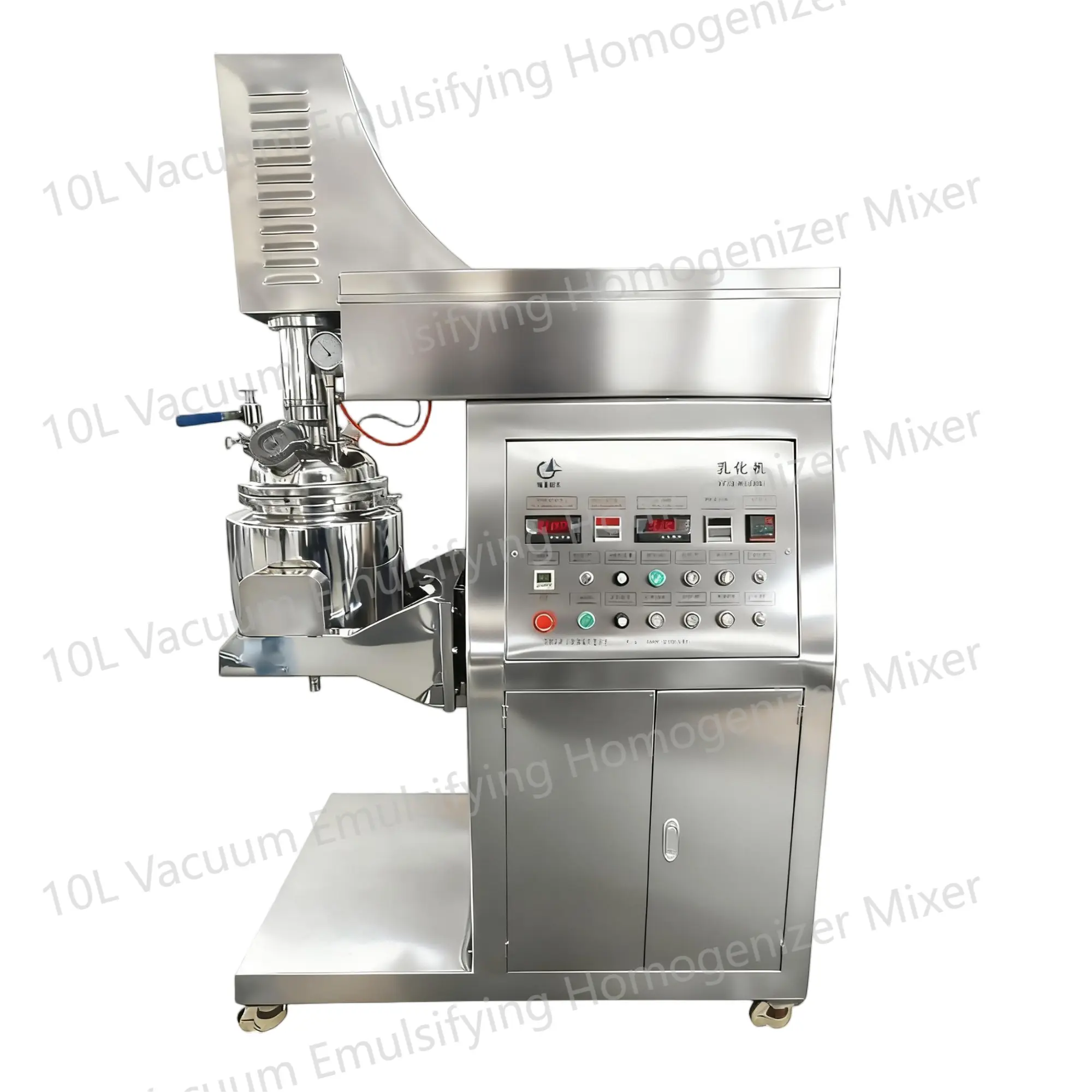 10L Vacuum Emulsifying Homogenizer Mixer
The 10L Vacuum Emulsifying Mixer is a device used for emulsifying and mixing various substances in a vacuum environment. It is commonly used in industries such as food, cosmetics, and pharmaceuticals.