
 English
 Russian
 French
 Spanish
 Portuguese
 Korean
 Japanese
 Thai
ThaiHow Temperature and Pressure Regulation Define Emulsification Efficiency and Final Product Quality
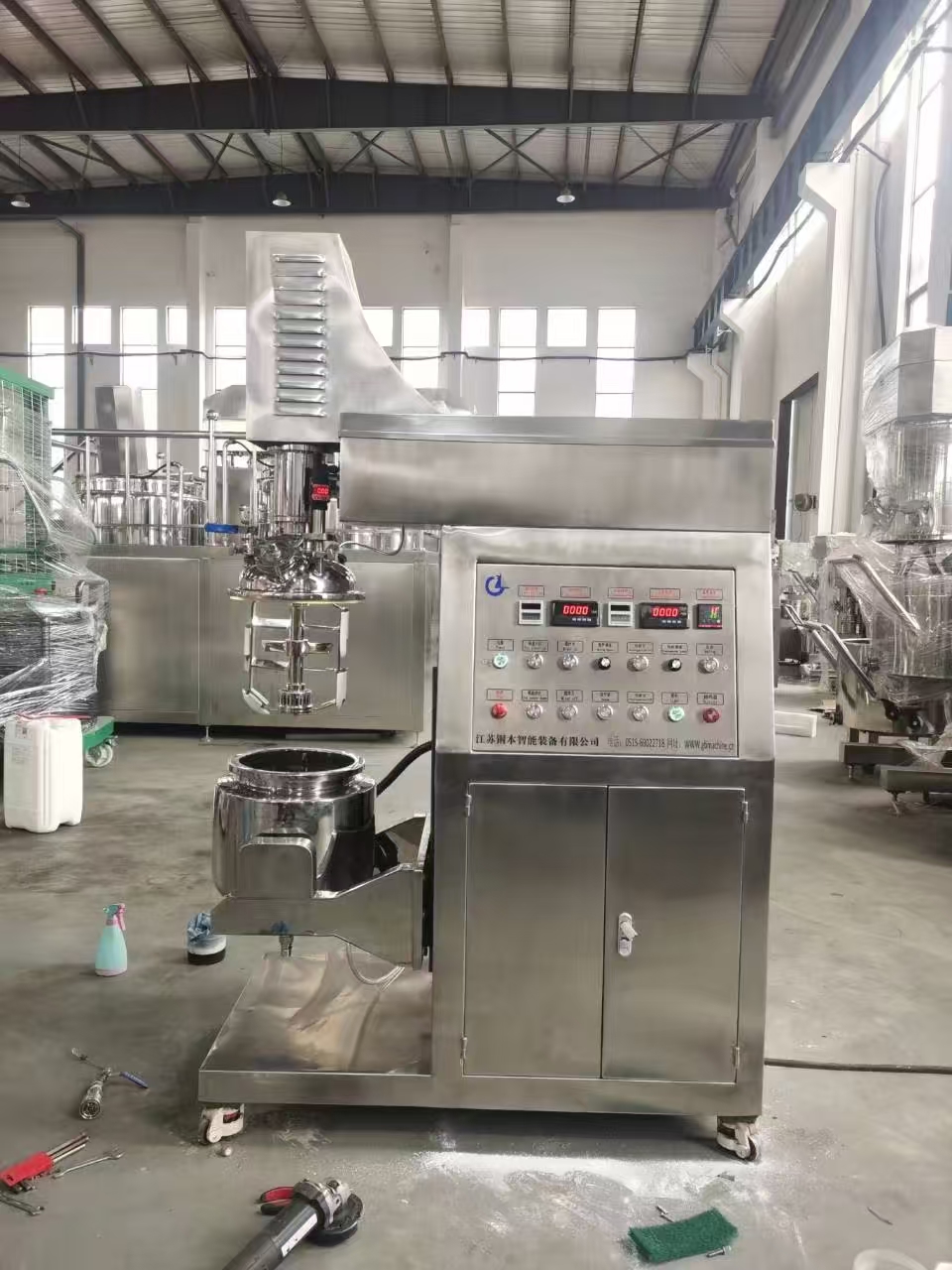
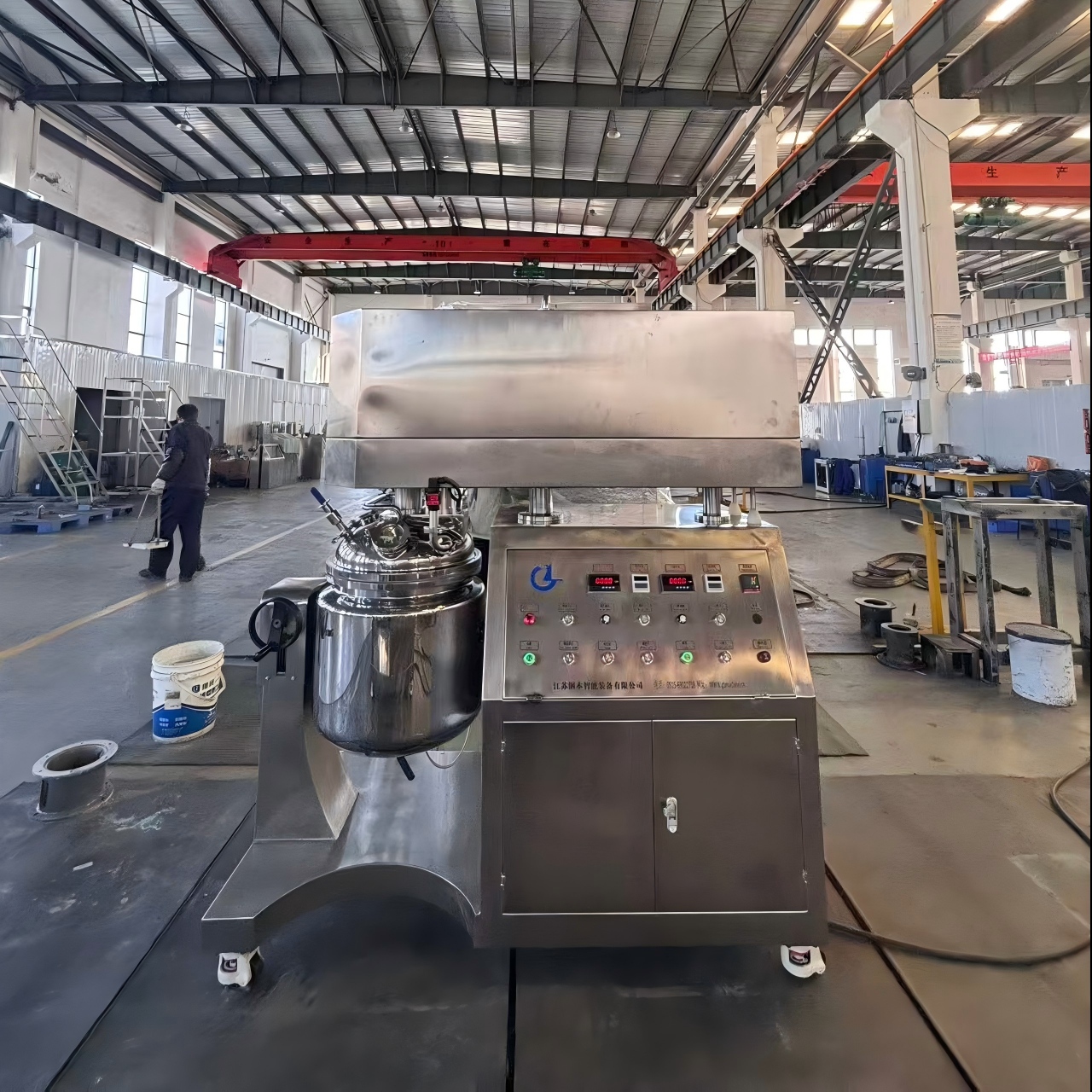
Emulsification, as a core unit operation that disperses two or more immiscible liquids into a uniform and stable system, is widely applied across food, pharmaceutical, cosmetic and advanced material industries. Whether using a Vacuum Emulsifying Mixer for cosmetic cream production, an Emulsifying Homogenizer Mixer for pharmaceutical carrier preparation, a High Shear Emulsifying Mixer for fine chemical dispersion, a Lab Vacuum Emulsifying Mixer for formula research, or a Double Planetary Mixer for high-viscosity material mixing, the precise regulation of temperature and pressure always acts as the core determinant of final product quality. Without systematic control of these two parameters, even the most advanced equipment cannot achieve stable, predictable emulsification results.
Temperature control: foundational regulation for phase compatibility and microdroplet stability
Temperature directly alters the physical properties of both oil and water phases, laying a critical foundation for subsequent emulsification efficiency. For most oil-water systems, appropriately increasing temperature can significantly reduce the viscosity of the oil phase, lower the interfacial tension between two immiscible phases, and help emulsifier molecules quickly arrange and form a dense protective film on the newly generated droplet surface. In the operation of a Vacuum Emulsifying Mixer, when processing wax-containing high-melting-point oil phases, the oil and water phases are usually pre-heated to 75℃–85℃ simultaneously. This avoids premature crystallization of wax components before emulsification, which would otherwise cause coarse, uneven particles in the final emulsion.
For different equipment types, temperature control carries distinct functional priorities. In a Lab Vacuum Emulsifying Mixer used for new formula development, precise temperature control within ±1℃ can accurately record the particle size change rule under different thermal conditions, providing reliable data support for subsequent scale-up production. When a High Shear Emulsifying Mixer processes non-ionic emulsifier systems, setting the operating temperature near the phase inversion temperature can greatly reduce the average particle size of the emulsion. Compared with emulsification at room temperature, the final droplet diameter can be reduced by more than 60%, and the shelf stability of the product is significantly improved. For high-viscosity systems handled by a Double Planetary Mixer, reasonable temperature rise can effectively reduce the apparent viscosity of the material, reduce the load of the mixing system, and make the dispersed phase distribute more uniformly in the continuous phase without local agglomeration.
Pressure control: core power for microdroplet refinement and system homogenization
Pressure provides the core energy input for the emulsification process, and its regulation directly determines the final particle size distribution and system uniformity. According to the Kolmogorov turbulent eddy theory, when the pressure increases, the laminar shear and turbulent shear effect in the emulsification chamber are significantly enhanced. The tiny eddies generated by energy dissipation are smaller than the diameter of the dispersed phase droplets, which can continuously break large droplets into finer micro-units. In an Emulsifying Homogenizer Mixer, as the operating pressure rises from 5 MPa to 15 MPa, the average particle size of the emulsion gradually decreases, and the flow behavior index of the system drops significantly, showing obvious pseudoplastic fluid characteristics, which greatly improves the smoothness and spreadability of the product in actual use.
Different equipment scenarios have clear optimal pressure ranges. When a High Shear Emulsifying Mixer performs microfluidic emulsification, setting the pressure gradient between 10000 PSI and 30000 PSI can stably prepare nanoemulsions with narrow particle size distribution, and the biological resistance and storage life of the product are greatly improved. In a Vacuum Emulsifying Mixer, the negative pressure environment not only eliminates bubbles generated in the stirring process and prevents the product from oxidation and deterioration, but also helps the dispersed phase to quickly fill every corner of the system under the action of pressure difference, avoiding dead zones of uneven mixing. For a Lab Vacuum Emulsifying Mixer, precise pressure control is a necessary condition for repeating experimental results, ensuring that the emulsification effect of each batch of small-scale samples is highly consistent, and avoiding the problem that the data in the research and development stage cannot be replicated after industrial scale-up. Even for the high-viscosity mixing process completed by a Double Planetary Mixer, reasonable negative pressure control can effectively remove submicron bubbles trapped in the material, making the interior of the finished product dense and uniform, without pores or layering.
Synergistic regulation of temperature and pressure: the path to optimal emulsification effect
Temperature and pressure are not independent control variables, but form a highly coupled synergistic relationship in the actual emulsification process. Appropriate temperature rise can reduce the material viscosity, so that the shear force generated under the same pressure can be transmitted to the interior of the dispersed phase more efficiently, avoiding the problem of insufficient droplet breaking effect due to excessive system viscosity. Reasonable pressure setting can make the heat distribution in the emulsification system more uniform, avoid local overheating caused by material accumulation, and keep the temperature of the whole system stable within the preset process window.
Many typical industrial practices have proved the value of this synergistic control. When using a Vacuum Emulsifying Mixer to produce whey protein emulsion gel, under the combined conditions of 70℃–90℃ temperature gradient and 5 MPa–15 MPa pressure regulation, the elastic modulus of the system is significantly improved, and the emulsion gel with excellent stability can be obtained, which can be directly used as a high-quality fat substitute in low-calorie food. When an Emulsifying Homogenizer Mixer prepares drug-loaded albumin nanoemulsion, the coordinated control of temperature and pressure can make the particle size of the product uniform, and will not cause protein denaturation due to excessive local temperature rise, ensuring the biological activity of the drug carrier.
In all emulsification scenarios from laboratory research and development to large-scale industrial production, the independent optimization of temperature or pressure alone is difficult to obtain the best comprehensive effect. Only on the basis of clarifying the physical properties of the material, through the precise matching of temperature and pressure parameters, and combined with the process characteristics of different equipment such as Vacuum Emulsifying Mixer, Emulsifying Homogenizer Mixer, High Shear Emulsifying Mixer, Lab Vacuum Emulsifying Mixer and Double Planetary Mixer, can we finally achieve the ideal emulsification quality with fine particle size, narrow distribution, long-term stability and consistent batch performance.
News
- Latest News
- Solutions
- FAQ
Recommend Products
-
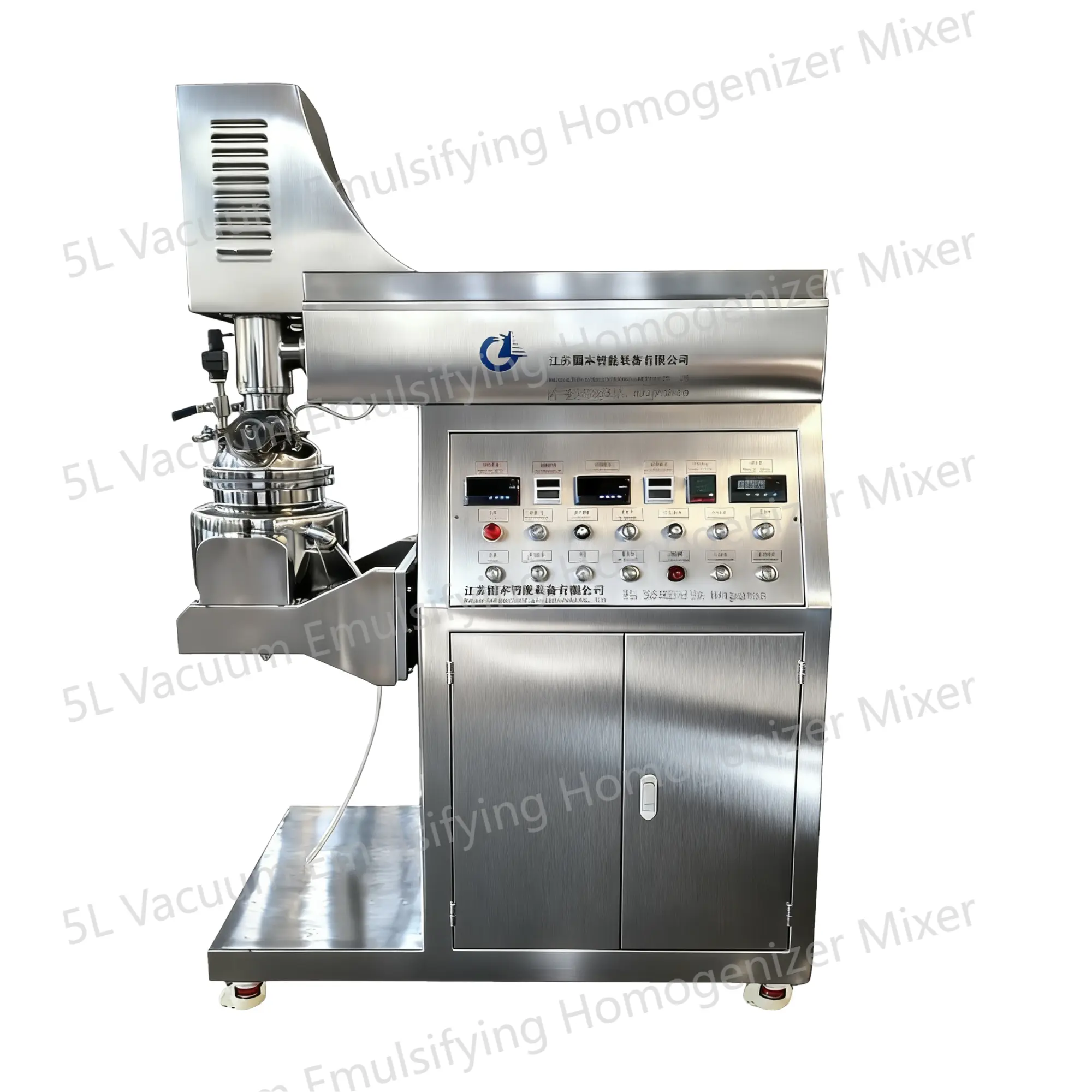 5L Vacuum Emulsifying Homogenizer Mixer
The 5L vacuum emulsifying mixer is a device designed for emulsifying and mixing various substances in a vacuum environment. This equipment is equipped with a mixing tank with a capacity of 5 liters and is widely applied in industries such as food, pharmaceuticals, cosmetics, and pesticides.
-
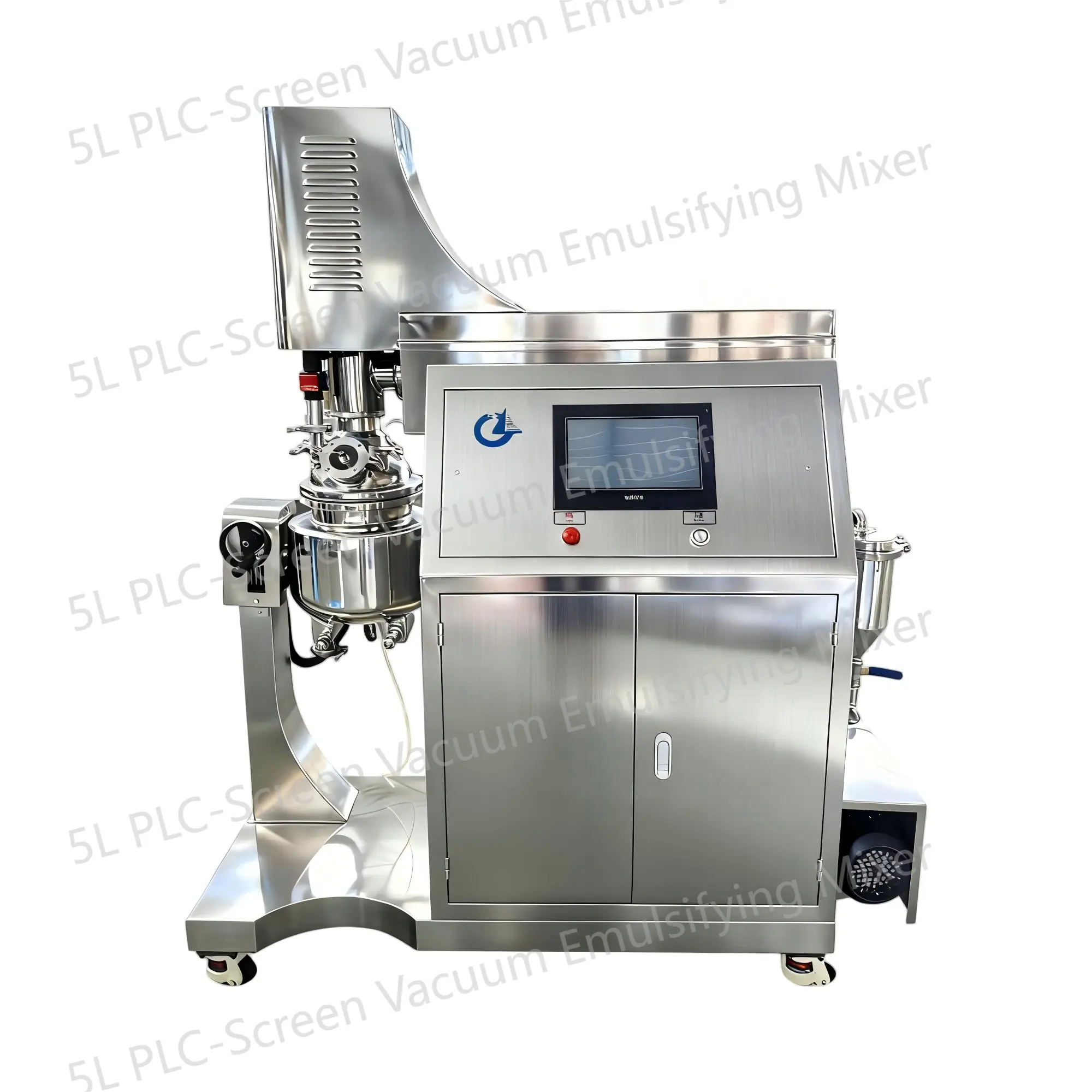 5L PLC-Screen Vacuum Emulsifying Mixer
The 5L PLC-Screen Vacuum Emulsifying Mixer is a device designed for emulsifying and mixing various substances in a vacuum environment. This equipment is equipped with a mixing tank with a capacity of 5 liters and is widely applied in industries such as food, pharmaceuticals, cosmetics, and pesticides.
-
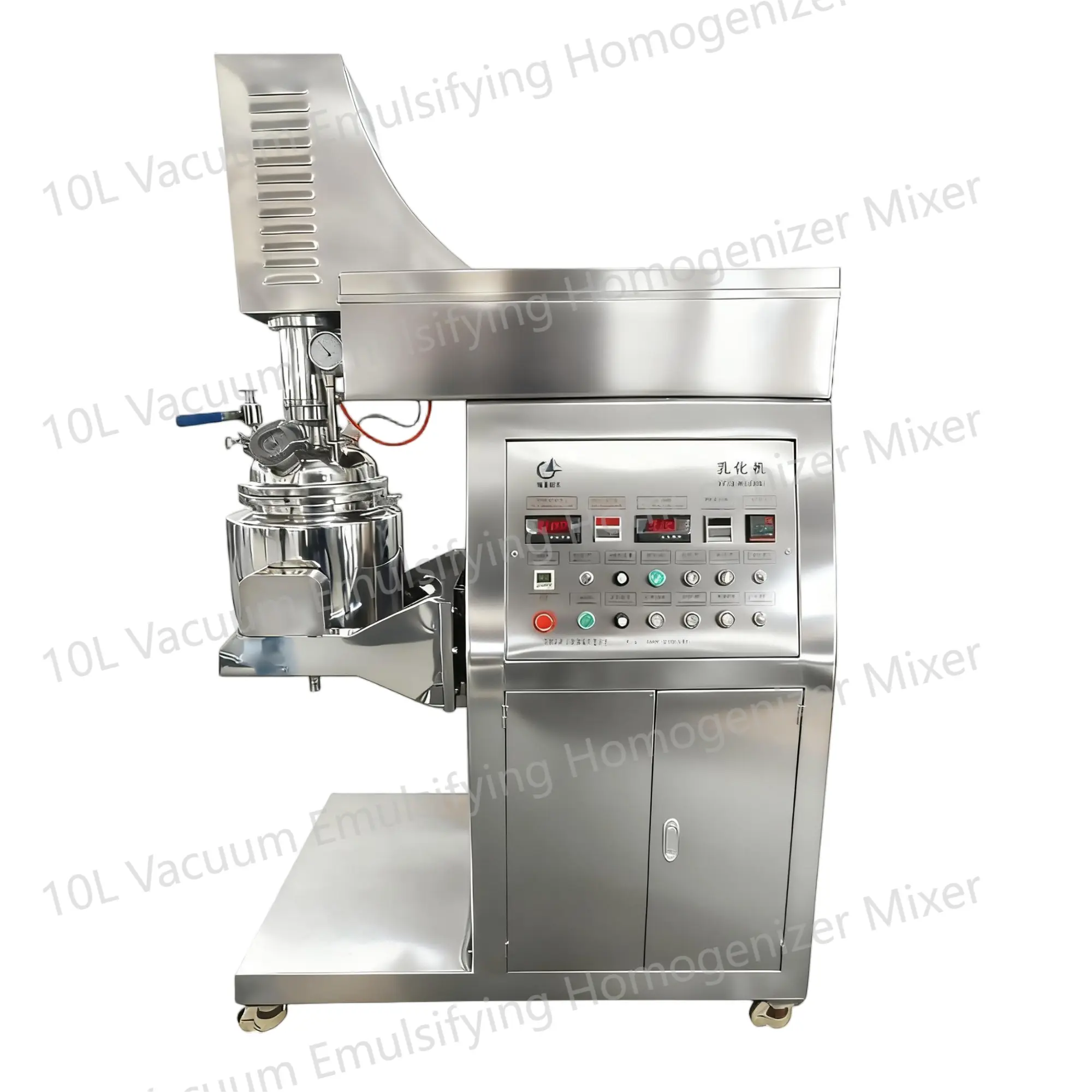 10L Vacuum Emulsifying Homogenizer Mixer
The 10L Vacuum Emulsifying Mixer is a device used for emulsifying and mixing various substances in a vacuum environment. It is commonly used in industries such as food, cosmetics, and pharmaceuticals.