

 English
 Russian
 French
 Spanish
 Portuguese
 Korean
 Japanese
 Thai
ThaiHow to Promote the Development of the Vacuum Emulsifier Industry
To further advance the development of the vacuum emulsifier industry, it is crucial to seamlessly integrate information technology with industrial manufacturing, while increasing the adoption of mobile technology, cloud computing, and intelligent operations. Only by continuously incorporating informatization and intelligent features into vacuum emulsifier applications can the industry achieve sustainable growth.
In today’s fiercely competitive information technology landscape, strengthening informatization has become invaluable for every industry and enterprise—especially for the emulsifier sector. Vigorous development and effective utilization of information technology are critical to driving the emulsifier industry forward. By leveraging information resources to enable timely data processing, businesses can unlock better opportunities for production and operational growth.
Industry experts analyze that the rapid expansion of China’s food, pharmaceutical, cosmetics, and related industries has fueled the growth of the emulsifier sector. However, the current development status of China’s emulsifier industry falls short of meeting the demands of the food industry, with outdated production technology being the root cause. Against this backdrop, enhancing informatization has undoubtedly become a top priority for the industry. Emulsifier manufacturers were among the early adopters of information technology; for this sector, informatization primarily encompasses digitalization, integration, flexibility, and intelligence in manufacturing, as well as virtualization, networking, and globalization of production processes. According to China Food Machinery & Equipment Network, the key to advancing the emulsifier industry lies in leveraging information technology to drive and upgrade manufacturing capabilities.
1. Product-Level Informatization
Integrate information technology and computer science into emulsifier products to enhance quality, functionality, technological content, and added value. This includes adopting advanced product design and manufacturing technologies such as CAD (Computer-Aided Design), CAM (Computer-Aided Manufacturing), and CAPP (Computer-Aided Process Planning).
2. Process-Level Informatization
Implement automated control technologies in the production process to achieve manufacturing automation—including the use of CNC (Computer Numerical Control) equipment and the establishment of CNC production lines.
3. Management-Level Informatization
Utilize computer systems to streamline internal management and integrate enterprise information. This involves implementing ERP (Enterprise Resource Planning) systems, SCM (Supply Chain Management) systems, and other integrated management solutions.
4. Market-Level Informatization
Enterprises can leverage the internet to develop e-commerce, reducing intermediate links, lowering sales costs, and enhancing market competitiveness. Examples include implementing CRM (Customer Relationship Management) systems and conducting online business transactions. Currently, many emulsifier manufacturers secure a significant portion of their orders through online channels.Informatization in the vacuum emulsifier industry enables manufacturers to improve market responsiveness, enhance production flexibility, strengthen cost control, and navigate the fiercely competitive environment with greater resilience. Therefore, promoting informatization in the vacuum emulsifier industry is not only necessary but imperative.
News
- Latest News
- Solutions
- FAQ
Recommend Products
-
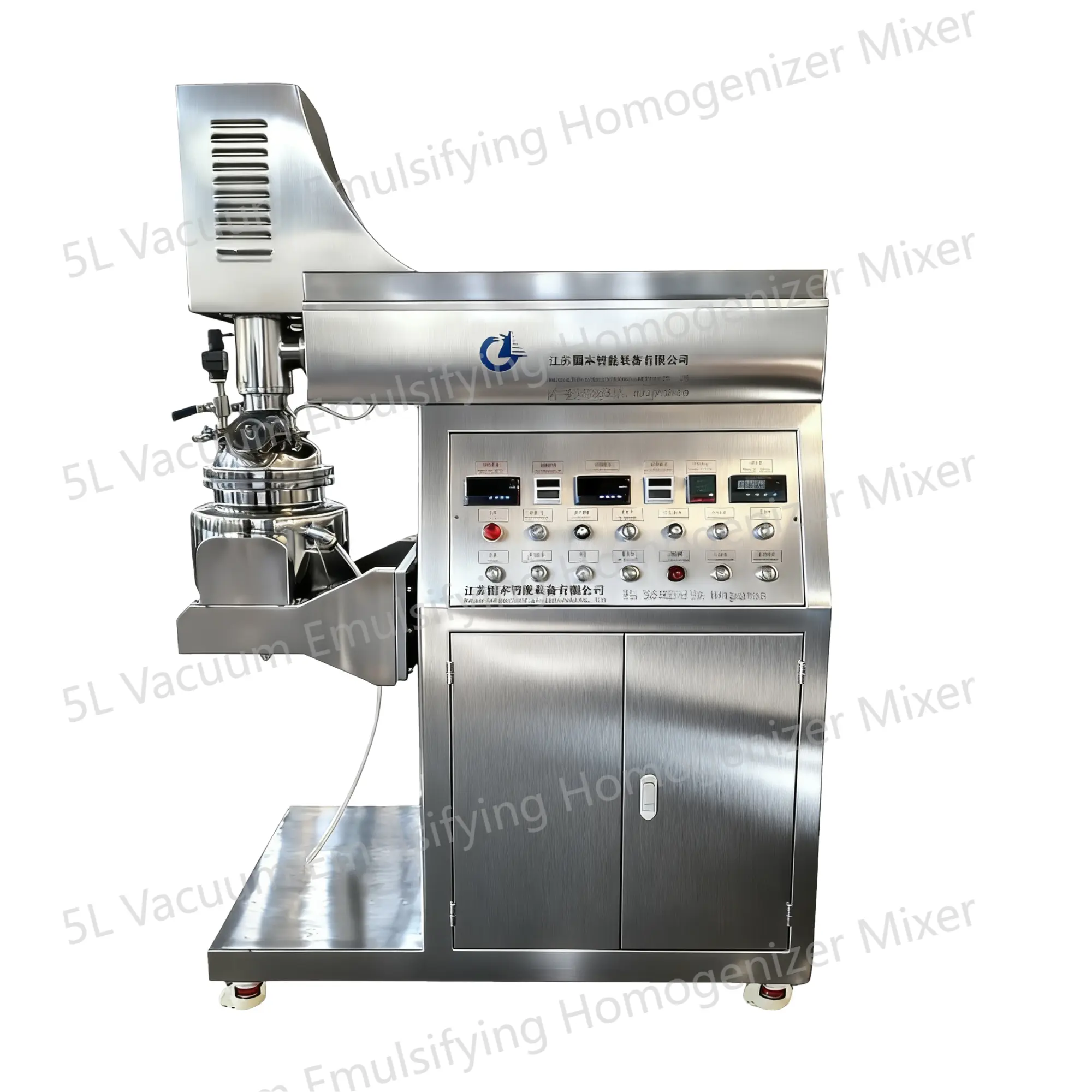 5L Vacuum Emulsifying Homogenizer Mixer
The 5L vacuum emulsifying mixer is a device designed for emulsifying and mixing various substances in a vacuum environment. This equipment is equipped with a mixing tank with a capacity of 5 liters and is widely applied in industries such as food, pharmaceuticals, cosmetics, and pesticides.
-
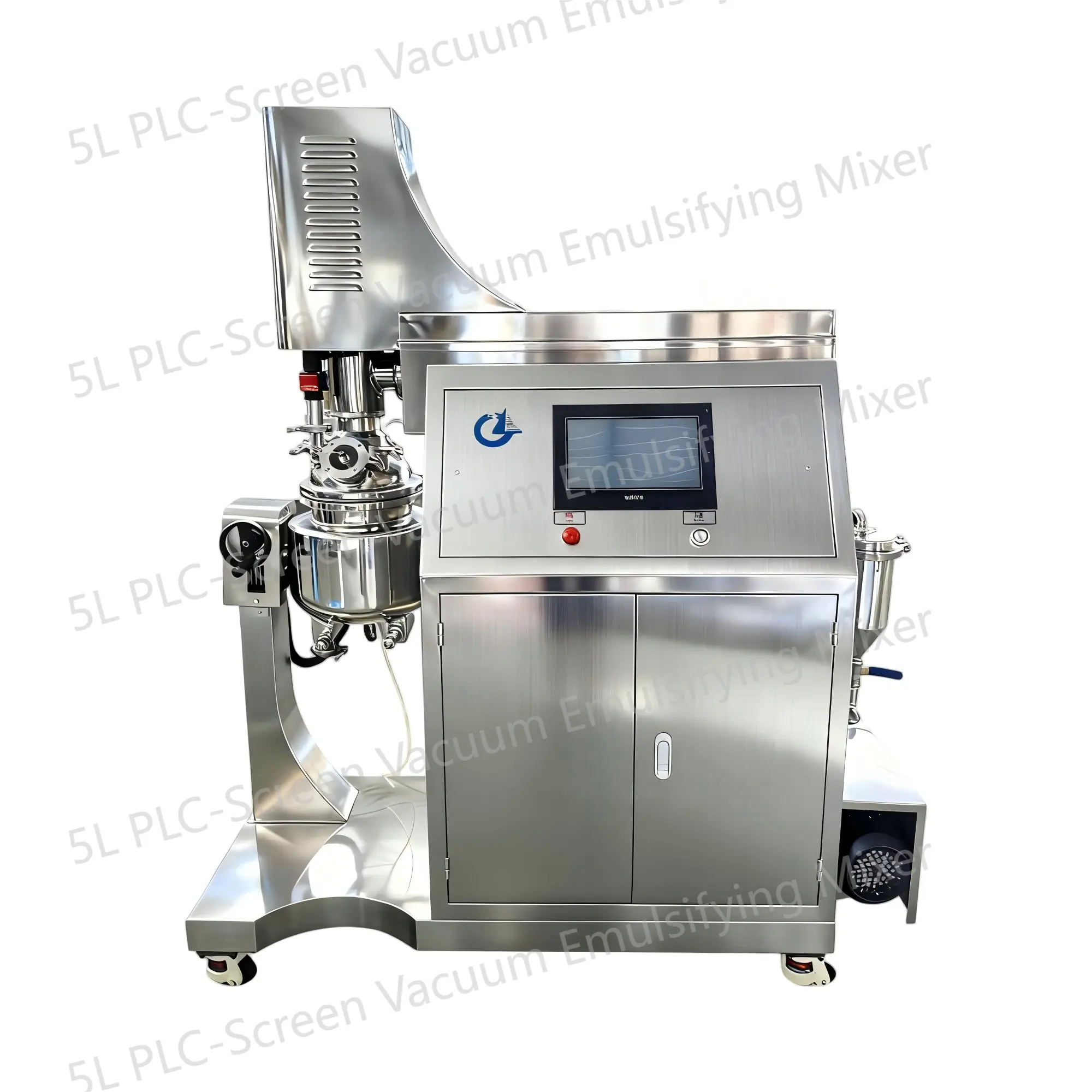 5L PLC-Screen Vacuum Emulsifying Mixer
The 5L PLC-Screen Vacuum Emulsifying Mixer is a device designed for emulsifying and mixing various substances in a vacuum environment. This equipment is equipped with a mixing tank with a capacity of 5 liters and is widely applied in industries such as food, pharmaceuticals, cosmetics, and pesticides.
-
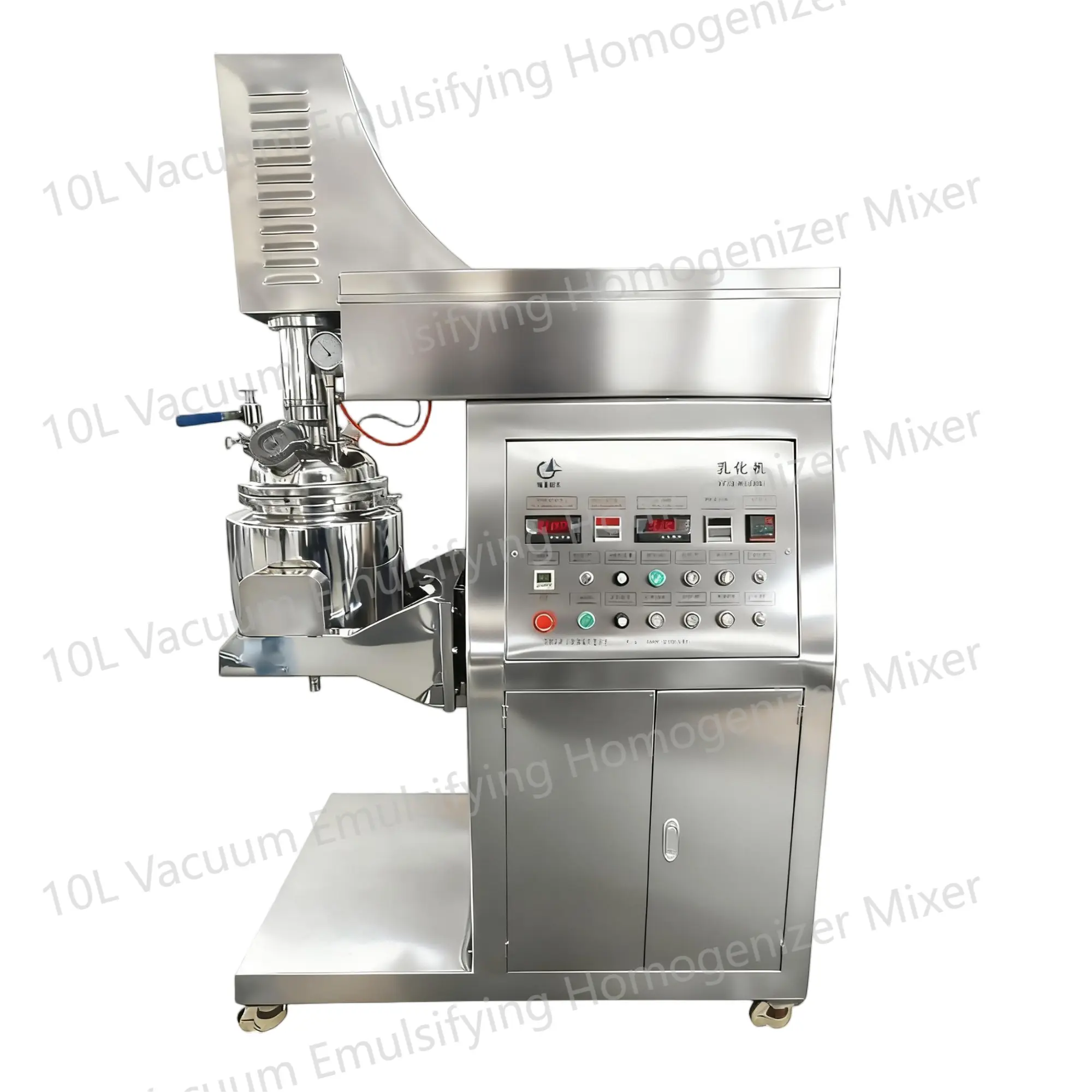 10L Vacuum Emulsifying Homogenizer Mixer
The 10L Vacuum Emulsifying Mixer is a device used for emulsifying and mixing various substances in a vacuum environment. It is commonly used in industries such as food, cosmetics, and pharmaceuticals.
Recommend Faq
-
 Sep 17,2026
The Role of Temperature and Pressure Control in Achieving Optimal Emulsification
-
 Sep 17,2026
From Dispersion to Bubble-Free Homogenization: The Road of Dual-Effect Technological Innovation Combining High Shear Force and Vacuum Degassing
-
 Sep 09,2026
Scalable Production: Full-Range Vacuum Emulsifying Mixers from 5L Lab Scale to 2000L Industrial Capacity


