

 English
 Russian
 French
 Spanish
 Portuguese
 Korean
 Japanese
 Thai
ThaiVacuum Emulsifier Maintenance Manual: How to Extend Equipment Service Life and Preserve Homogenization Efficiency
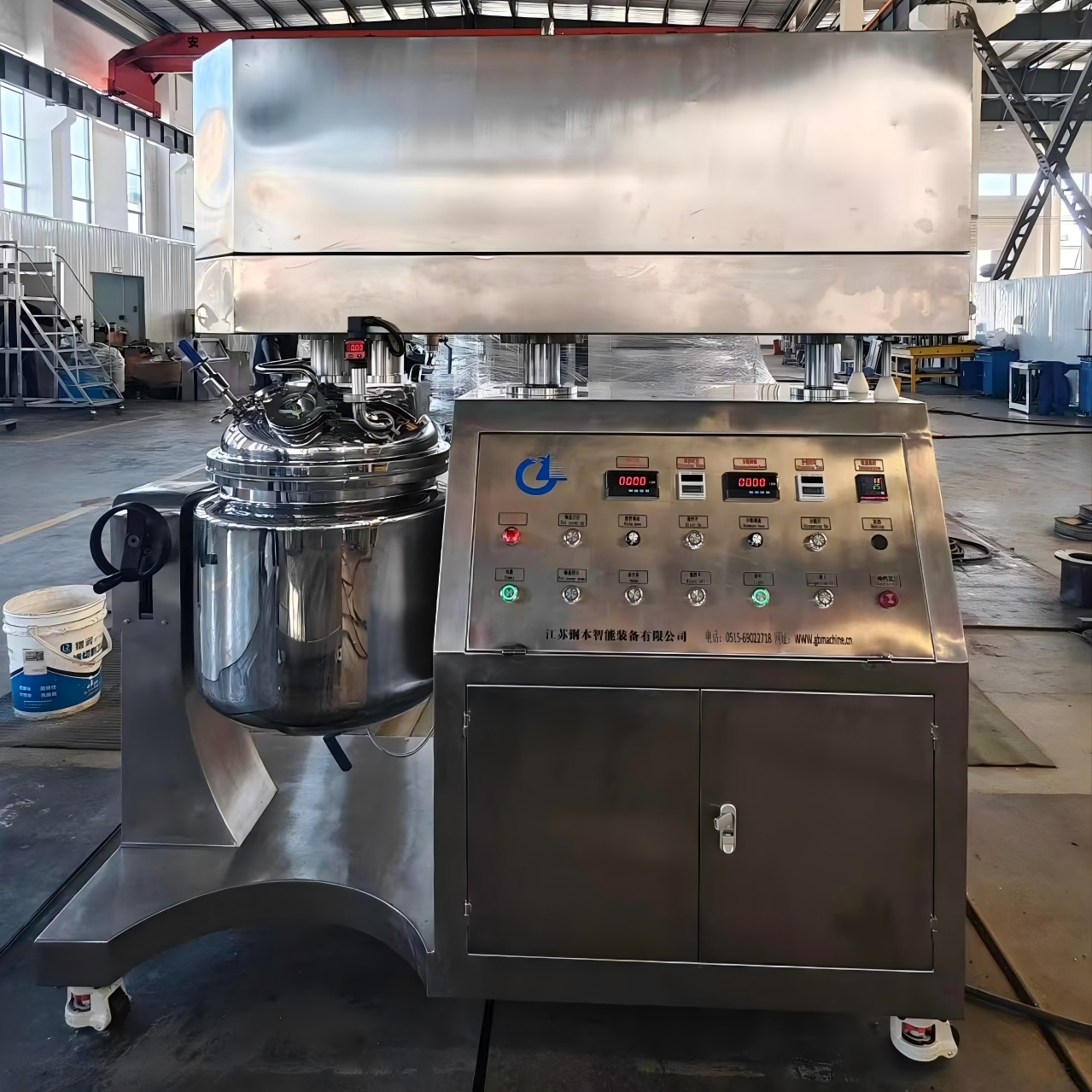
A vacuum emulsifying machine is a core workhorse in industries ranging from cosmetics and pharmaceuticals to food processing and fine chemicals. Its ability to produce ultra-fine, stable, bubble-free emulsions directly determines product quality, batch consistency and overall production efficiency. Without a structured, regular maintenance routine, even a high-performance unit will face declining homogenization quality, unexpected downtime and drastically shortened service life. This manual lays out practical, step-by-step maintenance guidelines to keep your vacuum emulsifying machine running reliably for years.
Daily Post-Operation Cleaning: The First Line of Defense
Residue left inside the chamber after production is the most common hidden cause of performance degradation. Many viscous materials such as creams, ointments and food pastes can solidify, adhere to the inner walls, homogenizer rotor or stirring blades if left untreated, gradually blocking gaps in the homogenization working chamber and reducing shear force output. After every production run, drain all remaining material first, then fill the tank with warm water mixed with a mild, non-corrosive food-grade or cosmetic-grade cleaning agent. Run the low-speed stirring and circulating homogenization function for 10 to 15 minutes to flush out residual material trapped in dead corners. Never use sharp metal scrapers or highly corrosive strong acid/alkaline cleaners to scrub the inner tank, as these will scratch the polished stainless steel surface and create new areas where residue can easily accumulate. After cleaning, wipe all inner surfaces dry with a soft, lint-free cloth to prevent long-term moisture from causing subtle corrosion.
Lubrication and Hydraulic System Inspection
Lubrication status directly affects the smooth operation of all moving parts of the vacuum emulsifying machine. Check the lubricating oil level and quality in the main gearbox every 100 hours of operation. The oil level must stay within the marked safe range on the sight glass. If the oil turns dark, develops suspended particles or becomes noticeably thinner, replace it completely with the manufacturer-specified grade of lubricant immediately. For units equipped with hydraulic lifting systems, check the hydraulic oil quality and seal integrity every 300 working hours. Inspect all hydraulic pipelines for signs of oil seepage or cracking. The bearings of the homogenizer rotor need fresh high-temperature resistant grease replenishment every 500 working hours. This simple step can reduce bearing wear by more than 60% and prevent unexpected rotor jams during high-speed operation.
Seal and Vacuum System Routine Check
Worn seals are the top cause of vacuum loss and material leakage in a vacuum emulsifying machine. Inspect all silicone and PTFE seals on the tank door, homogenizer shaft and pipeline connections every 200 working hours. Look for signs of deformation, cracking, hardening or residual material adhesion. Replace any damaged seals immediately, even if they do not show obvious leakage, because subtle vacuum leaks will directly introduce air bubbles into the emulsion, breaking the fineness and stability of the final product. Check the vacuum pump oil level and oil color every week. If the vacuum pump oil turns milky or dark, it means moisture or material vapor has entered the system. Replace the old oil promptly and clean the vacuum pump filter. A poorly maintained vacuum pump will take much longer to pull down to the required vacuum level, wasting production time and increasing the risk of material oxidation.
Motor and Electrical System Preventive Care
The drive motor is the power core of the entire vacuum emulsifying machine. Follow three simple checks during routine inspections: listen for abnormal grinding or rattling noise during operation, measure the motor shell temperature to ensure it never exceeds 80°C, and verify that the no-load current stays between 30% and 50% of the rated value. Clean the dust and material debris off the motor cooling fan and heat sink every 2000 working hours to prevent heat buildup that causes overheating. Tighten all electrical connection terminals every 3000 working hours to avoid loose contacts that lead to unstable power supply. Keep the entire electrical control cabinet dry and well ventilated, away from water splashes and corrosive vapor in the production workshop. This simple preventive measure can extend the motor service life to 8 to 10 years, far longer than the average 3 to 5 years of a neglected unit.
Homogenization Performance Calibration
Even with all parts in good condition, long-term high-speed operation will cause subtle wear on the homogenizer rotor and stator gap. Every 6 months, perform a homogenization performance test: take a sample of standard test emulsion produced by the machine, measure its particle size distribution under a microscope. If the average particle size becomes noticeably coarser or the size distribution becomes uneven, adjust the rotor-stator gap to the factory-specified value. This calibration step restores the original high shear efficiency, ensuring every new batch of emulsion maintains the same fine, stable quality as the first day the machine was put into use.
By following this structured maintenance routine, you can eliminate more than 70% of common sudden failures, cut unplanned downtime drastically, and keep your vacuum emulsifying machine delivering consistent top-tier homogenization performance for its full extended service life.
News
- Latest News
- Solutions
- FAQ
Recommend Products
-
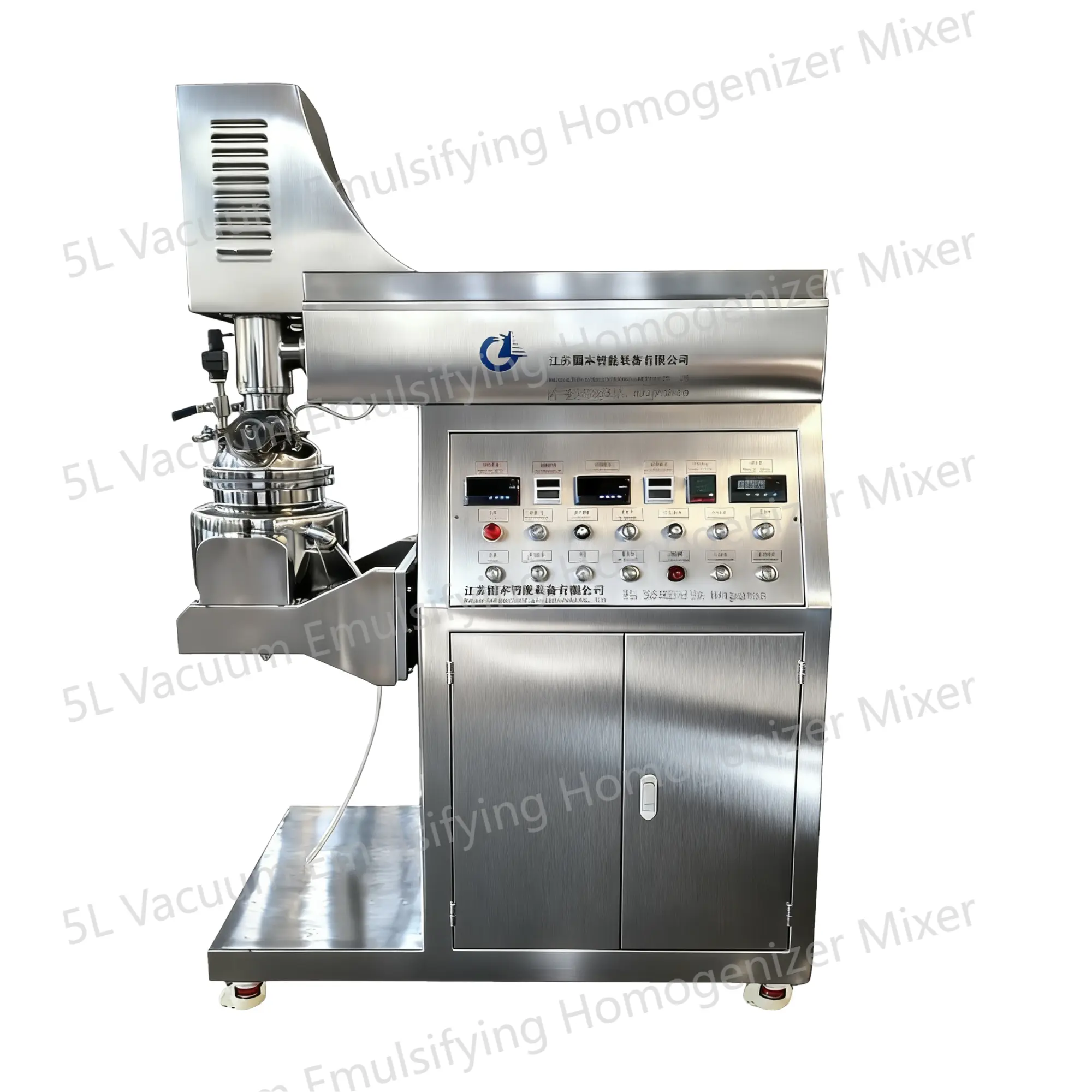 5L Vacuum Emulsifying Homogenizer Mixer
The 5L vacuum emulsifying mixer is a device designed for emulsifying and mixing various substances in a vacuum environment. This equipment is equipped with a mixing tank with a capacity of 5 liters and is widely applied in industries such as food, pharmaceuticals, cosmetics, and pesticides.
-
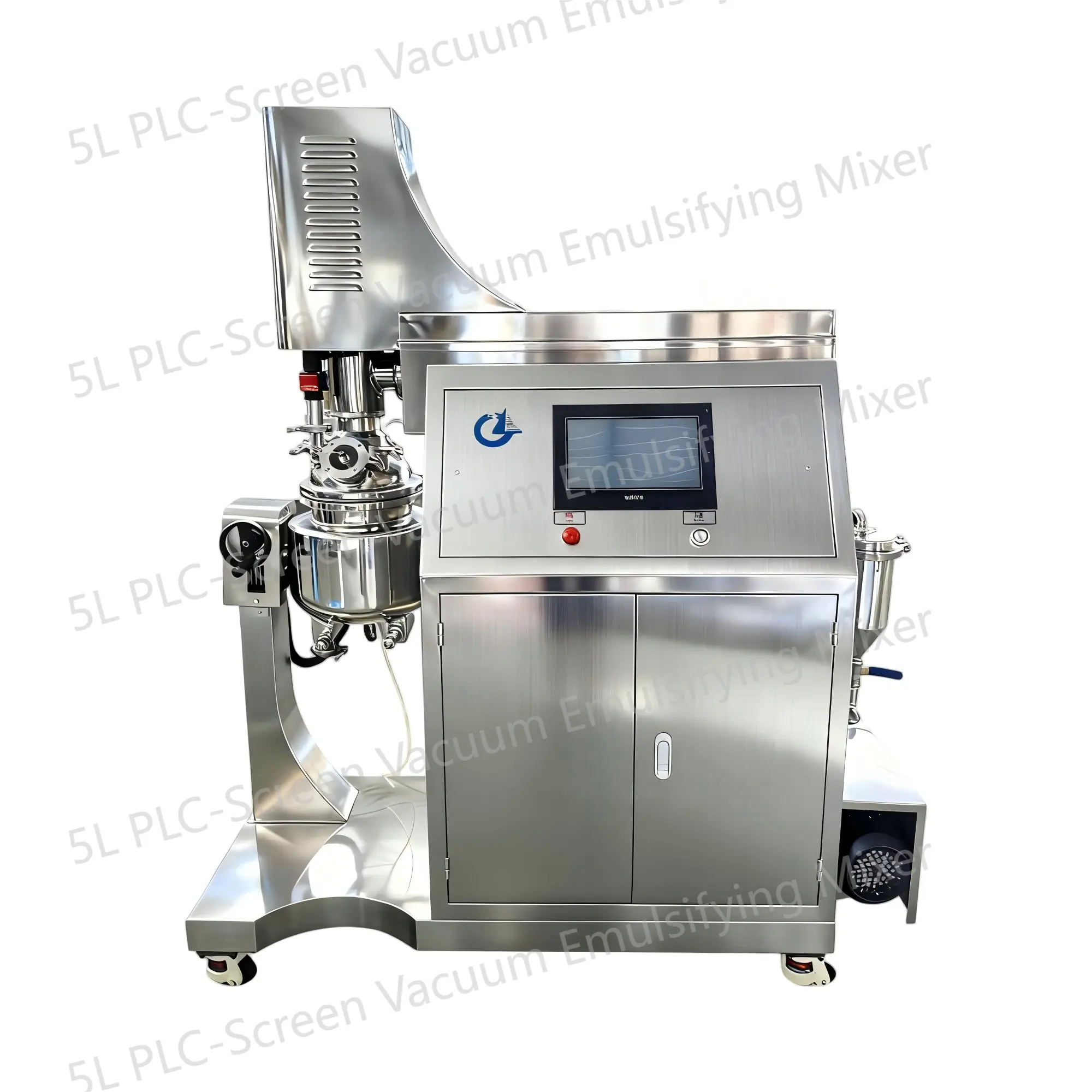 5L PLC-Screen Vacuum Emulsifying Mixer
The 5L PLC-Screen Vacuum Emulsifying Mixer is a device designed for emulsifying and mixing various substances in a vacuum environment. This equipment is equipped with a mixing tank with a capacity of 5 liters and is widely applied in industries such as food, pharmaceuticals, cosmetics, and pesticides.
-
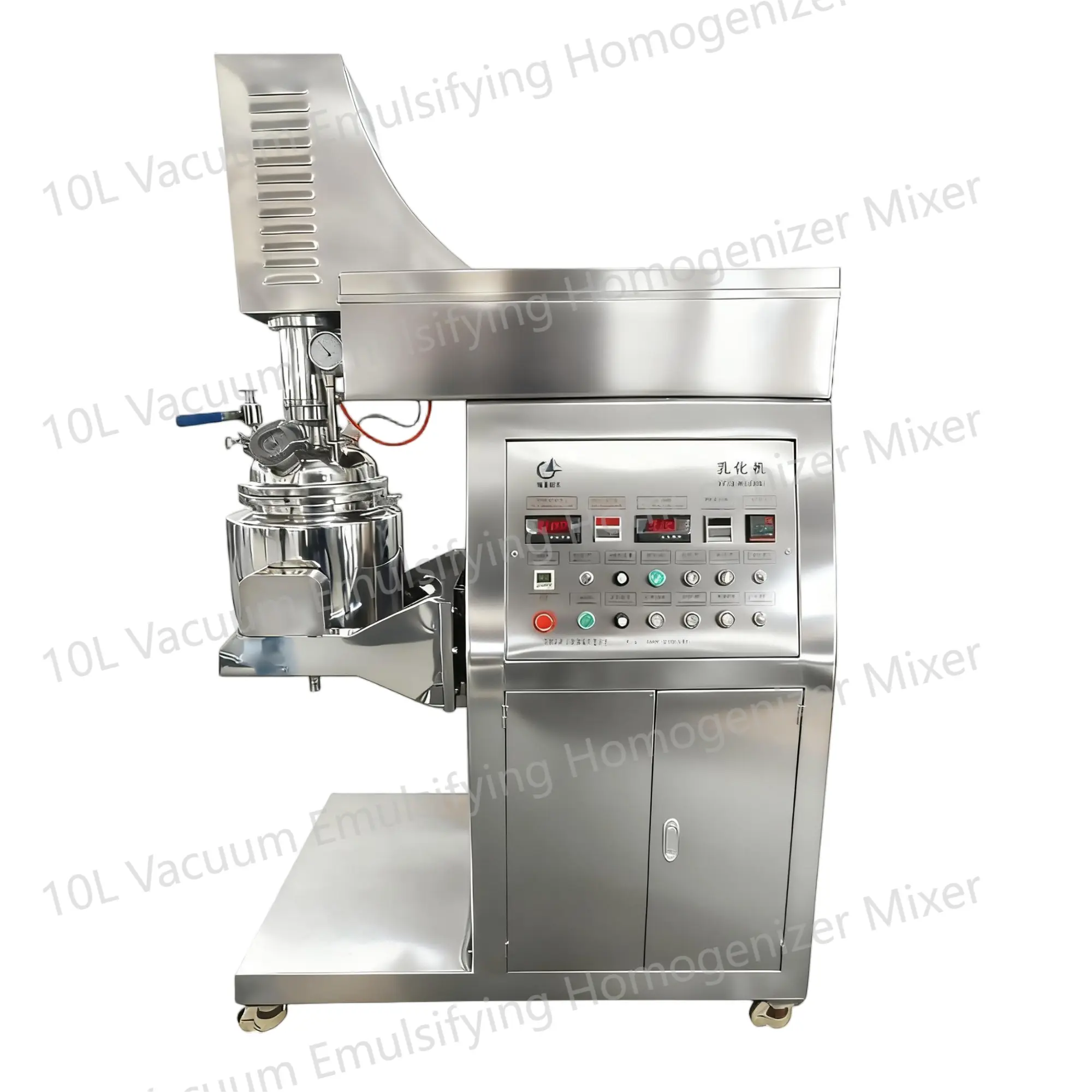 10L Vacuum Emulsifying Homogenizer Mixer
The 10L Vacuum Emulsifying Mixer is a device used for emulsifying and mixing various substances in a vacuum environment. It is commonly used in industries such as food, cosmetics, and pharmaceuticals.
Recommend Faq
-
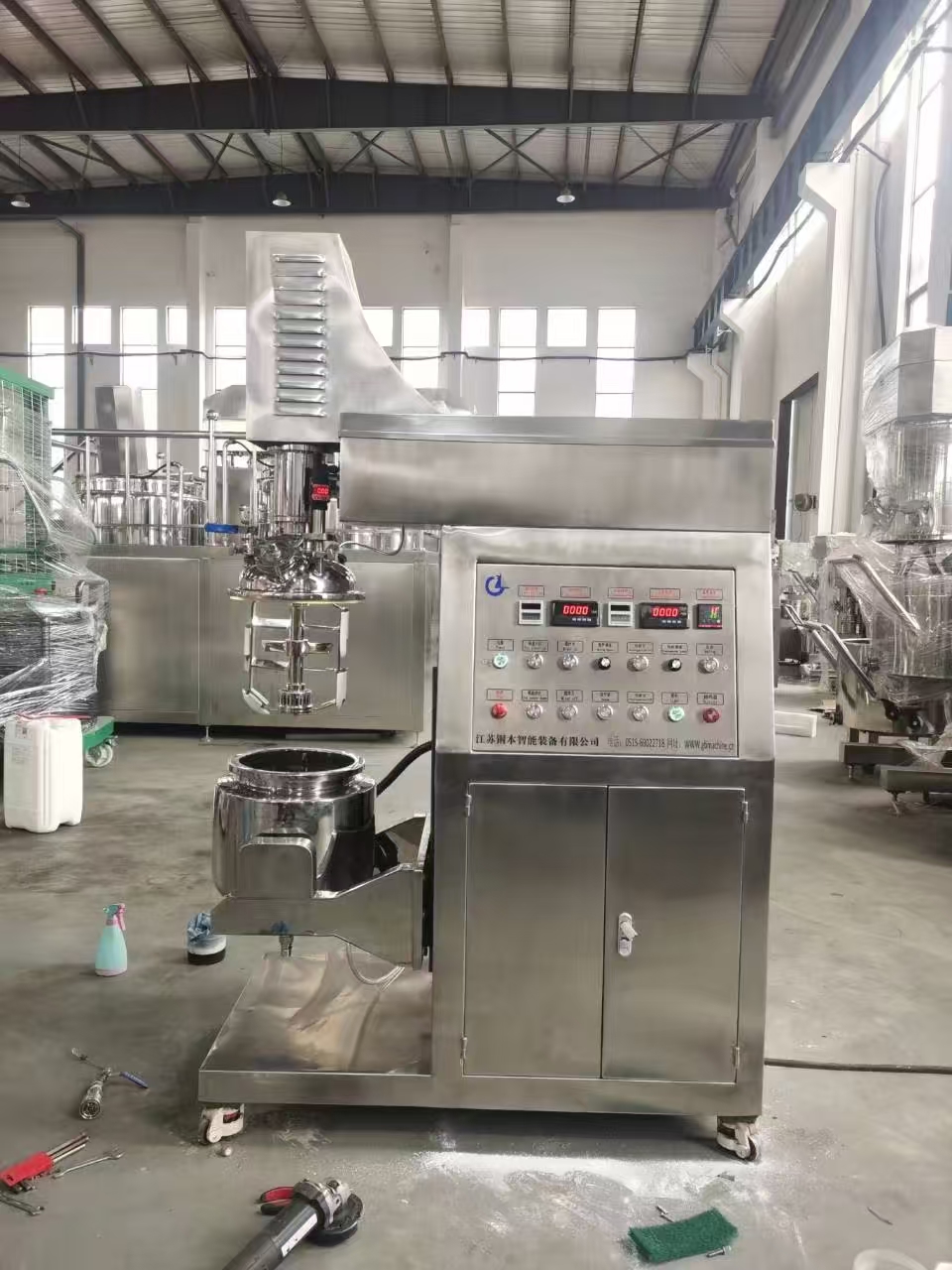 Sep 09,2026
Scalable Production: Full-Range Vacuum Emulsifying Mixers from 5L Lab Scale to 2000L Industrial Capacity
-
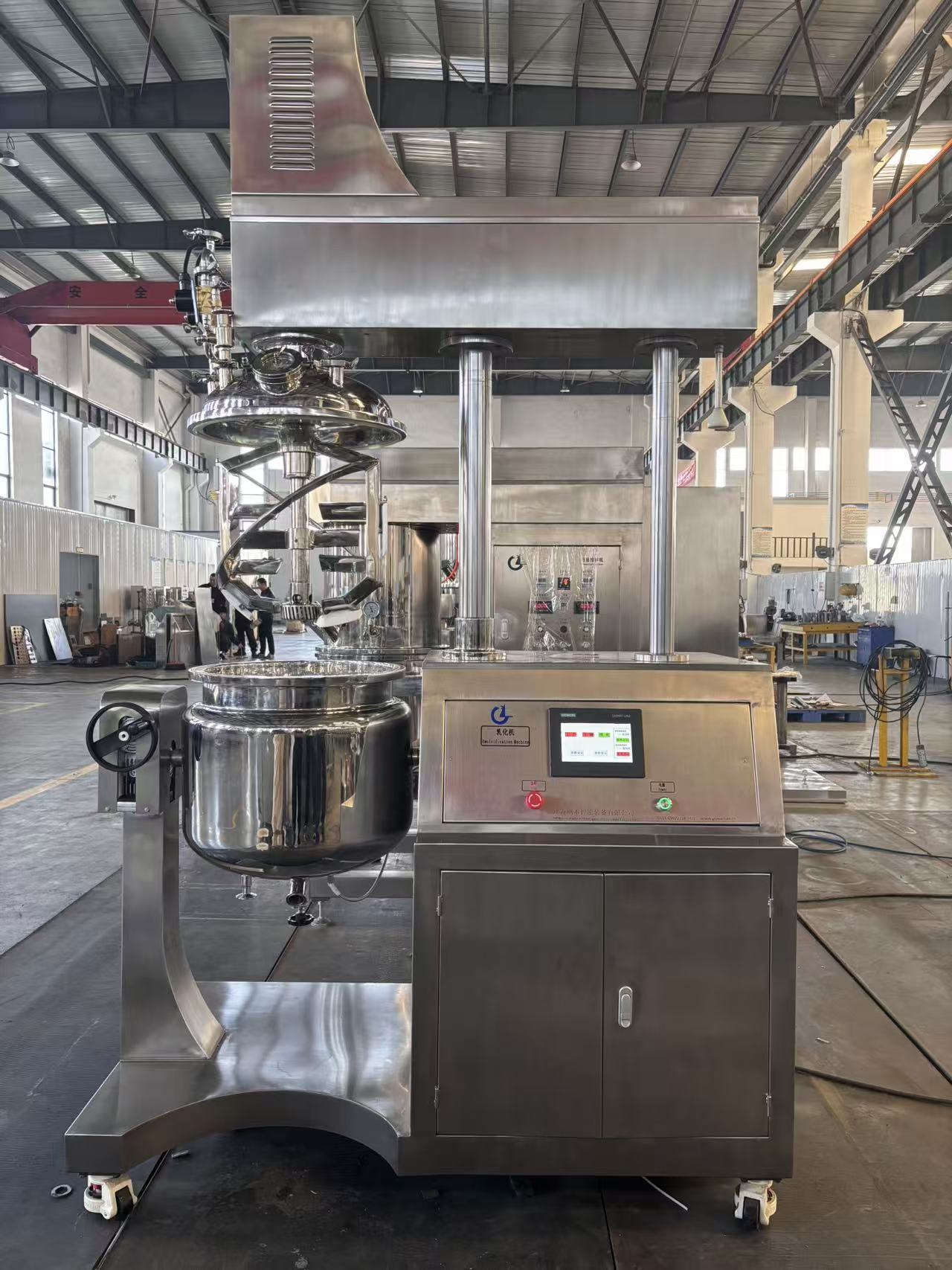 Sep 09,2026
Vacuum Emulsifying Mixer Technological Innovation: Recent Progress and Future Trends
-
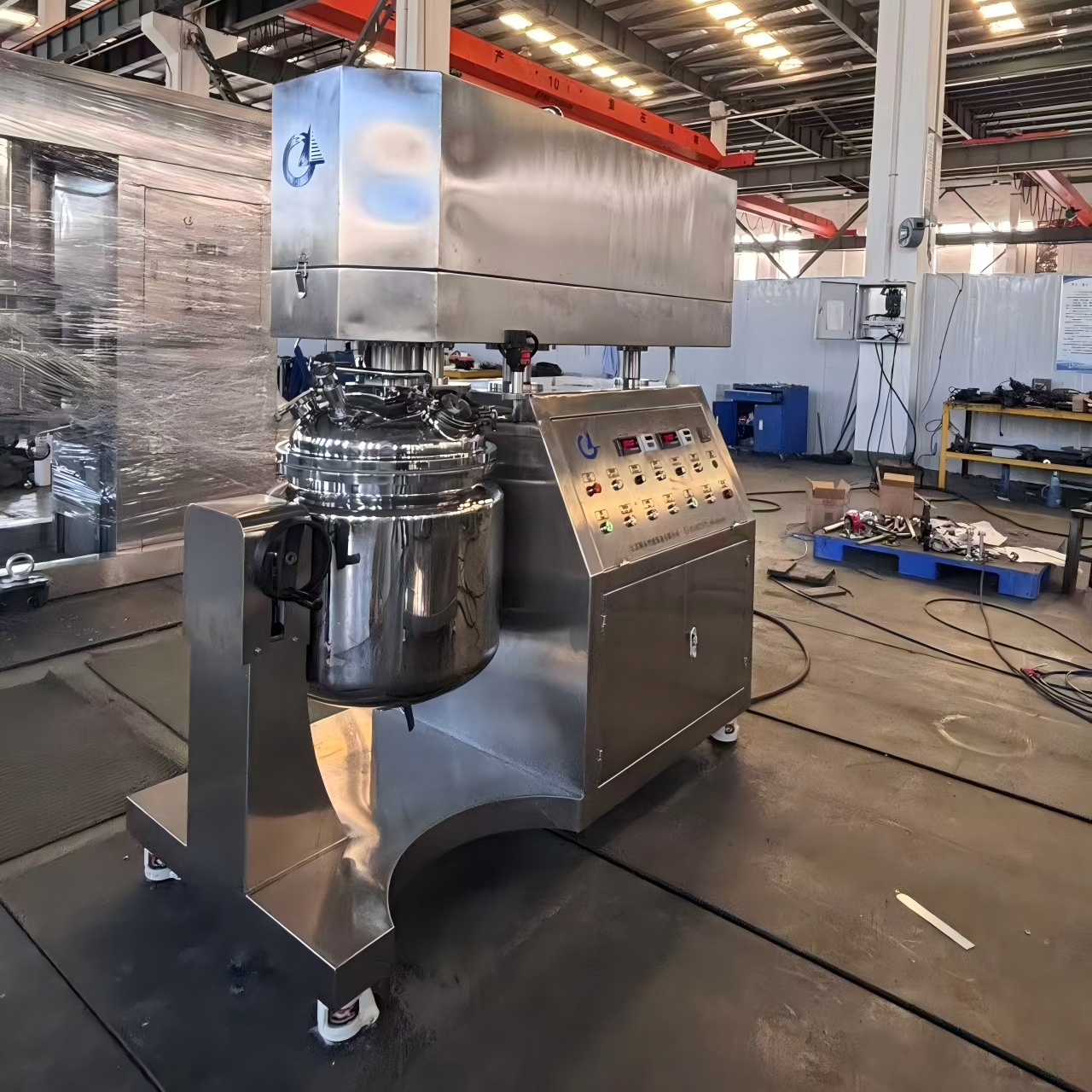 Sep 03,2026
Beyond Ordinary Mixing: How Vacuum Homogenizer Mixers Master Ultra-Fine Emulsification


