

 English
 Russian
 French
 Spanish
 Portuguese
 Korean
 Japanese
 Thai
ThaiGlobal Market Growth 6.5%: How the Vacuum Emulsifying Machine Is Driving Innovation in Liquid Soap and Skincare
The global personal care and liquid soap market is surging forward at a compound annual growth rate of 6.5%, and at the heart of this revolution sits one unsung hero of industrial manufacturing: the vacuum emulsifying machine. As consumers demand silkier textures, longer shelf lives, and cleaner ingredient lists, this precision-engineered device has become the invisible backbone of product innovation — transforming raw formulations into the flawless emulsions that define modern skincare and hygiene.
The Problem No One Talks About: Bubbles, Oxidation, and Instability
Before understanding the solution, one must confront the pain points that have plagued liquid soap and skincare manufacturers for decades.
Traditional mixing methods introduce air into oil-water systems, creating microscopic bubbles invisible to the naked eye. In a face cream, these bubbles manifest as pores, dulling luster and accelerating the oxidation of sensitive actives like Vitamin C. In a liquid soap, they cause phase separation — the product literally falls apart on the shelf. The result? Consumer complaints, costly recalls, and brand reputation in tatters.
A 2026 industry analysis confirms that traditional stirring equipment struggles with high-viscosity materials, nano-scale particle distribution, and sterile-environment processing. The consequences are low shear efficiency, uneven particle size distribution, and poor batch-to-batch consistency — three killers of product quality.
This is precisely where the vacuum emulsifying machine rewrites the rules.
How the Vacuum Emulsifying Machine Works: A Triple-Threat Technology
The vacuum emulsifying machine operates on three synergistic principles that no conventional mixer can replicate:
1. High-Shear Emulsification under Vacuum
The rotor-stator system spins at thousands of RPM, forcing material through a narrow gap where it endures hundreds of thousands of hydraulic shear impacts, centrifugal squeezing, and turbulence events per minute. This shatters oil droplets and active ingredient particles down to micron or even nano-scale — achieving molecular-level fusion between oil and water phases. The result is a silk-smooth emulsion that absorbs instantly on skin.
2. Vacuum Deaeration at -0.08 to -0.1 MPa
By pulling the chamber pressure down to -0.08~-0.1 MPa (or -0.96 barg), the machine eliminates trapped air before it becomes a problem. This dynamic defoaming technology removes bubbles in real time — not after production, as traditional methods require. Industry data shows this approach can shorten face cream production cycles by over 40% while eliminating the need for anti-foaming agents that may irritate sensitive skin.
3. Intelligent Temperature Control at ±0.5°C Precision
Equipped with jacketed heating/cooling systems and fuzzy PID algorithms, the vacuum emulsifying machine maintains temperatures between 20°C and 140°C with accuracy within ±0.5°C. This protects thermally sensitive actives — a non-negotiable requirement for modern skincare formulations where ingredients like PDRN (polydeoxyribonucleotide) and plant extracts demand gentle handling.
Driving Innovation in Liquid Soap: From Artisan to Industrial Scale
The global natural plant-based handmade soap market alone reached
361millionin2023andisprojectedtohit
451 million by 2030, growing at a 3.1% CAGR. But the real explosion is happening in liquid soap — where the vacuum emulsifying machine enables manufacturers to scale artisan-quality formulas without sacrificing texture.
Consider the challenge: liquid soap must balance surfactant concentration, natural oil content, and botanical extracts into a stable, pourable product. Without vacuum processing, oxidation turns natural oils rancid within weeks. With the vacuum emulsifying machine, manufacturers achieve:
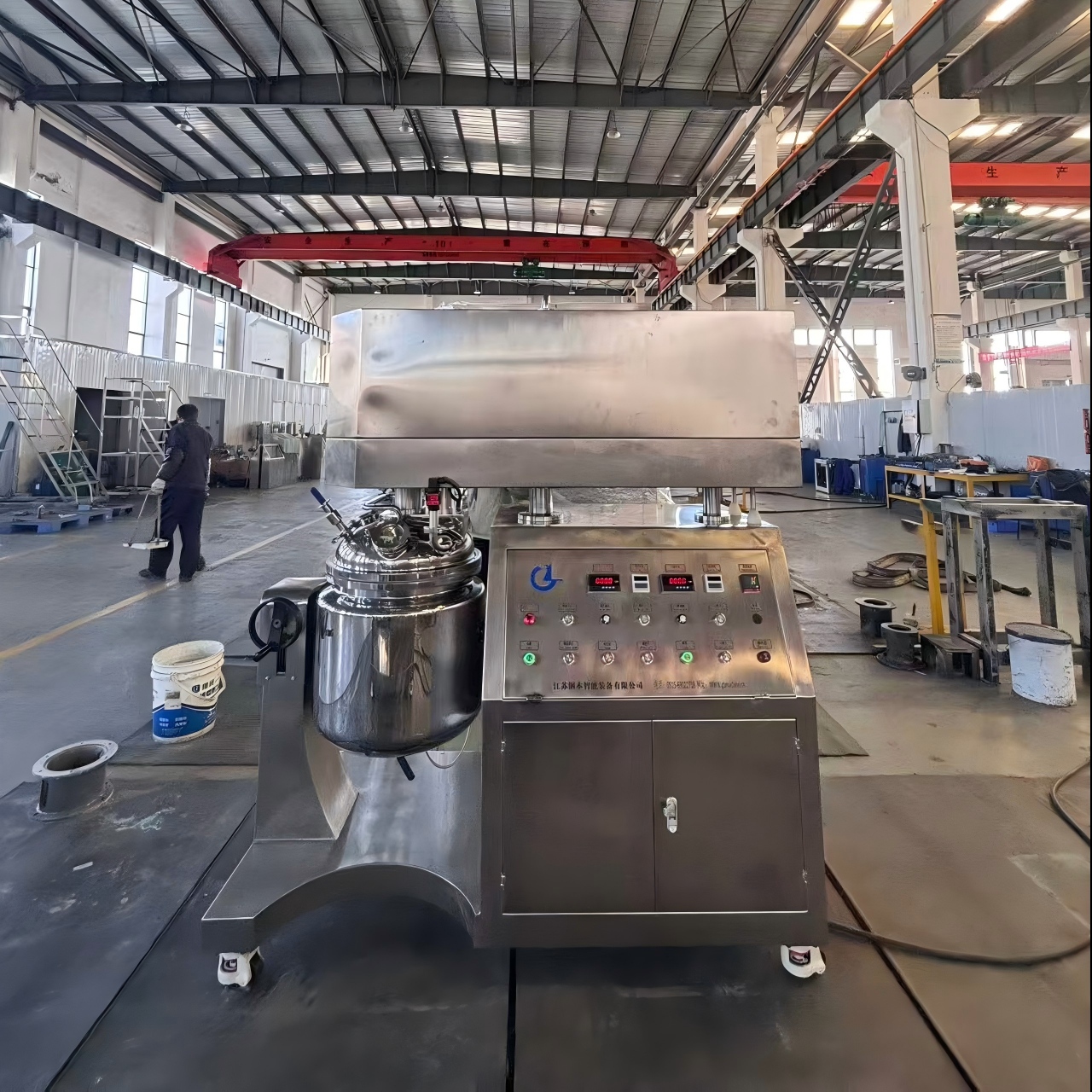
Bubble-free formulations that pour cleanly and feel luxurious
Extended shelf life through oxygen exclusion during processing
Uniform active distribution — every milliliter delivers the same concentration of plant extracts
A 2024 case study demonstrated that a single vacuum emulsifying machine could produce a batch of mayonnaise-grade emulsion in just 10 minutes — a testament to the speed and efficiency modern manufacturers now demand.
Powering the Skincare Revolution: Where Precision Meets Performance
The skincare industry in 2026 is defined by one word: precision. Consumers no longer accept "good enough." They want serums with nano-scale active delivery, creams with zero pore-clogging risk, and products where every ingredient performs as promised.
The vacuum emulsifying machine delivers on all three fronts:
Skincare Challenge How Vacuum Emulsifying Machine Solves It
Visible pores in cream Vacuum at -0.1 MPa eliminates micro-bubbles at source
Phase separation in serums High-shear rotor-stator achieves molecular-level fusion
Active ingredient degradation ±0.5°C fuzzy PID control protects thermally sensitive compounds
Inconsistent batch quality PLC + HMI smart control stores and reproduces exact process parameters
High-viscosity formula sticking to walls 360° wall-scraping agitator prevents adhesion and ensures uniformity
Recent industry reports highlight that 2025 saw PDRN — once confined to medical aesthetics — leap into mainstream skincare, appearing in everything from serums to budget-friendly lotions under 100 yuan. This ingredient, along with a wave of new bioactive compounds, demands the kind of precision emulsification that only a vacuum emulsifying machine can provide.
The 6.5% Growth Engine: Why This Market Won't Slow Down
The 6.5% global growth rate is not accidental. It is fueled by three converging forces:
First, the shift from "good enough" to "clinically elegant." Consumers in both developed and emerging markets now read ingredient lists. They demand transparency, stability, and visible results — all of which require emulsion quality that only vacuum technology can guarantee.
Second, the rise of smart manufacturing. Modern vacuum emulsifying machine systems integrate PLC controllers, HMI touchscreens, and frequency-variable drives that allow real-time parameter adjustment. Formula data can be stored, replicated, and transferred from lab to production line — enabling what the industry calls "seamless scale-up."
Third, regulatory pressure. As GMP, FDA, and EU compliance standards tighten, manufacturers must prove batch consistency and process traceability. The vacuum emulsifying machine's automated logging and CIP (clean-in-place) capabilities make compliance not a burden but a built-in feature.
From Laboratory to Production Line: One Machine, Every Scale
One of the most compelling advantages of the modern vacuum emulsifying machine is its scalability. Current product lines span from 5L laboratory units to 10,000L+ industrial systems — all sharing the same core architecture.
Lab scale (5L–50L): Formula R&D, small-batch custom production, active ingredient testing
Pilot scale (50L–500L): Process validation, regulatory sample production
Industrial scale (500L–10,000L+): Full commercial manufacturing with CIP/SIP capability
This modular approach means a brand can develop a serum in a lab vacuum emulsifying machine and scale it to mass production on the identical platform — eliminating the costly reformulation that plagues brands using disconnected equipment.
The Future: Intelligence, Sustainability, and Beyond
Looking ahead, the vacuum emulsifying machine is evolving along three critical trajectories:
Digital Twin Integration — Cloud-based simulation of emulsification processes, allowing R&D teams to optimize parameters before a single batch is produced.
Modular Design — Future systems may consist of freely combinable modules rather than fixed volumes, enabling rapid formula switching and flexible capacity.
Green Manufacturing — Energy-efficient fuzzy PID control and closed-loop vacuum systems reduce both power consumption and material waste, aligning with the industry's sustainability mandates.
Final Verdict
The 6.5% growth rate is not just a number — it is a mandate for quality. In an era where a single bad batch can destroy a brand's reputation overnight, the vacuum emulsifying machine is no longer a luxury. It is the minimum standard for any company serious about liquid soap or skincare innovation.
News
- Latest News
- Solutions
- FAQ
Recommend Products
-
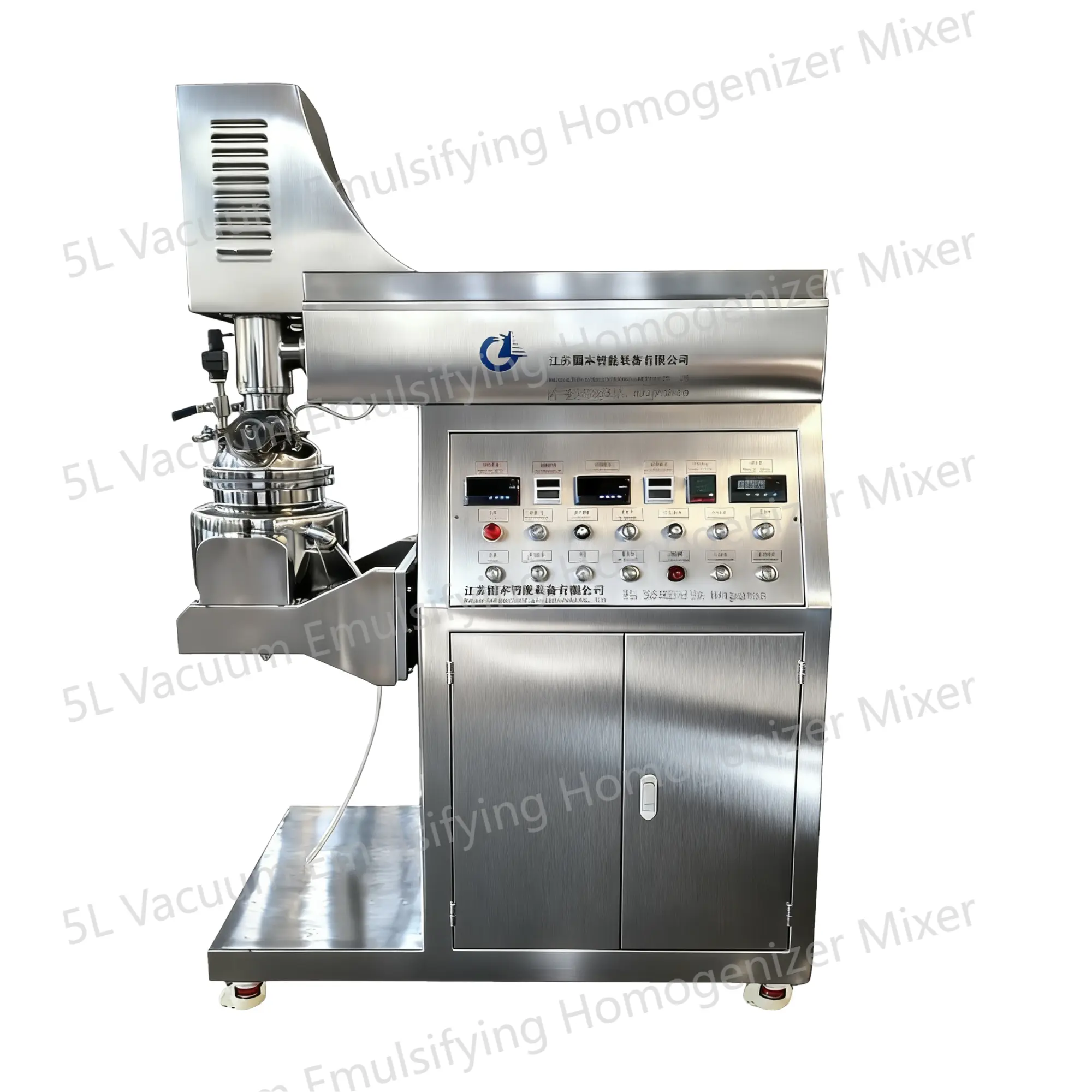 5L Vacuum Emulsifying Homogenizer Mixer
The 5L vacuum emulsifying mixer is a device designed for emulsifying and mixing various substances in a vacuum environment. This equipment is equipped with a mixing tank with a capacity of 5 liters and is widely applied in industries such as food, pharmaceuticals, cosmetics, and pesticides.
-
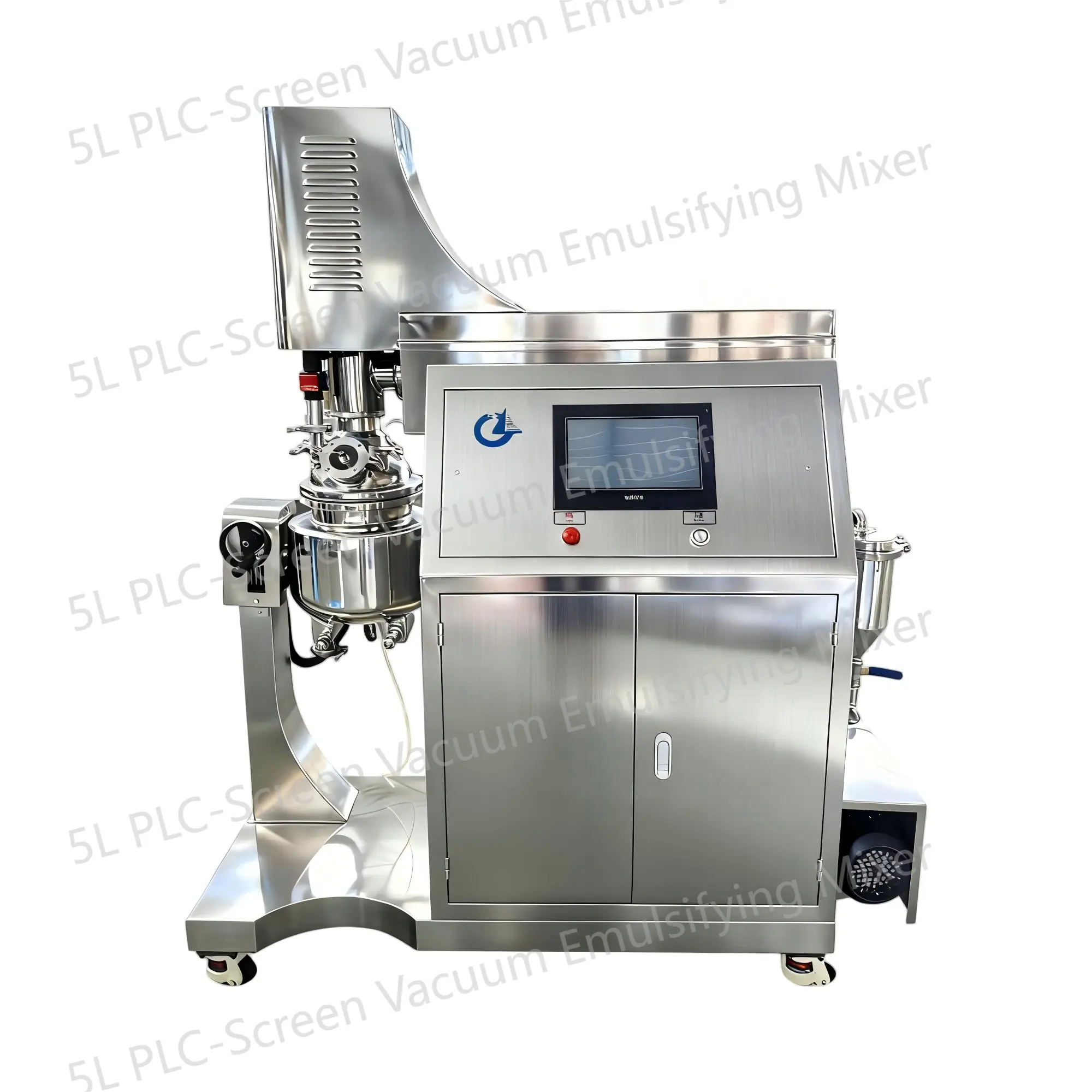 5L PLC-Screen Vacuum Emulsifying Mixer
The 5L PLC-Screen Vacuum Emulsifying Mixer is a device designed for emulsifying and mixing various substances in a vacuum environment. This equipment is equipped with a mixing tank with a capacity of 5 liters and is widely applied in industries such as food, pharmaceuticals, cosmetics, and pesticides.
-
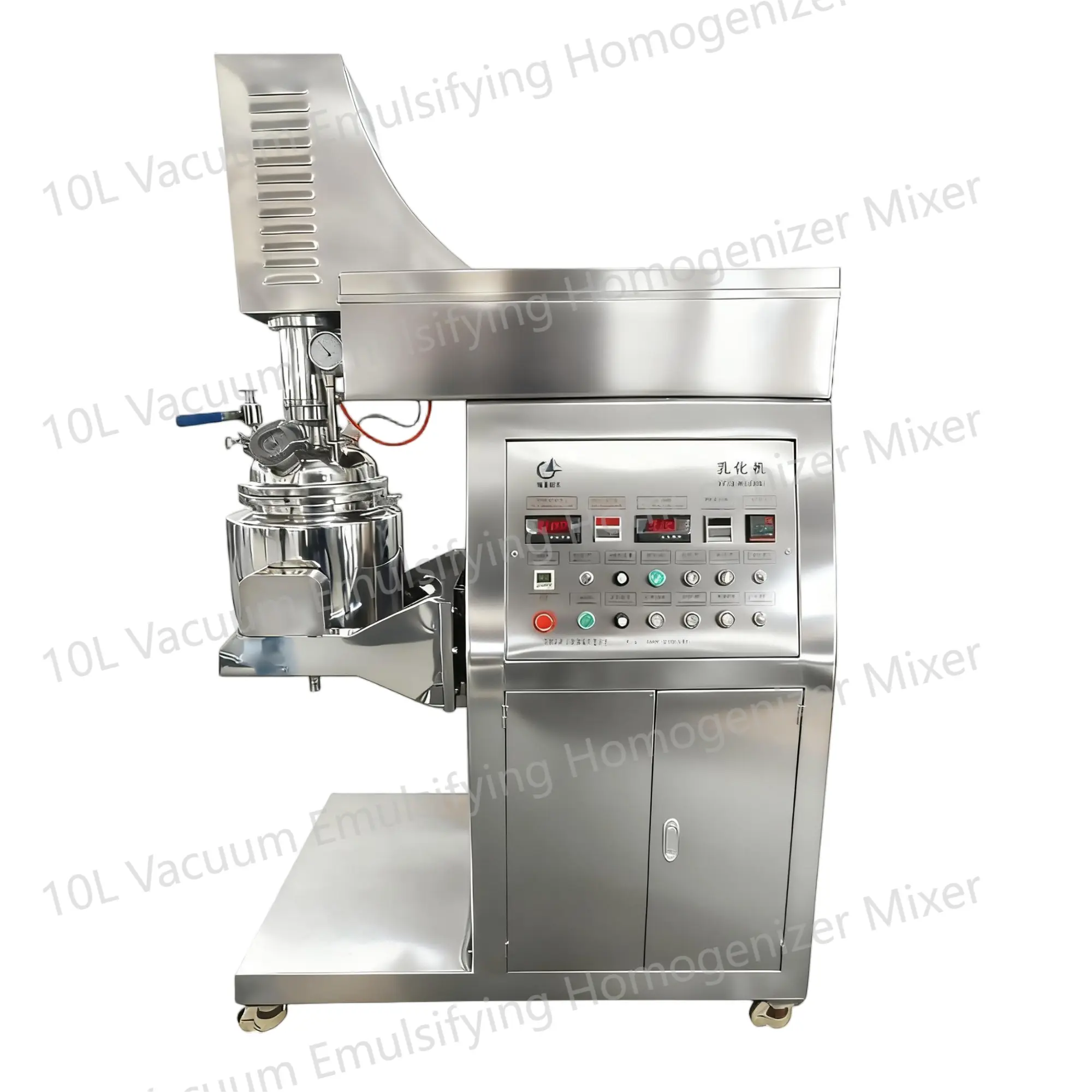 10L Vacuum Emulsifying Homogenizer Mixer
The 10L Vacuum Emulsifying Mixer is a device used for emulsifying and mixing various substances in a vacuum environment. It is commonly used in industries such as food, cosmetics, and pharmaceuticals.
Recommend Faq
-
 Sep 09,2026
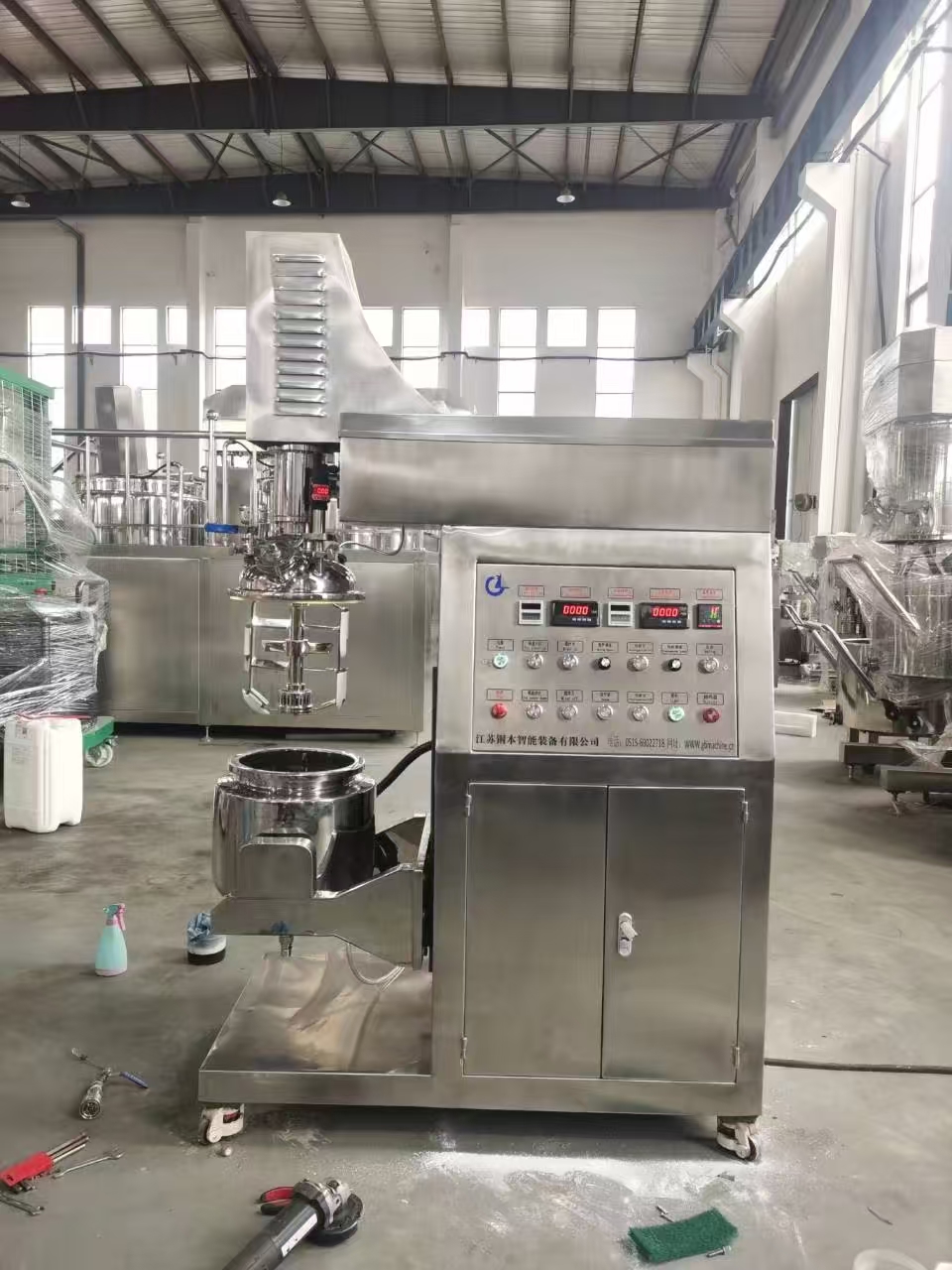
Scalable Production: Full-Range Vacuum Emulsifying Mixers from 5L Lab Scale to 2000L Industrial Capacity
-
 Sep 09,2026
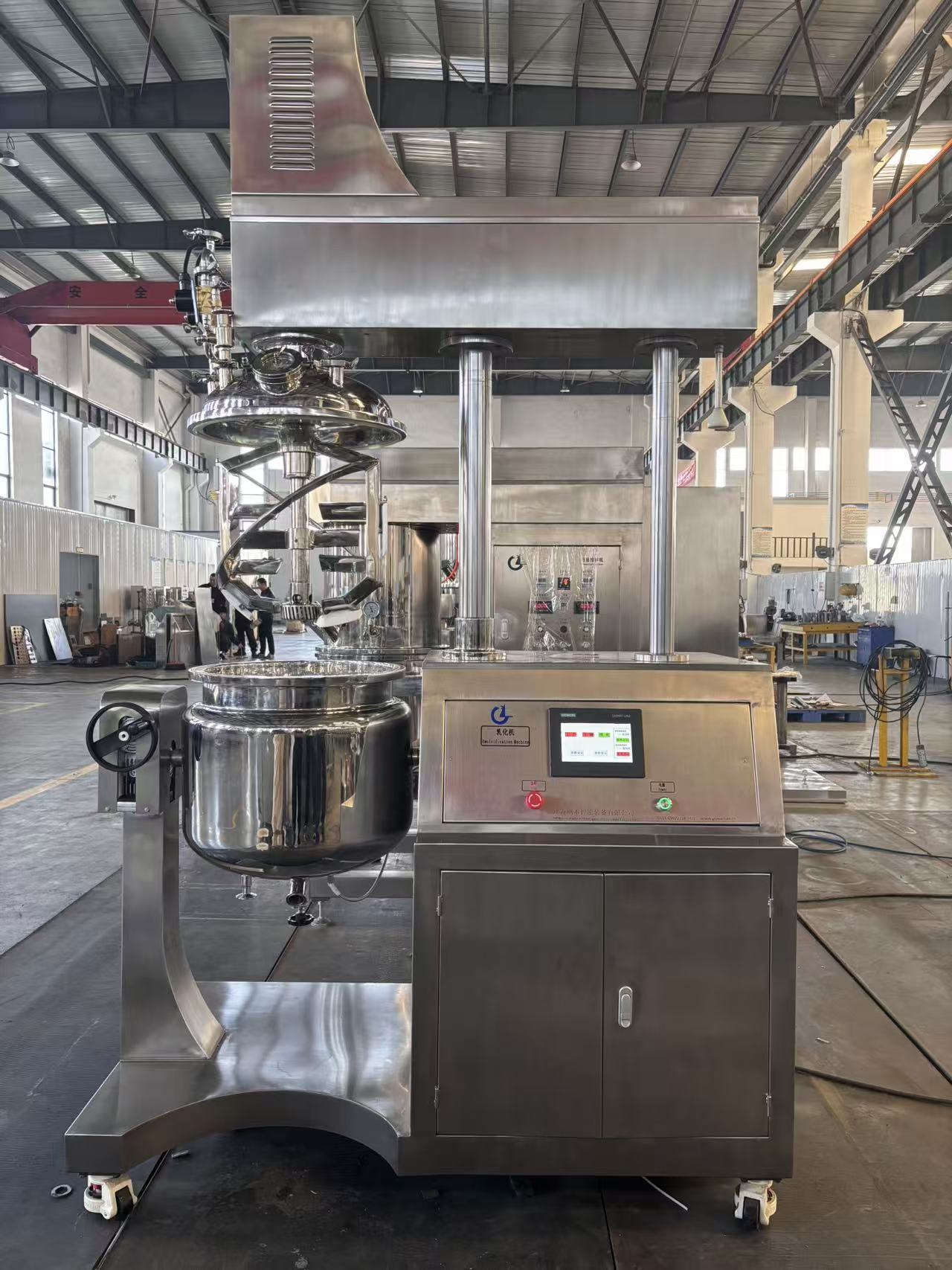
Vacuum Emulsifying Mixer Technological Innovation: Recent Progress and Future Trends
-
 Sep 03,2026
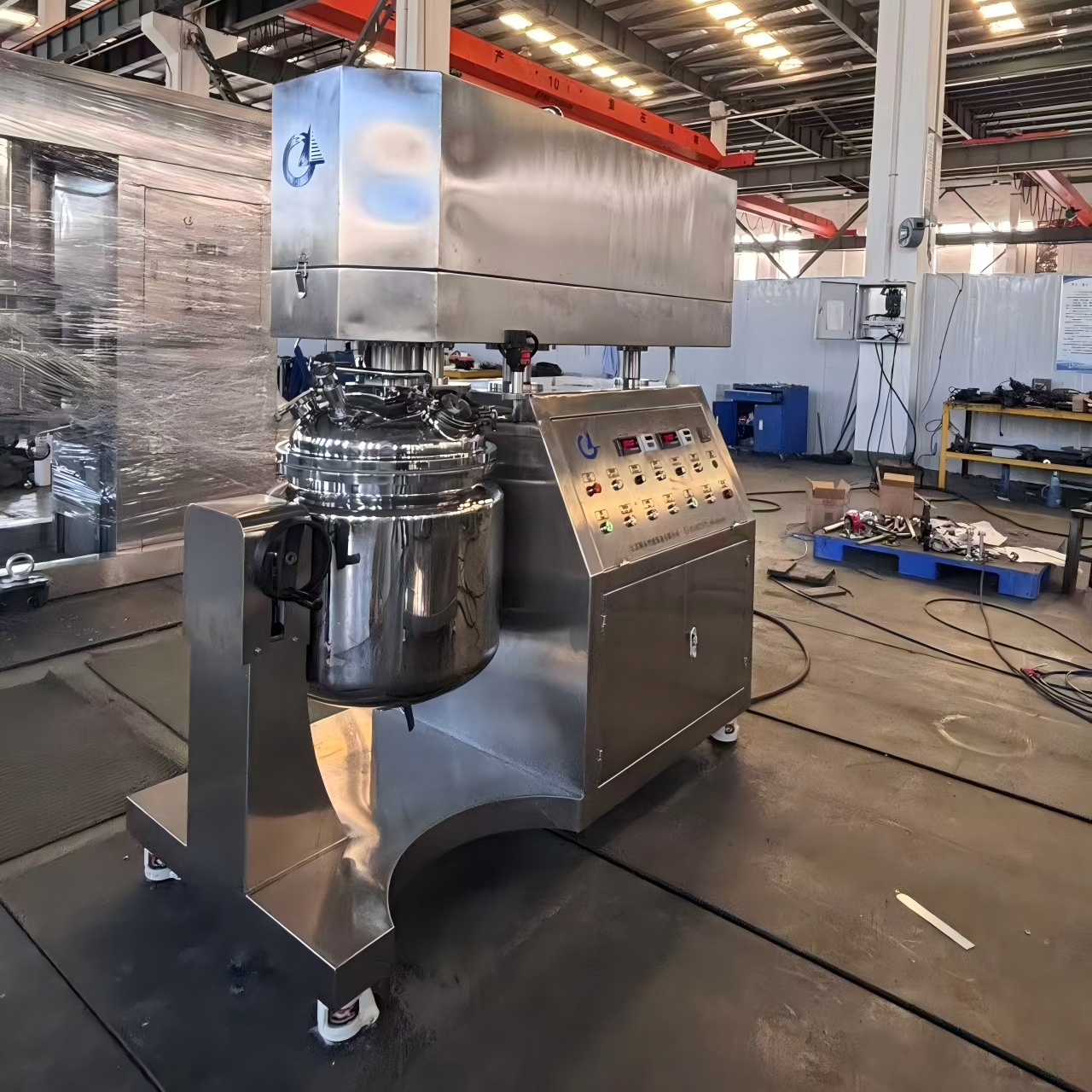
Beyond Ordinary Mixing: How Vacuum Homogenizer Mixers Master Ultra-Fine Emulsification


