

 English
 Russian
 French
 Spanish
 Portuguese
 Korean
 Japanese
 Thai
ThaiGMP Certification vs. Ordinary Models: Core Differences of Medical-Grade Vacuum Emulsifiers
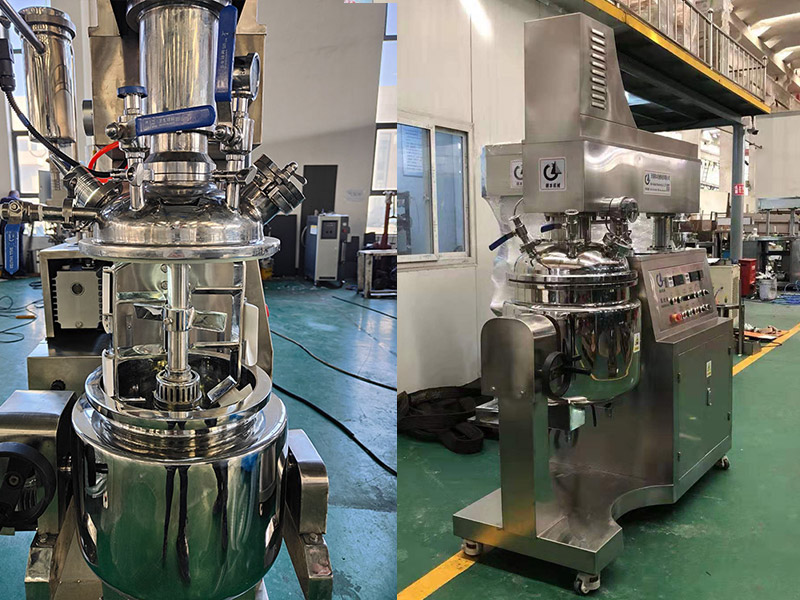
In the pharmaceutical and medical industries, the production of high-quality emulsions—such as creams, ointments, and drug delivery gels—requires precision equipment that meets stringent safety and quality standards. Among these, vacuum emulsifiers play a pivotal role by combining vacuum deaeration, high-shear mixing, and temperature control to ensure stable, uniform, and sterile products. However, not all vacuum emulsifiers are created equal. The distinction between GMP-certified medical-grade models and ordinary industrial-grade machines lies in their design, materials, functionality, and compliance with regulatory requirements. This article explores these core differences, drawing insights from industry leaders like Jiangsu GangBen Mixer Manufacturer and global benchmarks in pharmaceutical machinery.
1. Material Selection: Corrosion Resistance vs. Basic Durability
GMP-certified vacuum emulsifiers prioritize hygienic and corrosion-resistant materials to prevent contamination and ensure long-term durability in sterile environments. For instance, LIENM, a manufacturer with 20+ patents and GMP/ISO/CE certifications, uses SUS316L stainless steel for all product-contact surfaces. This grade of steel is polished to a mirror finish (Ra≤0.4μm), meeting pharmaceutical standards for cleanliness and chemical resistance.
In contrast, ordinary industrial-grade emulsifiers may use SUS304 stainless steel or even coated carbon steel, which are less resistant to corrosion from acidic or alkaline formulations. While cost-effective, these materials risk contaminating sensitive medical products and shortening equipment lifespan.
Jiangsu GangBen’s Approach:
As a specialist in packaging machinery, GangBen integrates GMP-compliant materials into its vacuum emulsifiers, ensuring compatibility with pharmaceutical-grade formulations. Their machines are designed to withstand rigorous cleaning protocols (CIP/SIP) without degrading, a critical feature for sterile production.
2. Vacuum System: Bubble-Free Precision vs. Basic Deaeration
The vacuum system is the heart of an emulsifier, as it removes air bubbles that destabilize emulsions and accelerate oxidation. GMP-certified models achieve ultra-high vacuum levels (≤-0.09 MPa), ensuring complete deaeration for particle sizes as small as sub-micron levels. This precision is vital for pharmaceutical creams requiring a smooth texture and consistent active ingredient distribution.
Ordinary emulsifiers may offer basic vacuum functionality but often fail to reach the same deaeration efficiency, leading to unstable emulsions with visible air pockets. For example, a 5L lab-scale GMP emulsifier can achieve bubble-free mixing, whereas a non-certified 20L model might leave residual air, compromising product quality.
Jiangsu GangBen’s Innovation:
GangBen’s vacuum emulsifiers incorporate advanced vacuum pumps and sealing systems to maintain sterile conditions during production. Their machines are tested to handle high-viscosity materials like medical ointments without air ingress, a feature validated by partnerships with global pharmaceutical brands.
3. Temperature Control: Narrow Tolerance vs. Broad Range
Pharmaceutical emulsions often require precise temperature management to prevent degradation of heat-sensitive ingredients (e.g., proteins, vitamins). GMP-certified emulsifiers feature PID-controlled heating/cooling systems with tolerances as tight as ±1°C, ensuring optimal emulsification conditions.
Ordinary models may rely on manual temperature adjustments or less accurate thermostats, risking overheating or incomplete mixing. For instance, a non-GMP 100L emulsifier might fluctuate by ±5°C, altering the viscosity and stability of a medical gel.
Jiangsu GangBen’s Solution:
GangBen’s emulsifiers integrate dual-zone temperature control (jacket and inner tank) with real-time monitoring via PLC touchscreens. This level of precision is critical for producing sterile injectables or transdermal patches, where temperature deviations can render batches non-compliant.
4. Cleanability & Sanitization: CIP/SIP Compliance vs. Manual Cleaning
GMP standards mandate Clean-in-Place (CIP) and Sterilize-in-Place (SIP) capabilities to eliminate cross-contamination risks. GMP-certified emulsifiers feature crevice-free designs, electropolished surfaces, and automated cleaning protocols that reduce human error and downtime.
Ordinary machines often require manual disassembly and scrubbing, increasing the risk of microbial contamination. For example, a non-GMP 500L emulsifier might need 4–6 hours of manual cleaning between batches, whereas a GMP-compliant model completes CIP/SIP in under 2 hours.
Jiangsu GangBen’s Commitment:
GangBen’s vacuum emulsifiers are engineered with GMP-compliant hygienic designs, including sloped tanks for drainage, sanitary fittings, and CIP/SIP-ready piping. Their machines are validated to
News
- Latest News
- Solutions
- FAQ
Recommend Products
-
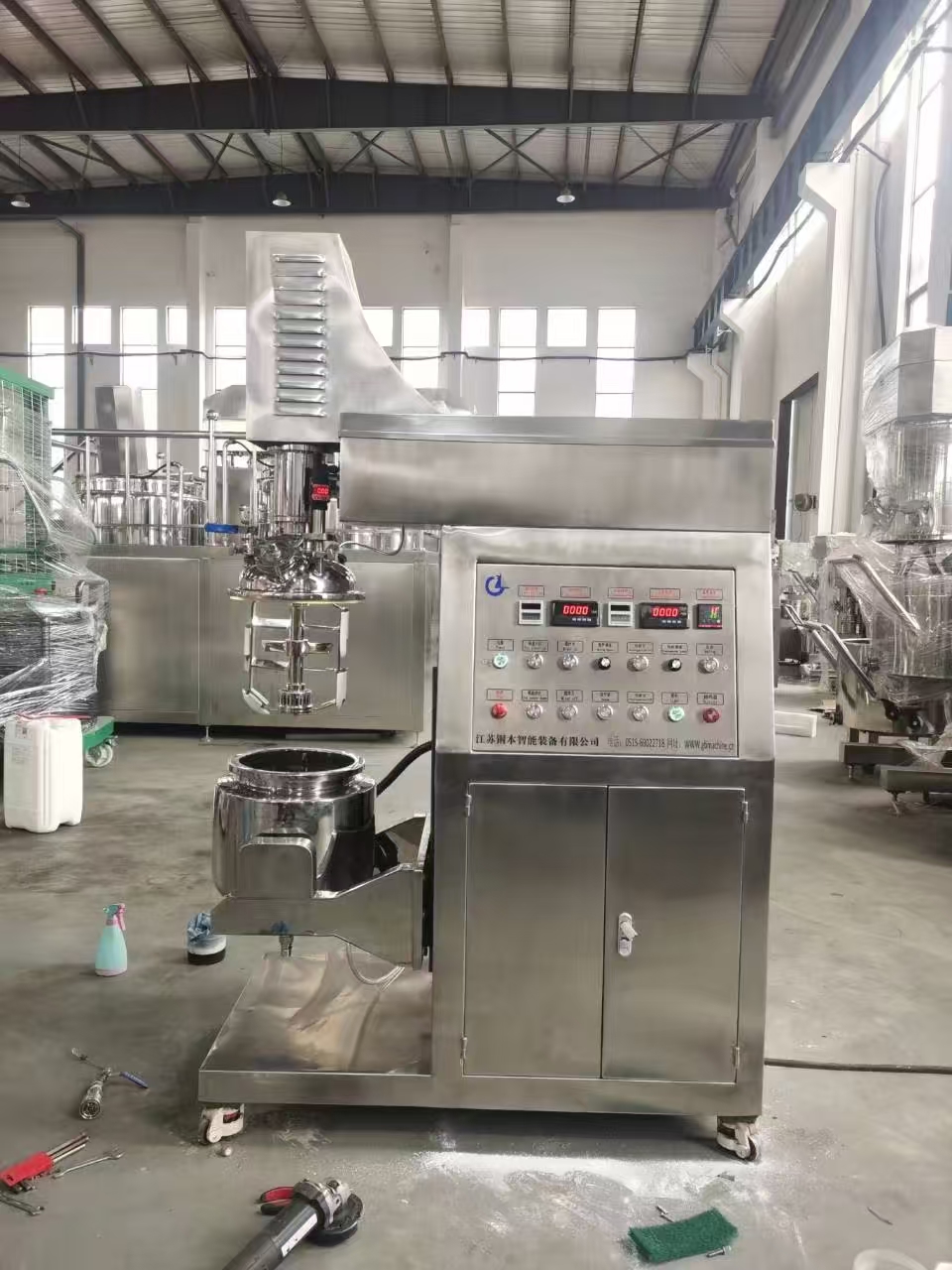
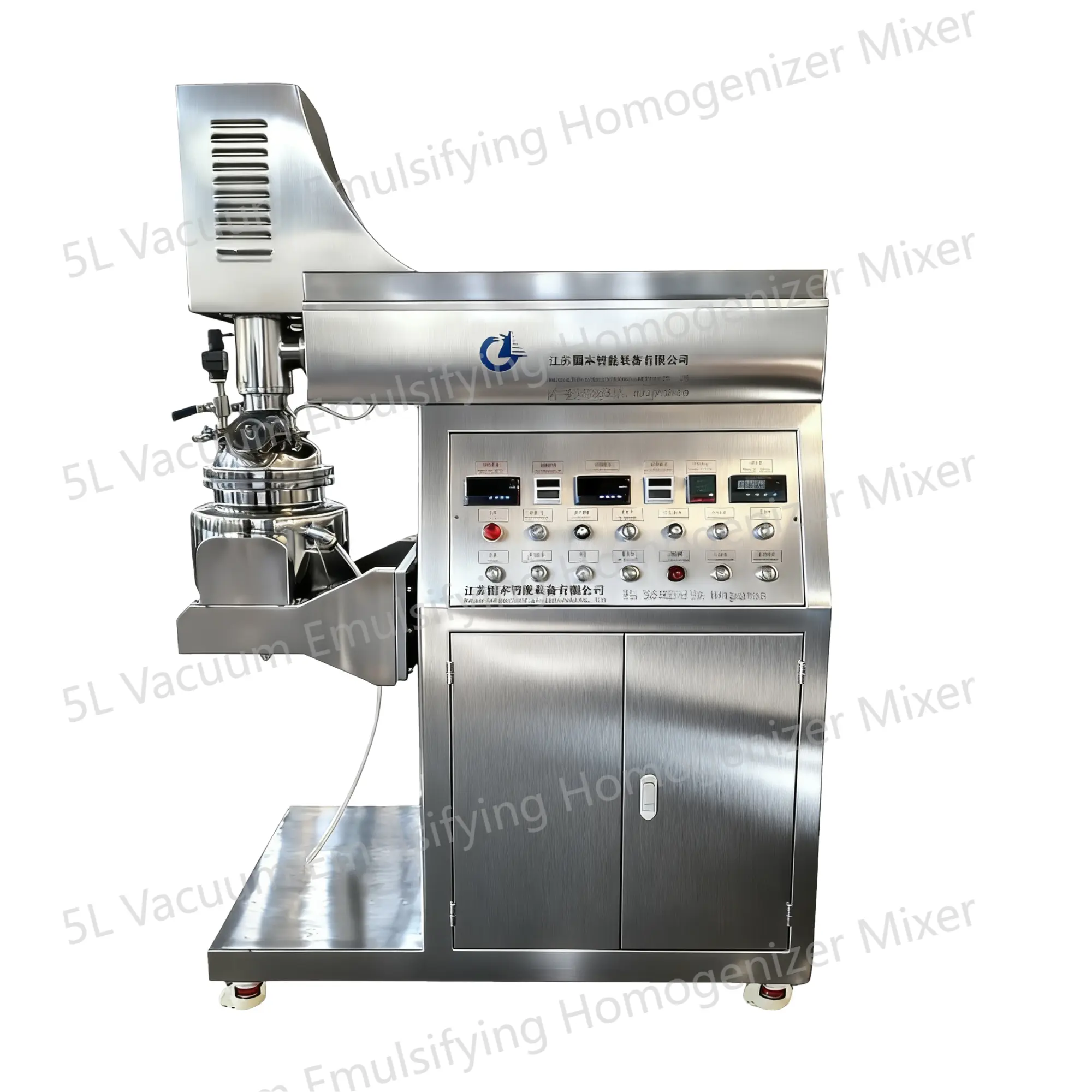 5L Vacuum Emulsifying Homogenizer Mixer
The 5L vacuum emulsifying mixer is a device designed for emulsifying and mixing various substances in a vacuum environment. This equipment is equipped with a mixing tank with a capacity of 5 liters and is widely applied in industries such as food, pharmaceuticals, cosmetics, and pesticides.
-
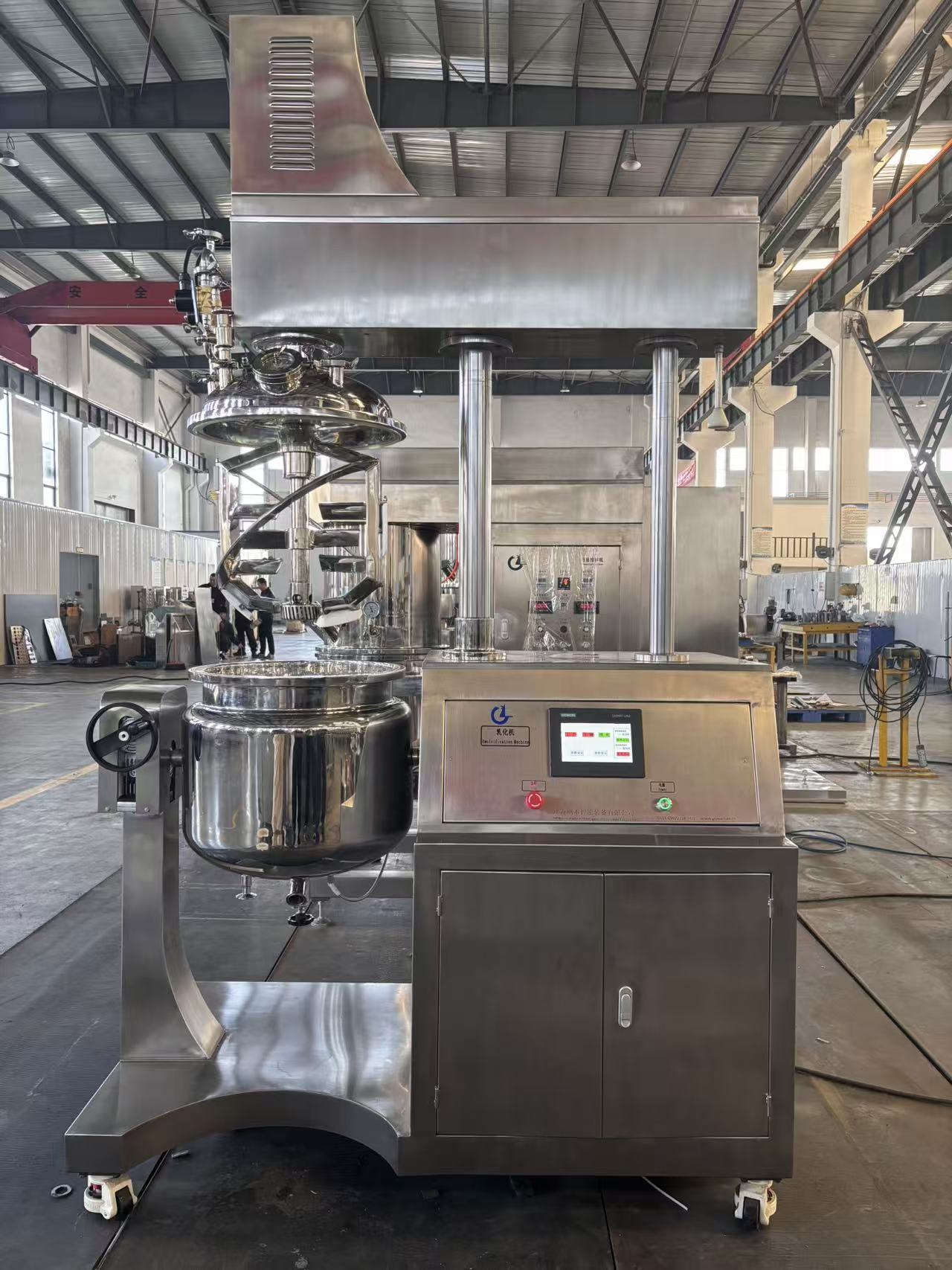
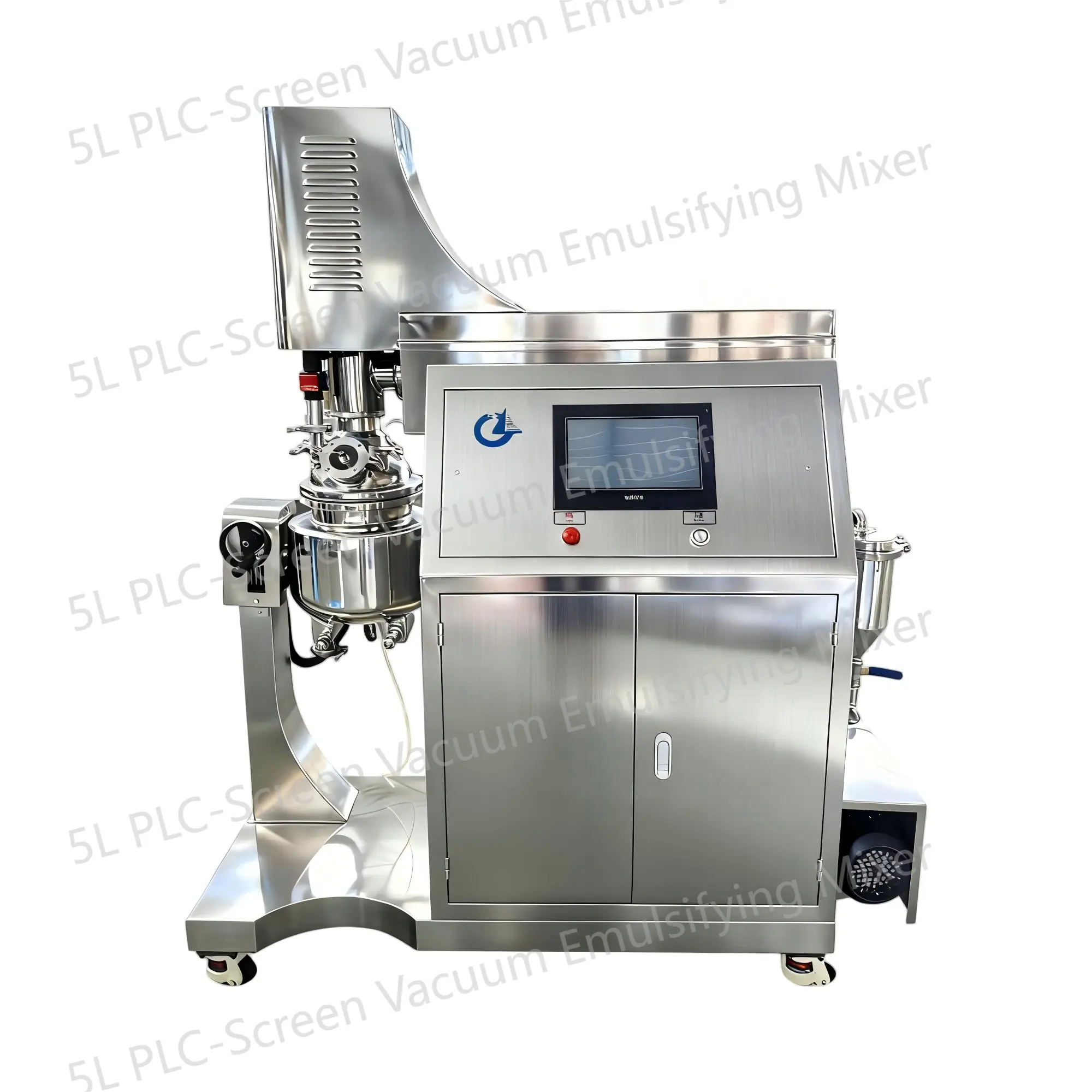 5L PLC-Screen Vacuum Emulsifying Mixer
The 5L PLC-Screen Vacuum Emulsifying Mixer is a device designed for emulsifying and mixing various substances in a vacuum environment. This equipment is equipped with a mixing tank with a capacity of 5 liters and is widely applied in industries such as food, pharmaceuticals, cosmetics, and pesticides.
-
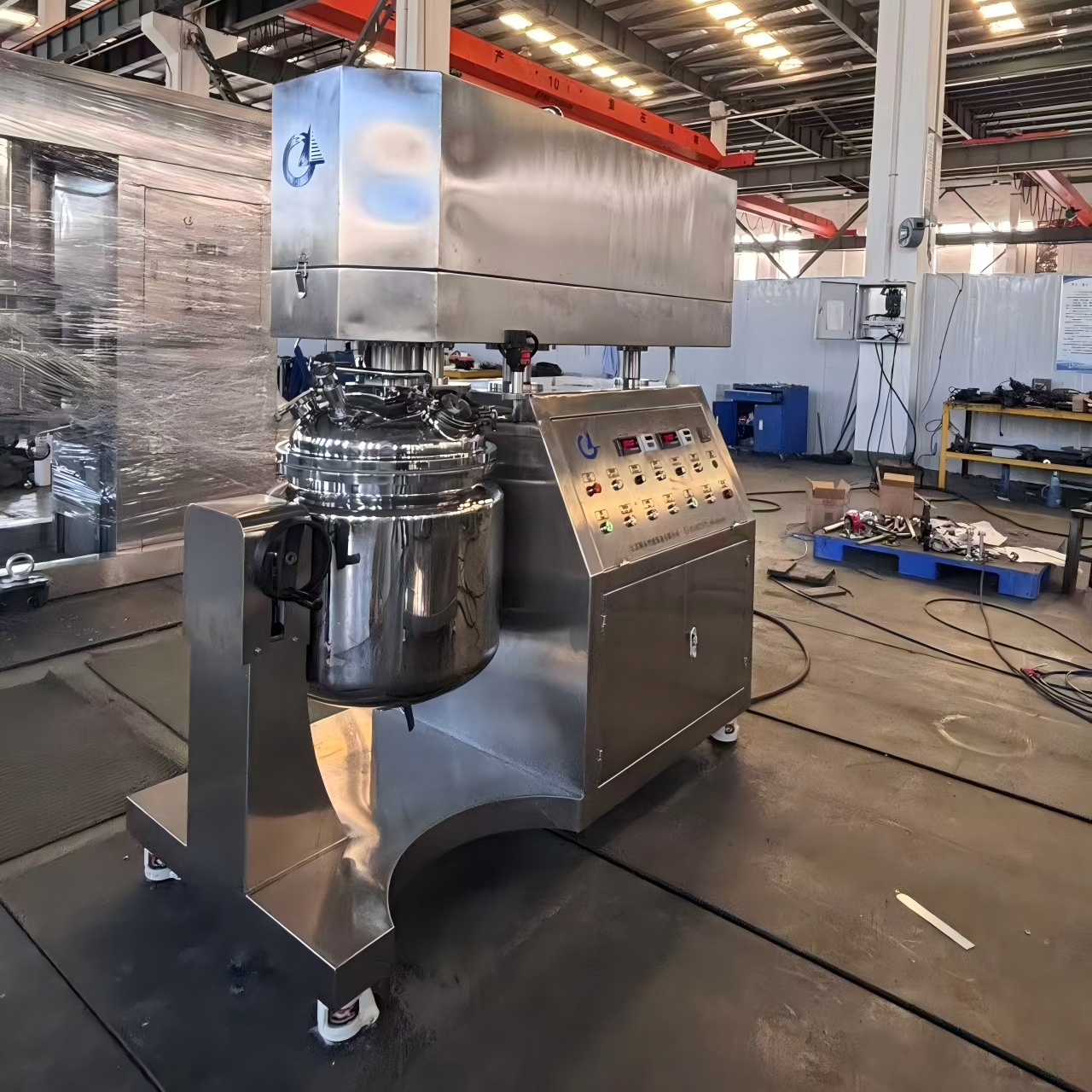
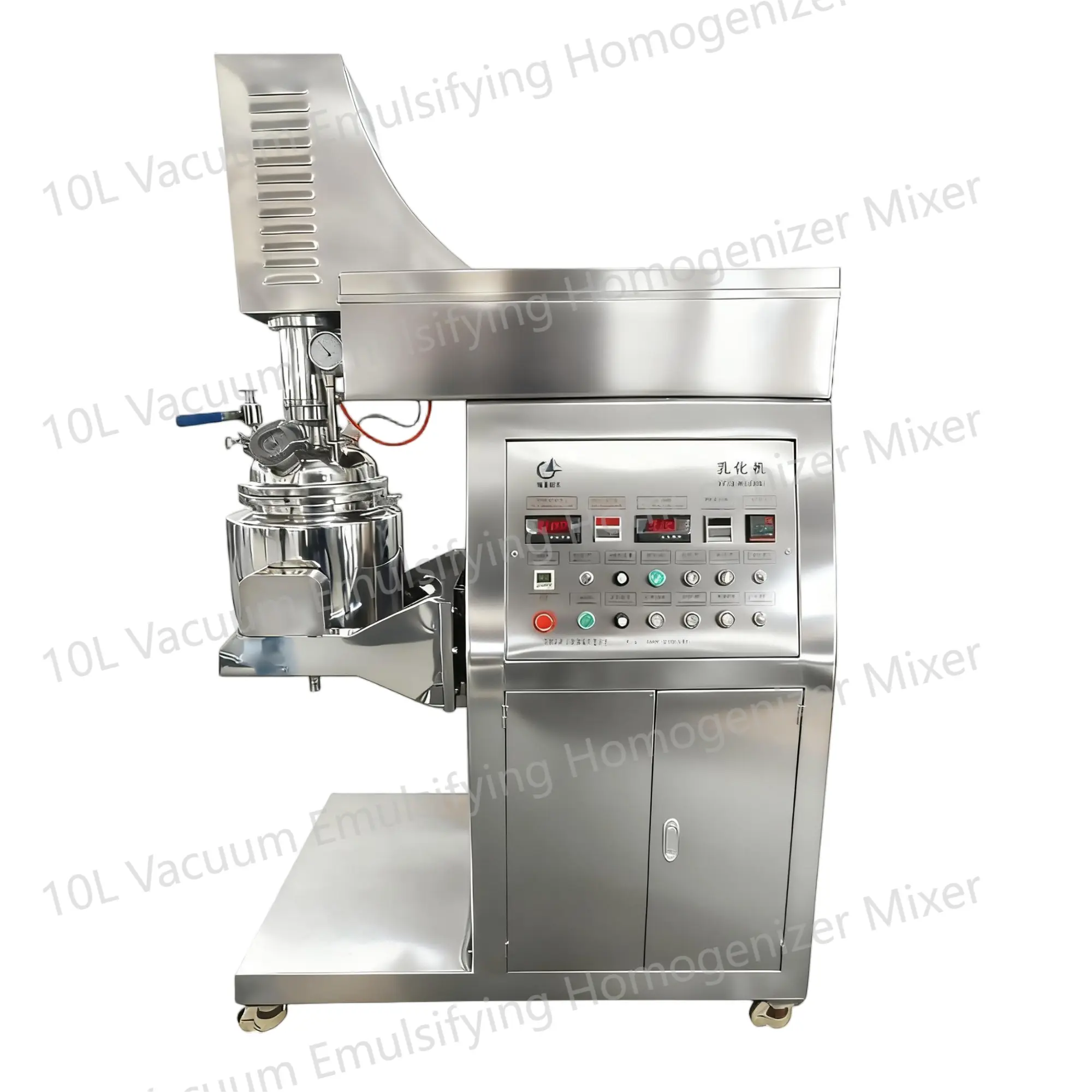 10L Vacuum Emulsifying Homogenizer Mixer
The 10L Vacuum Emulsifying Mixer is a device used for emulsifying and mixing various substances in a vacuum environment. It is commonly used in industries such as food, cosmetics, and pharmaceuticals.
Recommend Faq
-
 Sep 09,2026
Scalable Production: Full-Range Vacuum Emulsifying Mixers from 5L Lab Scale to 2000L Industrial Capacity
-
 Sep 09,2026
Vacuum Emulsifying Mixer Technological Innovation: Recent Progress and Future Trends
-
 Sep 03,2026
Beyond Ordinary Mixing: How Vacuum Homogenizer Mixers Master Ultra-Fine Emulsification


