
 English
 Russian
 French
 Spanish
 Portuguese
 Korean
 Japanese
 Thai
ThaiTransforming Manufacturing Efficiency: A 70% Reduction in Processing Time Enabled by Vacuum Homogenizer Mixers
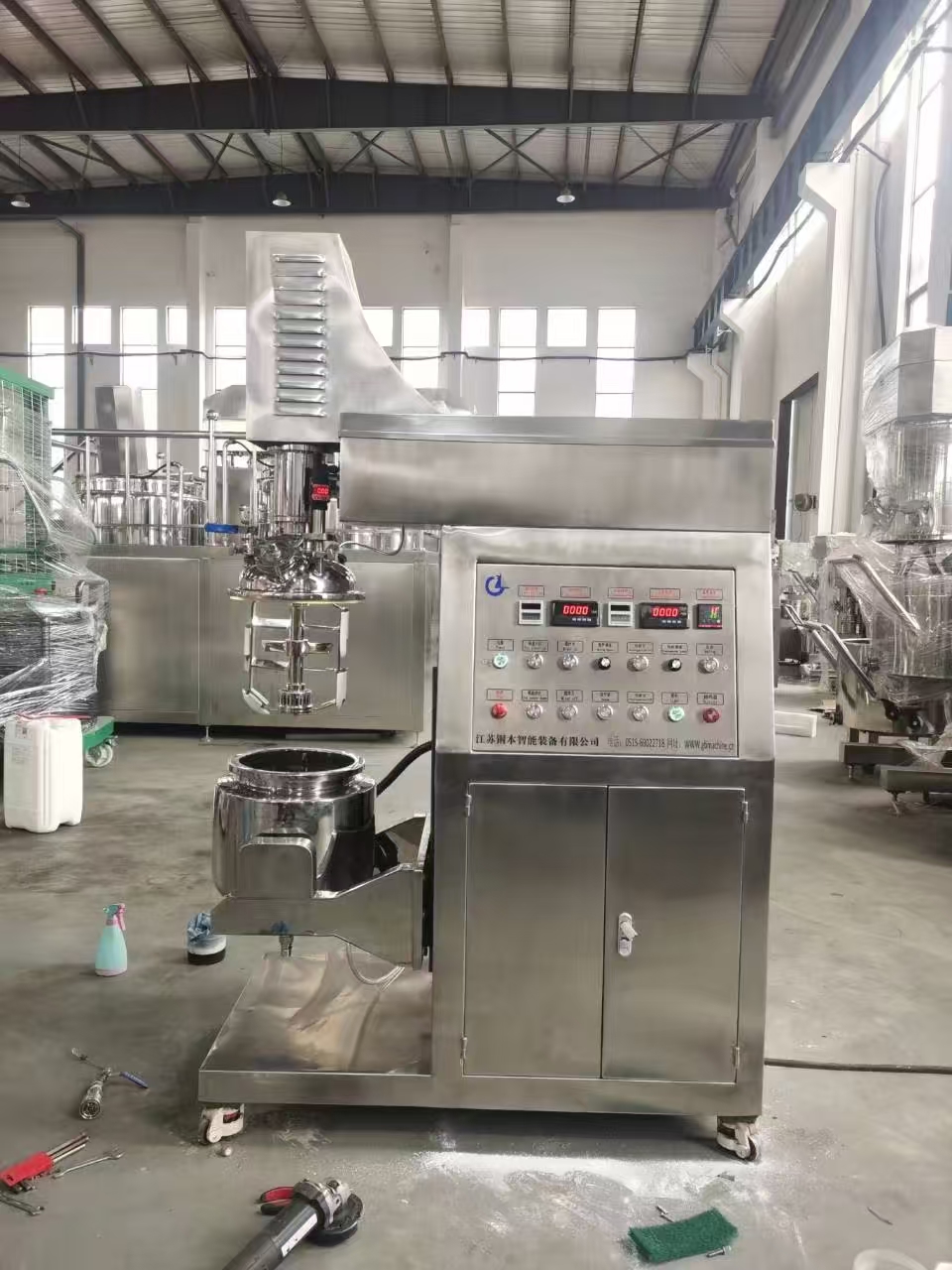
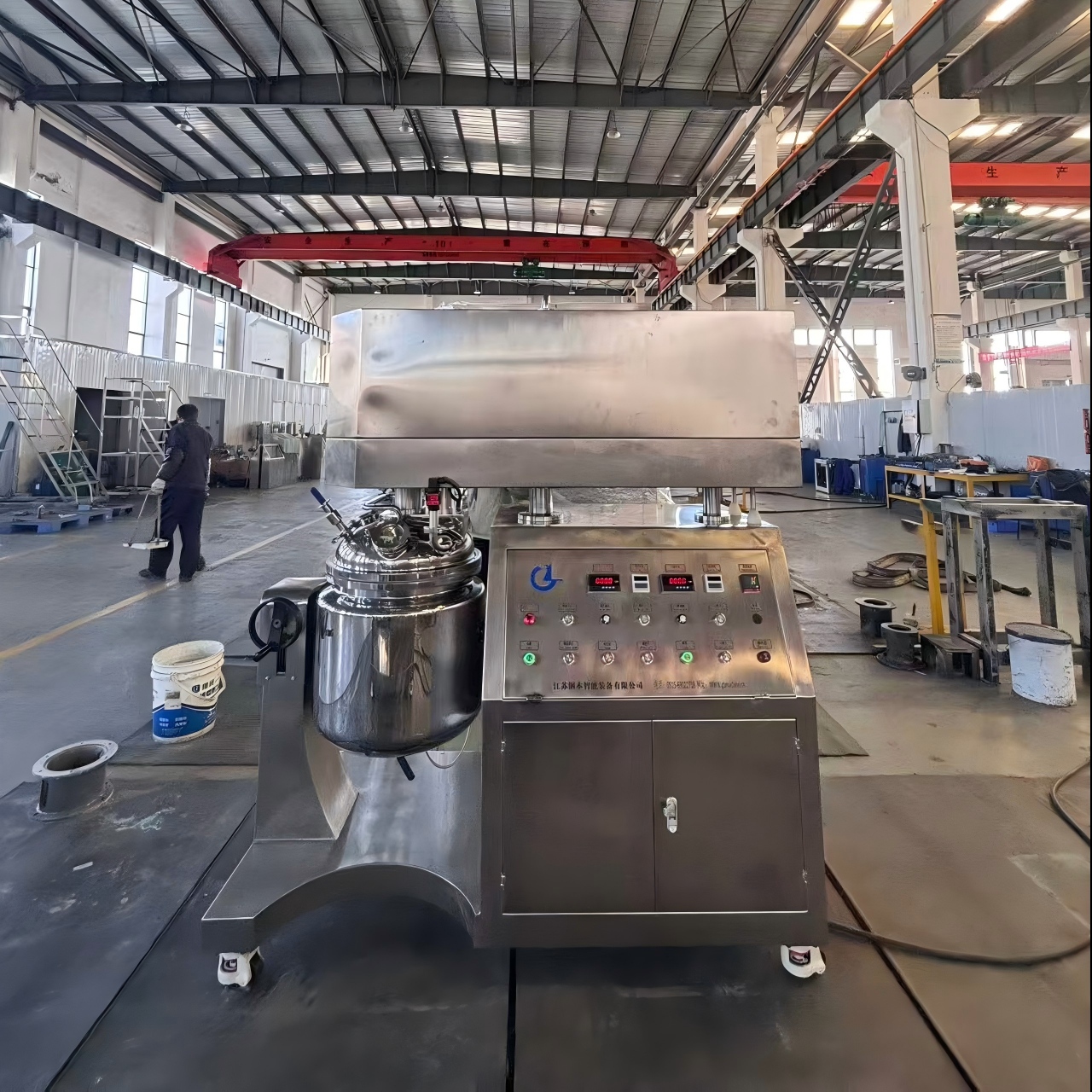
In high-precision manufacturing sectors spanning cosmetics, pharmaceuticals, food processing and advanced fine chemicals, production efficiency has long been constrained by the bottlenecks of traditional mixing processes. For decades, manufacturers have struggled with extended batch cycles, repeated processing steps and inconsistent material dispersion that drag down overall output. Today, the vacuum homogenizer mixer stands out as a transformative solution, redefining production benchmarks by cutting total processing time by 70% without compromising product quality. This leap in performance stems from a synergistic combination of high-shear mechanical design, vacuum environment control and integrated workflow optimization, which addresses the long-standing inefficiencies of conventional mixing systems at their very root.
The Hidden Time Drains in Traditional Mixing Workflows
To fully grasp the value of the vacuum homogenizer mixer, it is critical to first identify the layered time losses embedded in traditional open mixing processes. In conventional setups, production is split into multiple disconnected stages: separate heating of oil and water phases, manual material transfer between tanks, low-speed stirring that takes hours to achieve preliminary blending, extended defoaming periods after mixing, and long post-production cleaning cycles. For many high-viscosity formulations, such as pharmaceutical ointments, premium skincare creams or specialized food spreads, a single batch can take 4 to 6 hours to complete, with nearly 40% of that time wasted on non-value-added steps.
Traditional low-shear agitators rely on slow, tumbling motion to blend materials, which cannot break down agglomerates of fine powders quickly. Operators often have to extend stirring time by 2 to 3 hours, or even run repeated mixing cycles, just to reach the required particle fineness. Worse still, open mixing introduces massive amounts of air into the material, creating dense, stubborn foams that can take 1 to 2 hours of natural settling to eliminate. These foams not only delay the next production step, but also often lead to inconsistent product texture, forcing manufacturers to rework entire batches and adding even more unplanned downtime. The fragmented layout of separate processing tanks also means hours are wasted on material transfer, pipeline purging and manual inspection between each stage, making it nearly impossible for traditional lines to keep up with growing market demand for faster turnaround.
Core Technical Innovations That Unlock 70% Processing Time Reduction
The vacuum homogenizer mixer achieves its dramatic time-saving performance through three interconnected technical breakthroughs that reimagine every stage of the mixing process. First, its integrated high-shear homogenization rotor-stator system delivers extreme mechanical force at ultra-high speeds, generating hundreds of thousands of precise shearing, impact and turbulence events per minute within a narrow working gap. Unlike slow conventional stirrers, this design can break down solid agglomerates, disperse immiscible phases and refine particles to sub-micron levels in a single pass, eliminating the need for hours of extended stirring or repeated mixing cycles. A task that used to take 3 hours of low-speed stirring can now be completed in less than 30 minutes.
The second key innovation is the synchronized vacuum operation built directly into the mixing chamber. As soon as the mixing cycle starts, the system pulls a controlled vacuum inside the sealed tank, which prevents air from being drawn into the material from the very beginning. This eliminates foam formation entirely, removing the 1 to 2 hours of post-mixing defoaming waiting time that was mandatory in traditional processes. Even for formulations that are highly prone to foaming, there is no need for extra settling time, and the batch can move directly to the next processing step the moment mixing is complete. The sealed vacuum environment also allows for faster and more uniform heat transfer during heating and cooling stages, cutting temperature adjustment time by more than half compared to open, exposed mixing tanks.
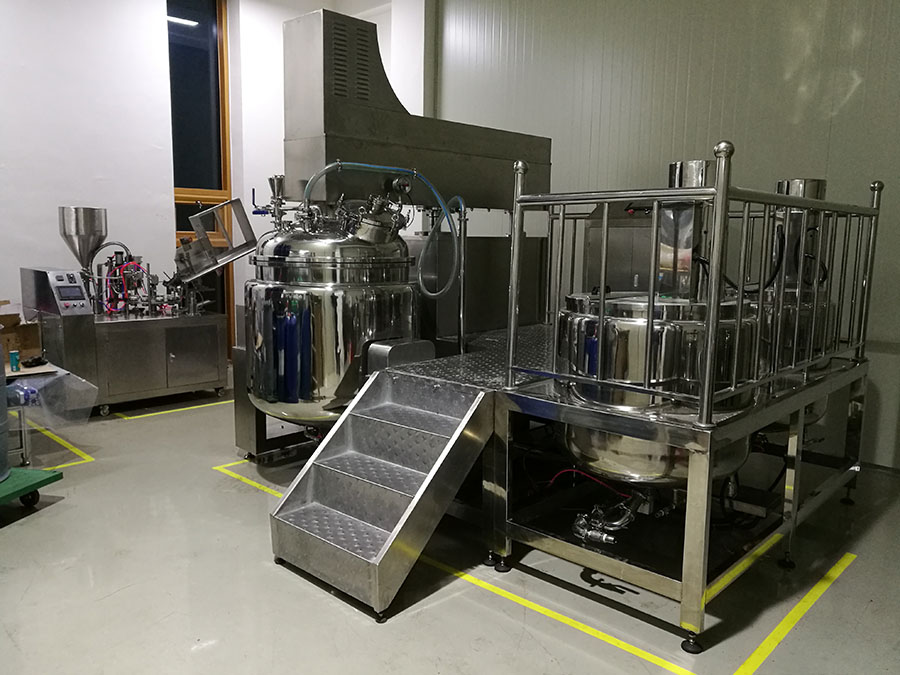
The third critical upgrade is the fully integrated one-chamber workflow design. Unlike traditional lines that require materials to be moved between separate oil phase tanks, water phase tanks, mixing tanks and defoaming tanks, the vacuum homogenizer mixer completes raw material feeding, heating, homogenization, emulsification and degassing all within the same sealed vessel. Raw materials are pulled into the chamber directly via vacuum suction, removing the time wasted on manual material transfer and intermediate pipeline processing. This eliminates nearly all the non-value-added downtime between separate production stages, streamlining the entire batch workflow into one continuous, automated sequence.
Real-World Production Impact and Long-Term Operational Value
When these three innovations work in tandem, the vacuum homogenizer mixer delivers a consistent 70% reduction in total processing time across most standard formulations. A batch that previously took 5 hours from feeding to finished, de-aerated product can now be finished in just 1.5 hours, without any drop in product quality. In fact, the uniform sub-micron particle distribution achieved by the high-shear system often improves product stability, texture and shelf life far beyond what traditional mixing methods can produce. For manufacturers running multiple batches per day, this time reduction translates directly to a 2 to 3x increase in daily production capacity, without the need to expand factory floor space or add extra production lines.
Beyond the direct speed gains, the system also cuts down on indirect time losses across the entire production operation. The integrated sealed design reduces post-production cleaning time by more than 60%, as there are no disconnected pipelines or separate intermediate tanks that need individual flushing. The consistent, repeatable mixing performance eliminates the need for manual quality checks mid-batch, and the closed system reduces the risk of batch failure caused by air contamination, cutting down on rework time that used to eat into production schedules. Over months of continuous operation, these accumulated time savings allow manufacturers to respond far faster to market order changes, reduce work-in-progress inventory, and achieve significantly higher overall equipment efficiency.
This level of production revolution is not just about speeding up a single process step. The vacuum homogenizer mixer redefines what is possible for modern mixing manufacturing, proving that it is possible to achieve far higher throughput, better product consistency and lower operational costs all at the same time. As industries continue to push for more efficient, flexible production models, this technology is rapidly becoming the new standard for high-precision material processing, rewriting the traditional rules of batch mixing that have stood for decades.
News
- Latest News
- Solutions
- FAQ
Recommend Products
-
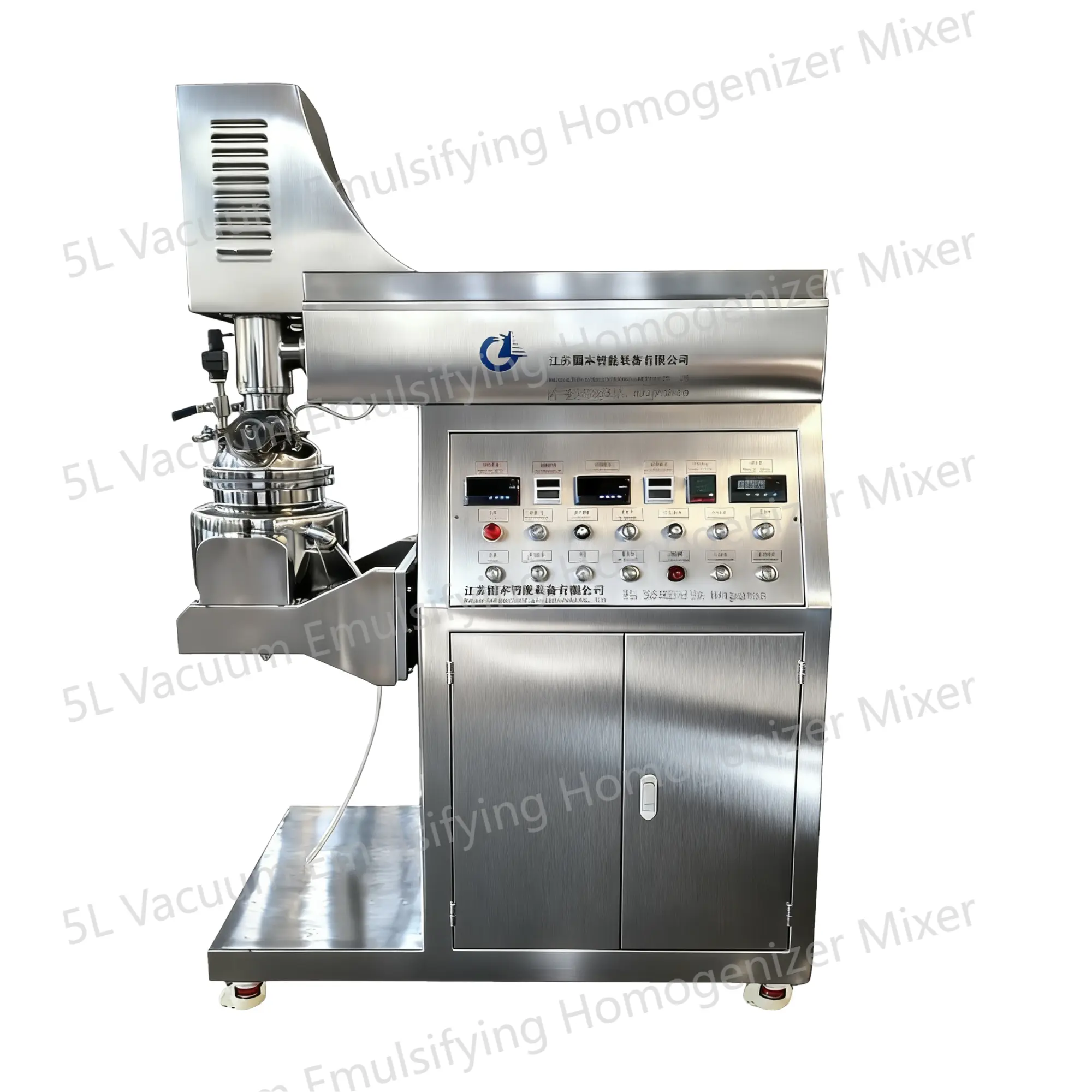 5L Vacuum Emulsifying Homogenizer Mixer
The 5L vacuum emulsifying mixer is a device designed for emulsifying and mixing various substances in a vacuum environment. This equipment is equipped with a mixing tank with a capacity of 5 liters and is widely applied in industries such as food, pharmaceuticals, cosmetics, and pesticides.
-
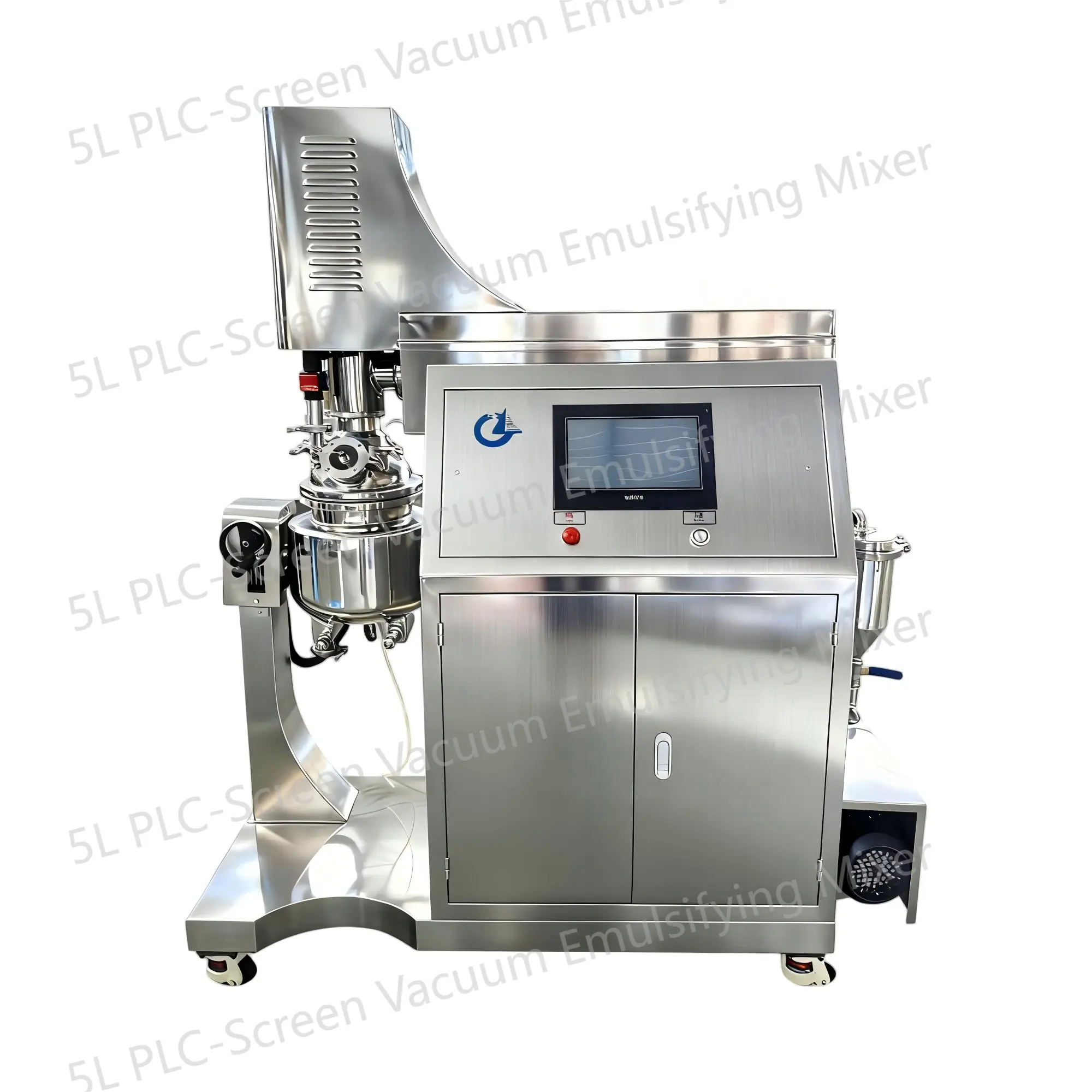 5L PLC-Screen Vacuum Emulsifying Mixer
The 5L PLC-Screen Vacuum Emulsifying Mixer is a device designed for emulsifying and mixing various substances in a vacuum environment. This equipment is equipped with a mixing tank with a capacity of 5 liters and is widely applied in industries such as food, pharmaceuticals, cosmetics, and pesticides.
-
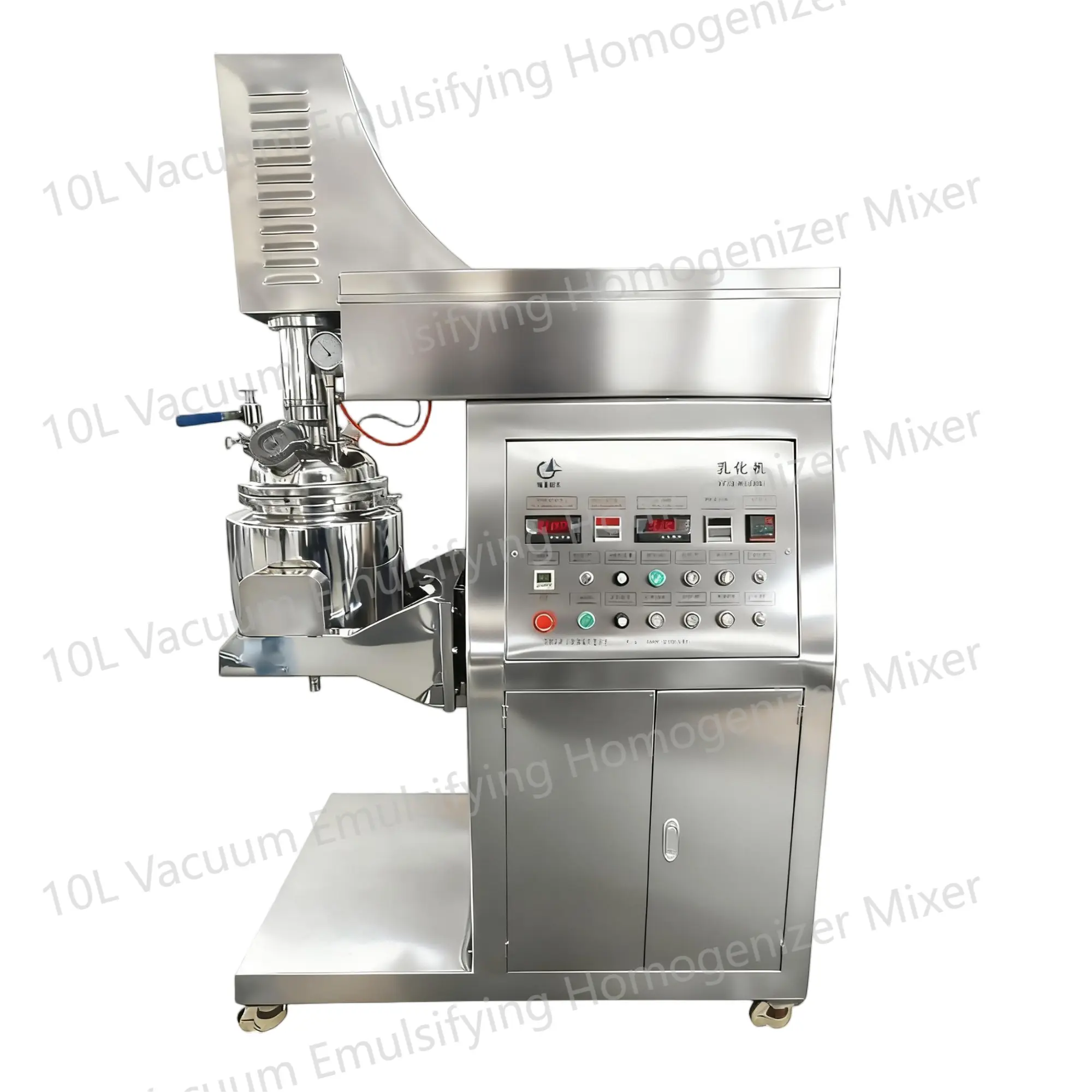 10L Vacuum Emulsifying Homogenizer Mixer
The 10L Vacuum Emulsifying Mixer is a device used for emulsifying and mixing various substances in a vacuum environment. It is commonly used in industries such as food, cosmetics, and pharmaceuticals.